Scientists reveal they may have discovered what’s causing the unexplained rise in cancer cases
Scientists believe they may have uncovered an important clue behind the unexplained rise in cancer cases worldwide. A new study from California suggests that everyday exposure to microplastics could be contributing to the increase.
Cancer diagnoses in the U.S. reached about two million cases in 2024. Many of these cancers could not be linked to genetics, diet, or lifestyle. This left experts searching for another cause.
The new research, published in Environmental Science & Technology, points to microplastics as a possible factor. According to the team, these tiny particles may harm the colon and small intestine. They may also trigger long-term inflammation and weaken the immune system — both of which can raise cancer risk.
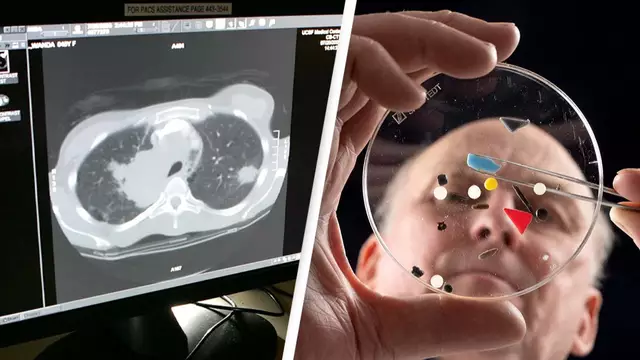
Researchers found that microplastics can affect fertility, lower sperm count, and impact the ovaries and placenta. When inhaled, they may irritate the airways and increase the chance of lung cancer.
Microplastics are now found almost everywhere: in the air, oceans, rivers, soil, and food. They have even been detected in human placenta, breast milk, and blood. Because they are so small, they move easily through the body.
Lead researcher Professor Tracey Woodruff explained, “Microplastics act like air pollution particles, and we already know those are harmful.”
With global plastic production expected to more than double by 2050, scientists say it is time for action. Study author Nicholas Chartres urged policymakers to address the growing evidence linking microplastics to colon and lung cancer.