Lives ‘put at risk’ by surge in demand for butter – as Gen Z turn away from low-fat marg for more ‘natural’ spread
A growing shift back to traditional butter may feel comforting, yet experts warn it could carry serious health risks. In recent months, Waitrose reported a marked rise in block-butter sales. Butter now outpaces popular low-fat spreads by more than 20 percent. Many shoppers say they want to avoid ultra-processed foods and worry about additives found in some margarines. Moreover, public concerns about seed oils, often used in spreads, have intensified after high-profile critics claimed these oils harm health.
However, nutrition researchers urge caution before abandoning spreads altogether. Professor Sarah Berry of King’s College London, who also serves as chief scientist for the nutrition app Zoe, notes that scientific evidence paints a different picture.
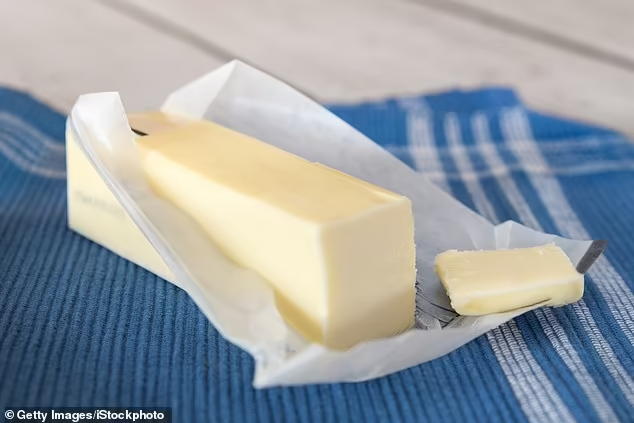
She explains that many people assume butter is healthier because it seems more “natural.” Yet, she adds, this idea does not hold up under closer examination. For example, lard is also natural, but few would recommend eating it every day.
Heart disease remains a leading cause of death in the UK, claiming about 175,000 lives each year. High cholesterol plays a major role in this trend. Studies show that replacing butter with blended spreads, which contain vegetable or seed oils, can reduce cholesterol levels and lower the risk of heart attacks.

Despite this, online voices continue to cast doubt on spreads. Some influencers argue that vegetable oils lack nutrients or increase hunger. But Professor Berry stresses that these fears are not supported by research. In fact, she says, choosing a typical vegetable-oil spread over butter consistently improves heart health.