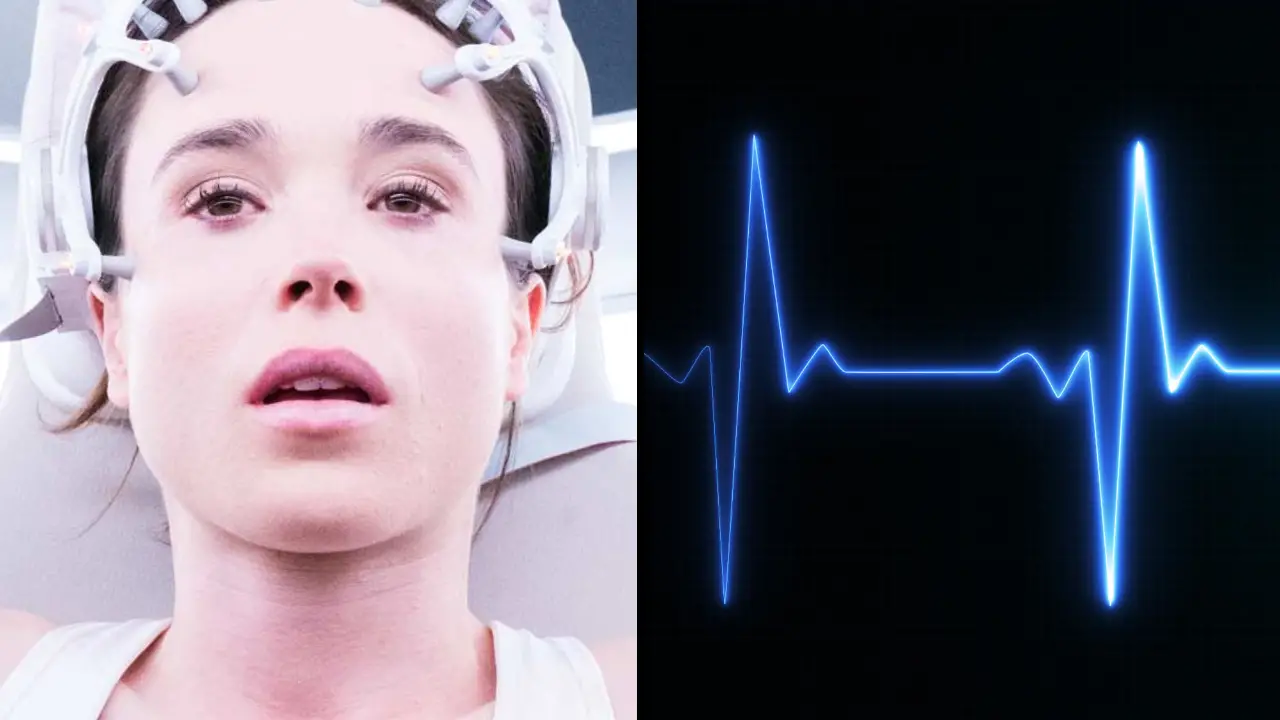
First Recording Of Moment Someone Dies Reveals What Your Last Thoughts May Be
A remarkable scientific case has offered a rare glimpse into what the mind may experience in its final moments. For generations, people have wondered whether we see cherished memories, feel a sense of peace, or simply fade into silence. Now, researchers have taken one small but significant step toward understanding this mystery.
The breakthrough came from an unexpected situation. An 87-year-old man with epilepsy underwent an EEG test to monitor his brain activity. However, during the procedure, he suffered a fatal heart attack. This allowed scientists to observe his brain function in the minutes before and after his heart stopped.
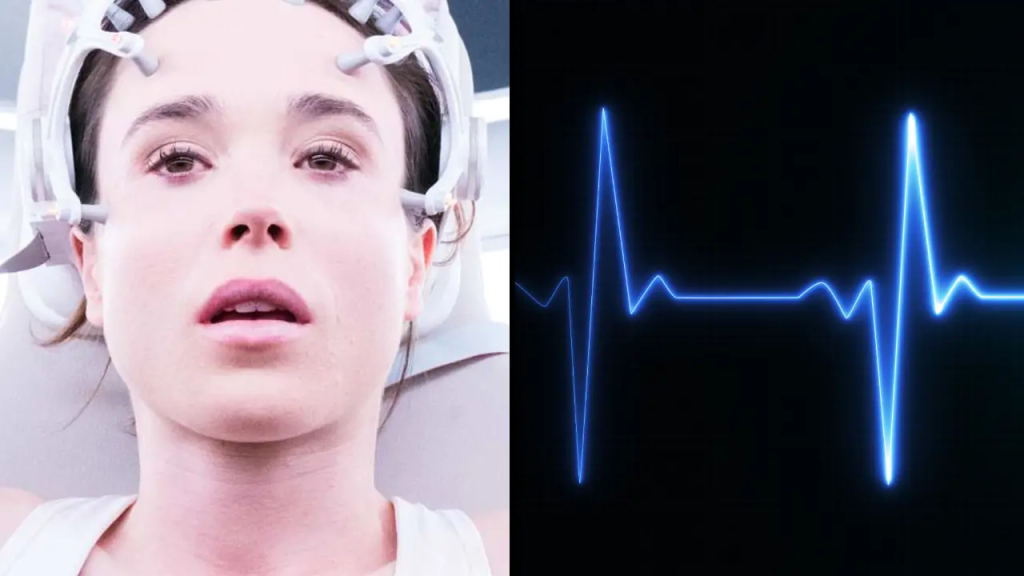
Moreover, they noticed a surge in gamma waves, a type of brain activity often linked to memory recall. This pattern led researchers to suggest that the brain may replay meaningful life events at the end, much like the “life flashing before your eyes” reported by people who have survived near-death experiences.
Dr. Ajmal Zemmar, who led the study, explained that this finding challenges traditional ideas about the moment death actually occurs. It may also influence future discussions around organ donation, since the brain appears active longer than once believed.
However, experts urge caution. The data come from only one patient, and his neurological condition could have shaped the results. Therefore, much more research is needed before drawing firm conclusions.
Even so, the study opens an intriguing door. It suggests that the final seconds of life may hold more richness and reflection than we ever understood—offering, perhaps, a small measure of comfort as we consider one of life’s greatest unknowns.