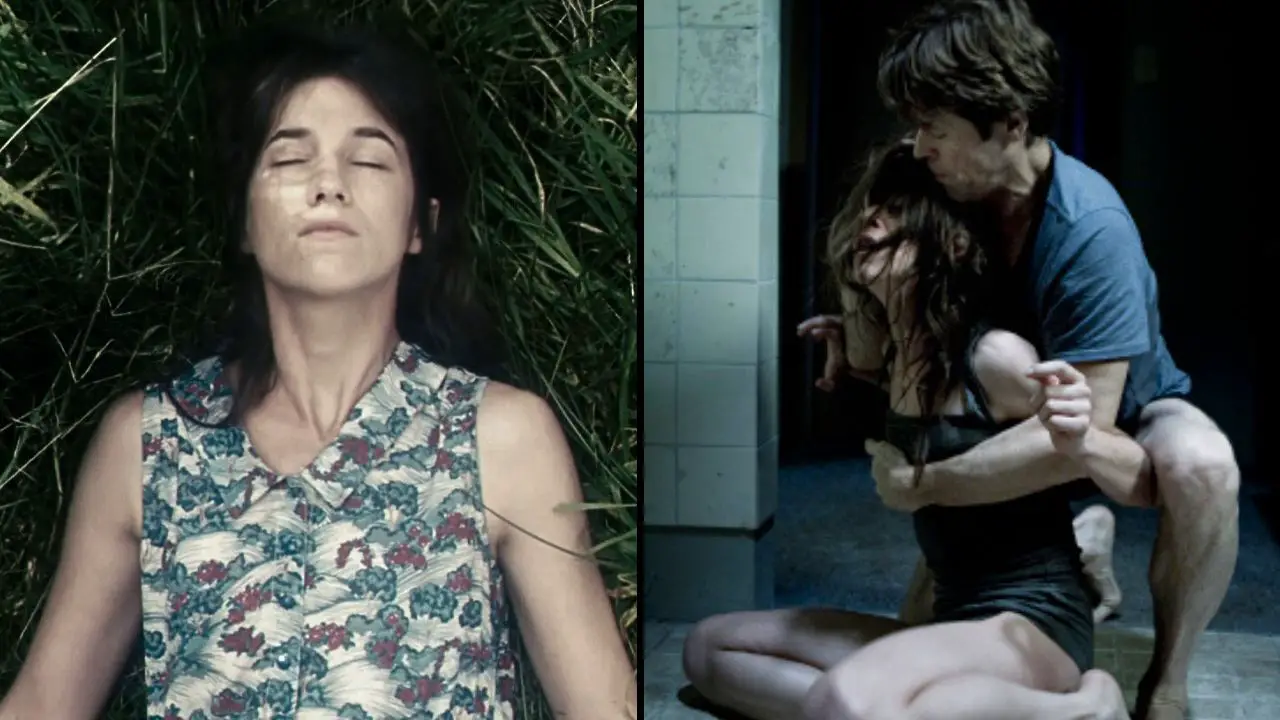
Viewers Left Horrified By ‘Most Disturbing’ Movie With Real-Life S** Scene
Some films aim to scare you. Others aim to unsettle you long after the credits roll. For many viewers, Lars von Trier’s 2009 horror drama Antichrist falls firmly into the second category.
The story follows a married couple, played by Willem Dafoe and Charlotte Gainsbourg, after the death of their young child. First, they retreat to a remote cabin to grieve. Then the isolation begins to warp their minds. Tension rises. Strange visions appear. And the relationship turns dark in ways many people find hard to watch.
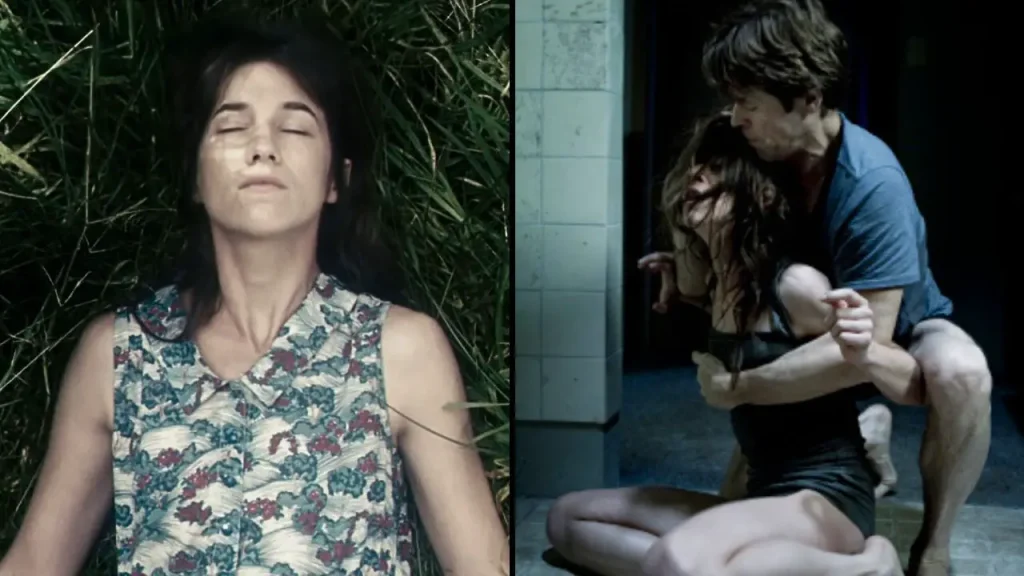
What keeps Antichrist in conversations is not only its heavy themes. It is also its explicit content. The film includes scenes classified as real, unsimulated sex, and it features graphic violence, including genital mutilation. As a result, the film sparked walkouts at Cannes, divided critics, and attracted sharp accusations of misogyny.
Later, the film’s rating and release also drew attention. France briefly restricted it after legal action, and censors in several countries treated it as adults-only viewing.
Even so, some audiences defend it as fearless art. They praise its raw depiction of grief and its surreal symbolism.
Ultimately, Antichrist asks a simple question before you press play: do you want a horror film that shocks you in the moment, or one that sits in your stomach for days?