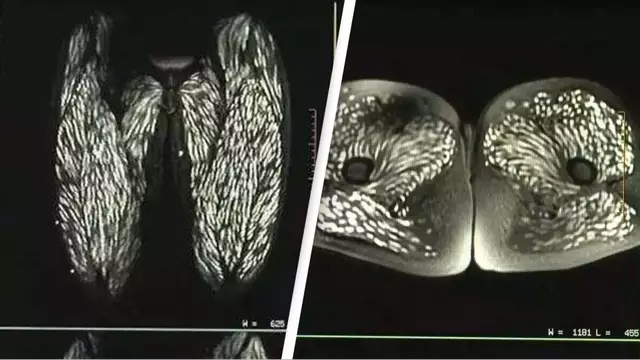
Horrifying scans show parasite-infested body of woman who’d been eating raw pork for 10 years
In 2016, a 23-year-old woman from China, identified only as “Tingting,” walked into care with a troubling mix of symptoms. First came headaches. Then pain settled into her thighs and even her eyes. Doctors ordered MRI and CT scans. What they saw alarmed them.
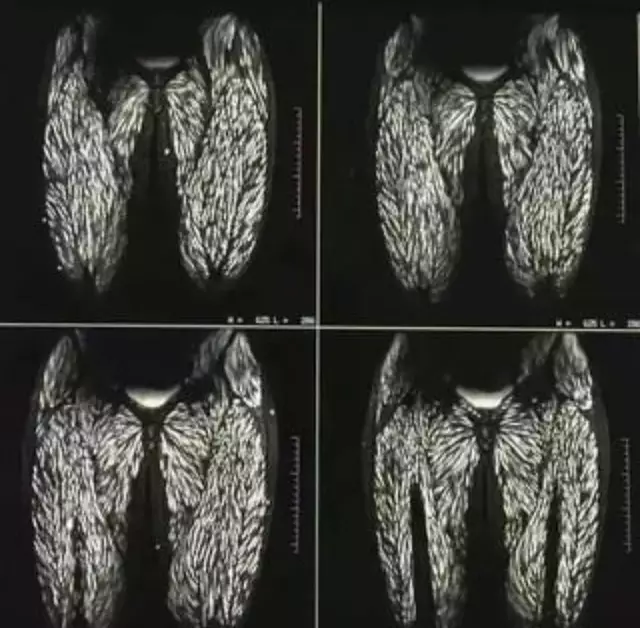
The images suggested cysticercosis, a serious infection that develops when a person swallows tapeworm eggs. Instead of staying in one place, the parasites can travel through the body. In Tingting’s case, doctors believed they had spread into her back muscles, abdomen, eyes, and brain.
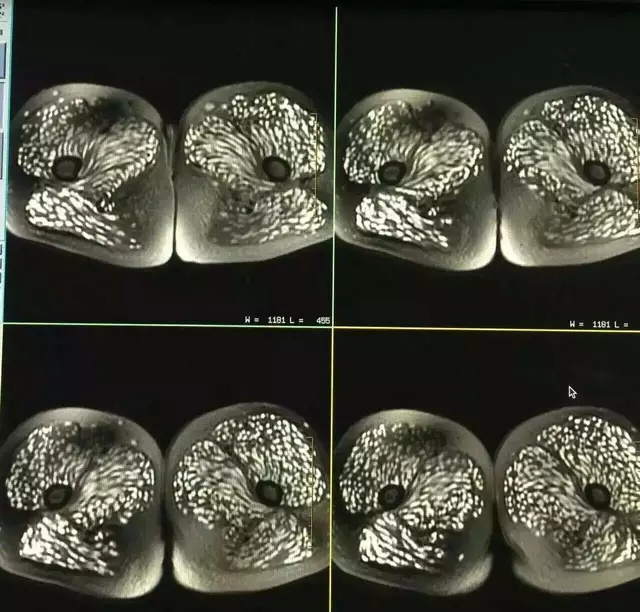
Soon, her family history offered a clue. On days the family slaughtered a pig, they often ate the meat raw. Tingting had kept that tradition for years, starting in her teens. Her brother also received testing, but he did not show infection.
Doctors warned that the brain suffers the most in cases like this. Patients can experience seizures, vision problems, and lasting damage to the nervous system. Because treatment kills the parasites, care teams often move carefully. They may use small, controlled doses of anti-parasitic medicine to reduce severe inflammation or allergic reactions as the organisms die.
Her later condition remains unclear. However, the lesson stands out. Cook pork thoroughly. Wash hands well. Clean produce. And use safe drinking water, especially when local tap water poses risks.