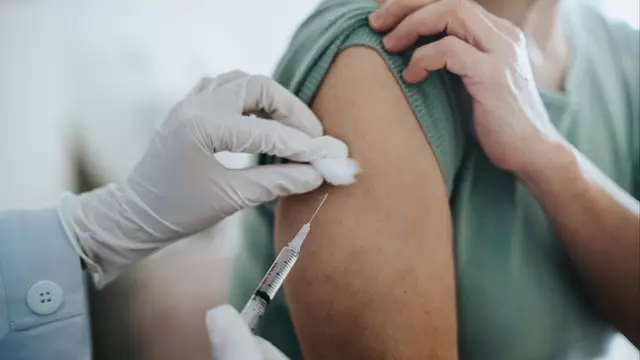
Real risk from Covid vaccine after study revealed outcome for people who took the jab
Six years after Covid upended daily life, the mRNA vaccines still sit at the center of a complicated truth. They saved lives. Yet they also carry a rare risk that researchers keep working to explain.
A new Stanford Medicine study focused on vaccine-associated myocarditis, an inflammation of the heart muscle that appears most often in adolescent boys and young men. The team estimated about 1 case per 140,000 people after a first dose and about 1 per 32,000 after a second dose. Symptoms can arrive quickly. People may notice chest pain, shortness of breath, or a racing heartbeat within a few days.

However, the researchers also offered reassurance. Most patients recover with observation and supportive care, because this is not a classic heart attack with blocked arteries. At the same time, doctors continue to stress that Covid infection itself can also trigger myocarditis.
So what did Stanford add? The study pointed to two immune signals—CXCL10 and interferon-gamma—that can surge after vaccination in a small subset of people. That finding may help clinicians predict risk and, eventually, reduce it.
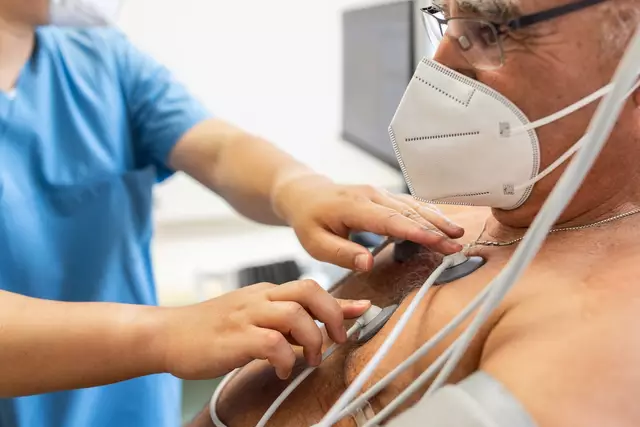
Meanwhile, public debate keeps swirling, including reports about possible stronger FDA warnings. For now, the safest path stays practical: if anyone feels chest pain after a shot, they should seek medical care promptly.