School Forced To Apologize To Dad Over ‘Disgusting’ Gift His Six-Year-Old Made In Class
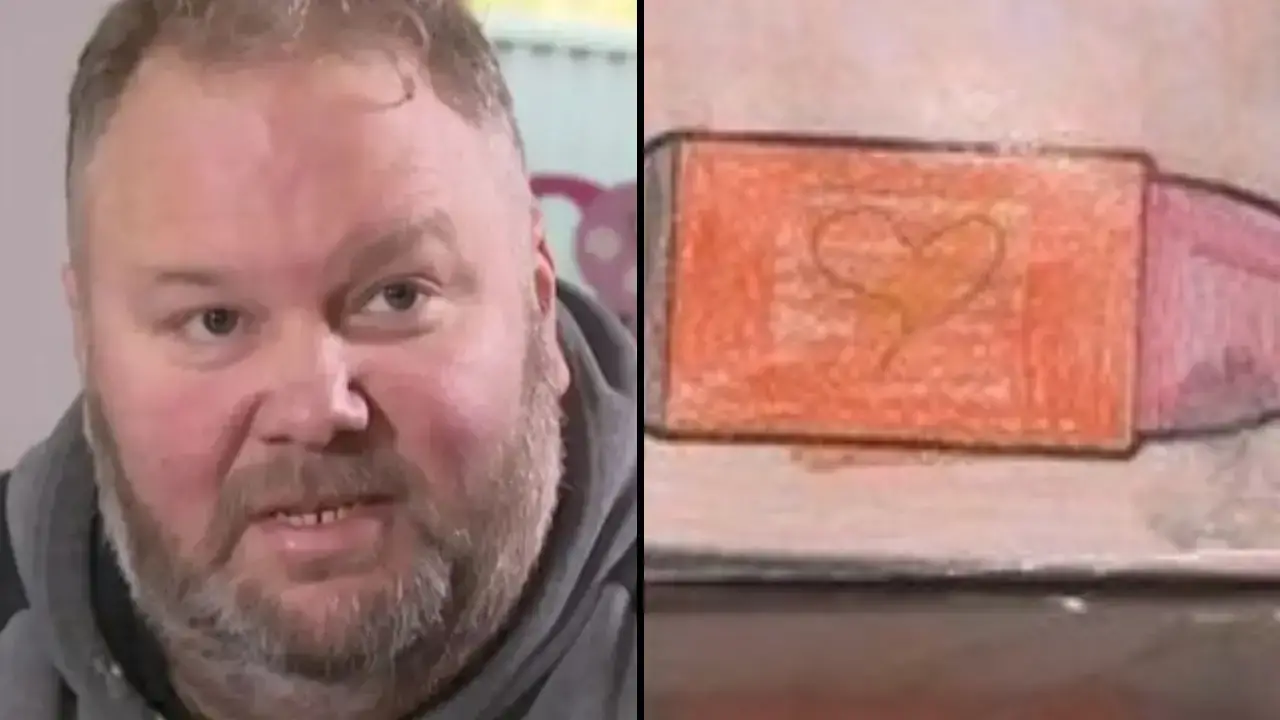
A simple classroom project meant to cheer up a parent turned into a painful surprise for one family. A father in Perth was upset after his six-year-old brought home a gift that included language linked to self-harm.
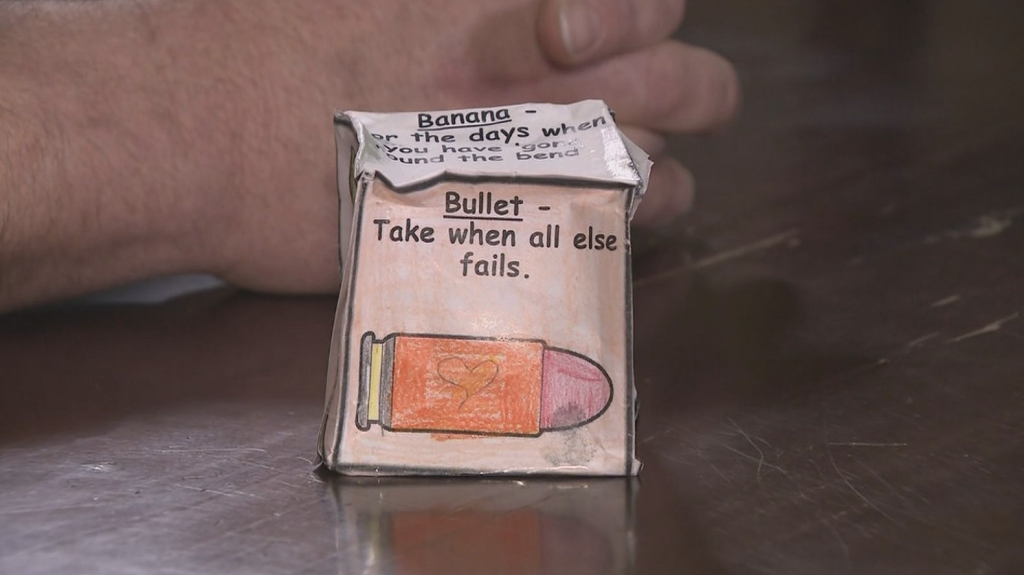
The present was a printed “activity dice,” with each side suggesting something to use or do on a rough day. Some messages were harmless and silly. But one side included wording that the father felt could be read as encouraging suicide. His wife said a teacher later described it as a joke, but the family did not see it that way.
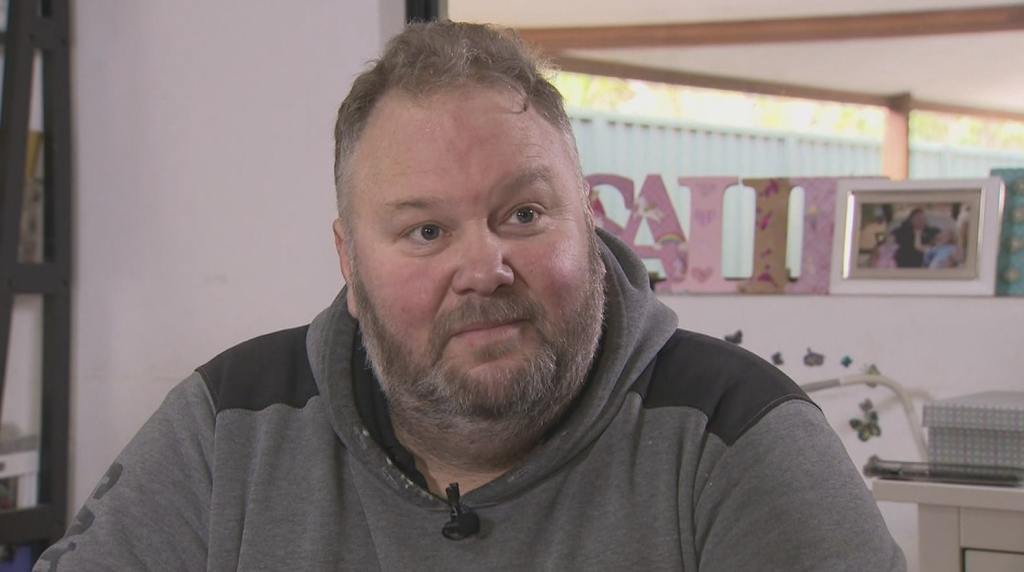
The family complained, saying the message was inappropriate for young children and could be triggering for adults, especially those touched by suicide. A psychologist also warned that children often take words literally and may not understand the emotional weight behind them.

Education officials agreed the activity showed poor judgment. The school apologized and said it would not repeat the project.
The incident raised a wider point: schools need careful review of materials, especially when sensitive topics can appear in a “fun” format. Even one line can cause real harm when it reaches a child’s hands and a parent’s home.
How should schools check classroom activities to prevent messages like this from slipping through?