The Latest Version Of Celebrity Thinness Isn’t Just Annoying, It’s Dangerous. I Should Know.
Watching Ariana Grande and Cynthia Erivo promote “Wicked,” I feel a mix of fear and anger—not at them, but at the extreme thinness they symbolize. This aesthetic is being glamorized just as weight-loss drugs like Ozempic and Wegovy become widely accessible, leading people to chase a “shrinking” ideal regardless of medical need.
This shift undermines the progress of the body positivity movement, implying once again that thinner is always better. For me, the danger is personal. Growing up in the 1980s, my mother equated thinness with worth, a message reinforced when a high school classmate expressed horror at my weight of 130 pounds.
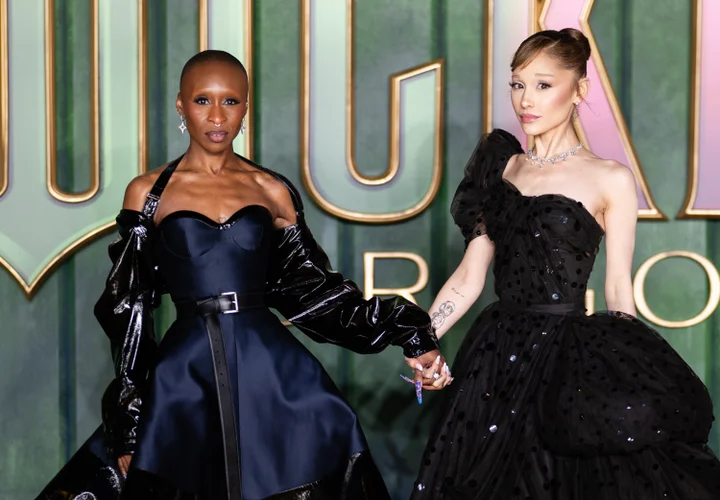
Feeling unworthy, I induced vomiting at age 15, initiating a secret, 30-year struggle with bulimia. I spent decades trapped in a cycle of binging and purging, hiding behind locked doors while self-loathing consumed me.
Today, this “thinness cult” permeates social media and classrooms, coinciding with a dramatic spike in eating disorders among young girls. This trend feeds a $450 billion beauty industry and a $163 billion weight-loss market that thrive on insecurity. Millions of women like me thought we had won the battle for body acceptance, but we must now demand a culture that refuses to frame weight loss as a moral victory.