My Mom Canceled Christmas And Invented A New Holiday. We Doubted Her At First — But Now It’s Our Favorite Day
Ten years ago, Amy McHugh’s mother announced the family would stop celebrating Christmas and replace it with “Seagull Day.” Her brother immediately questioned it: “Does anyone else think this is kind of crazy?”
The new tradition took place the day after Christmas on a Cape Cod beach. The family brought a bare branch to use as a “tree” and decorated it with stale pantry food. McHugh’s mother explained the plan: “We are going to decorate a tree with stale food from the cabinet and leave it for the seagulls to eat.”
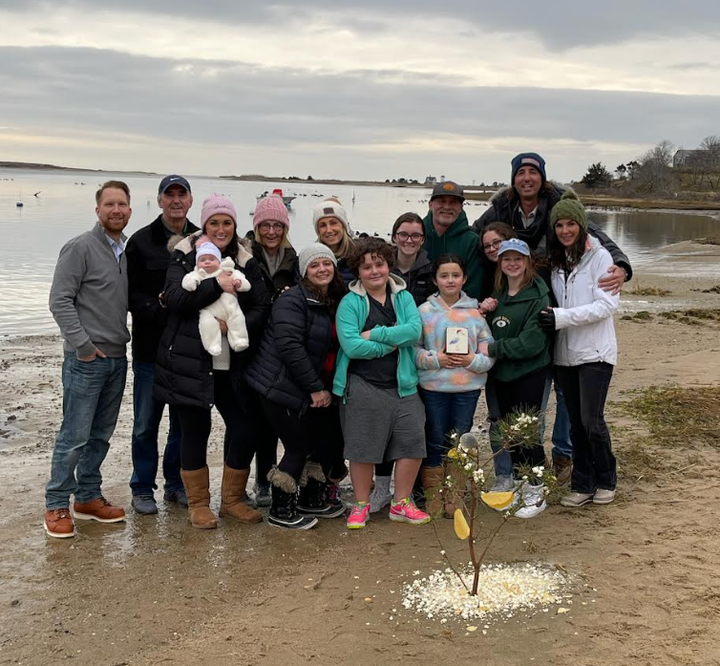
The change followed years of stressful holiday gatherings that had grown tense as the siblings started families of their own and shifted their Christmas get-together to Dec. 26. Before the first Seagull Day, McHugh’s mother set new rules: “Oh, and don’t bring gifts. Or expect gifts.”
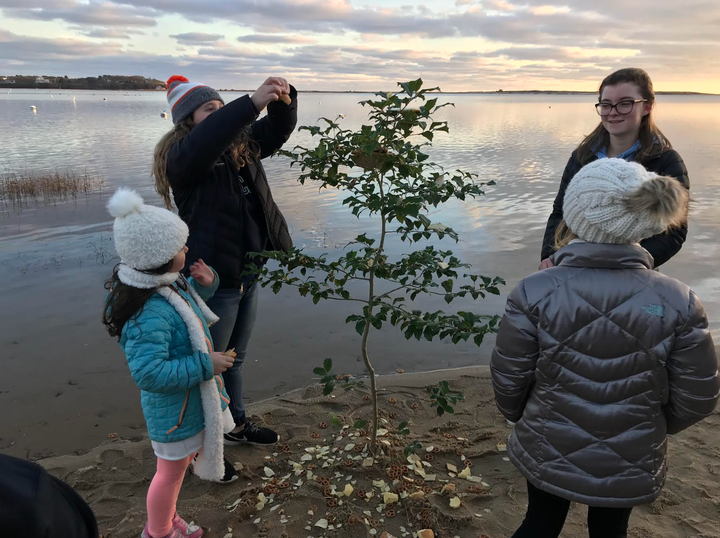
Despite initial discomfort, the day unfolded differently. The family trudged to the beach in cold weather, placed the branch in the sand, and let the kids arrange crackers and pretzels like ornaments. Instead of arguing, the siblings laughed, surprised by the calmer mood.
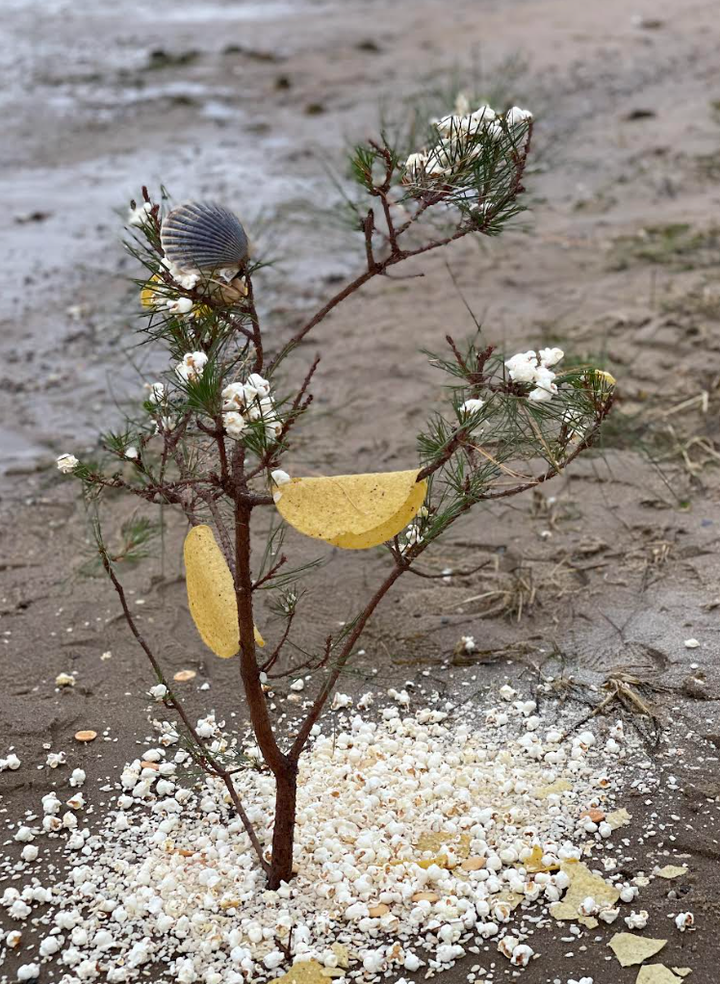
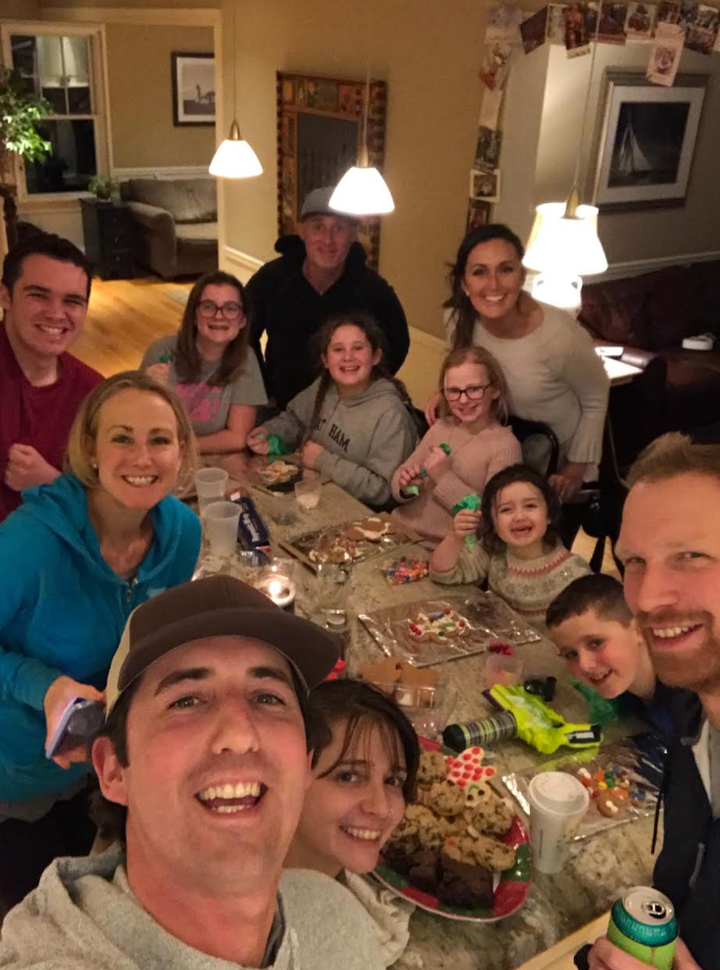
Back at the house, they ate simple food, decorated gingerbread men, and exchanged small presents. Later, the branch was taken down, and it was bare—every scrap of food gone. Over time, Seagull Day became a lasting tradition, complete with annual photos and family rituals, and it has become their preferred way to gather after Christmas.