I transitioned to become a boy at 17. I believed I’d never want children or change my mind. Then I had a shattering revelation – and now I’m suing the medical professionals who encouraged me
Prisha Mosley, 26, says becoming a mother has brought joy — and a deep sense of loss.
From her home in Big Rapids, Michigan, she describes spending quiet mornings cuddling her six-month-old son. But she says those moments also remind her of permanent changes from a teenage gender transition she now regrets.
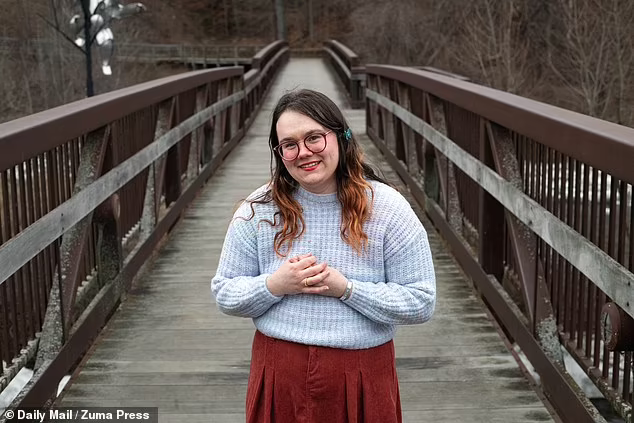
Prisha began transitioning from female to male as a vulnerable teen, after years of mental health struggles and trauma. She says clinicians quickly framed transition as the answer to her distress. By 17, she was taking testosterone, and at 18 she underwent a double mastectomy.
Today, she says her chest is numb and scarred, making close contact difficult — and breastfeeding impossible. “He looks for milk and it’s not there,” she says.

Prisha is now part of a growing group of detransitioners who believe they were pushed into life-altering treatment without fully understanding the long-term impact. She has launched a lawsuit in the US against medical providers, alleging she was fast-tracked into transition; the professionals deny wrongdoing.
Her story comes as the UK debate over treatment for minors intensifies, including the Government’s recent indefinite ban on puberty blockers for under-18s, citing safety concerns.

After stopping testosterone, Prisha returned to living as a woman in 2022 and later became pregnant. She describes a high-risk pregnancy, ongoing chronic health issues, and severe pain after birth linked to earlier surgery.

Despite threats and criticism, she says she’s speaking out to warn other teens that regret is possible — and consequences can be lifelong.