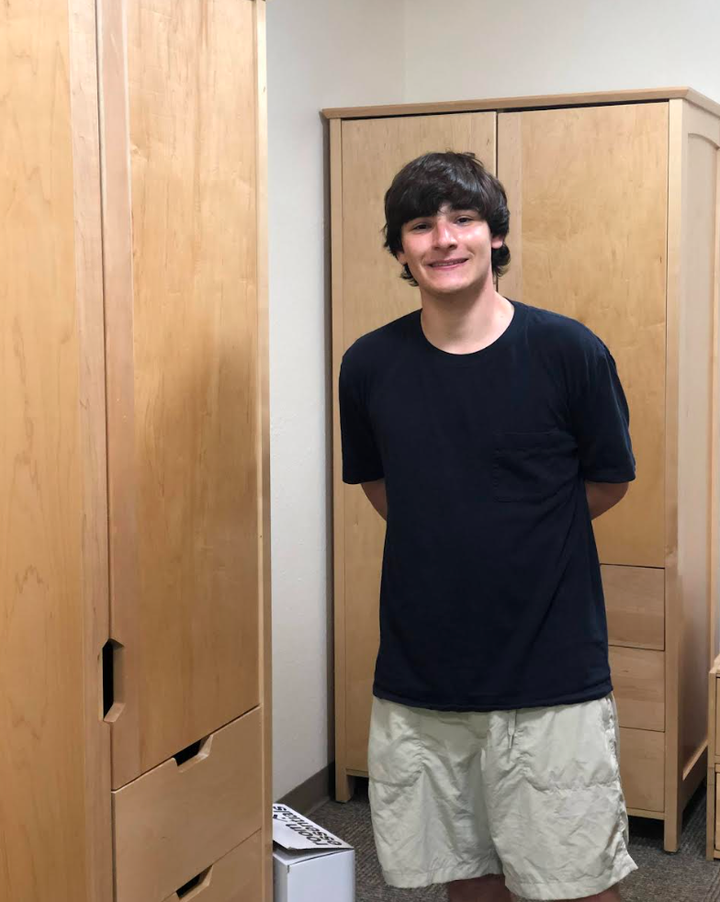
I Hugged My Son Goodbye And He Began His First Week Of College. Then I Never Saw Him Again.
In hindsight, the happiest days are often the ones we don’t recognize. We live them in real time, unaware they’re about to become “before.”
In summer 2022, my husband and I helped our 18-year-old son, Henry, start college. Getting there hadn’t been easy. He’d navigated ADHD and anxiety, and he’d worked hard to find his place. Over time, running, drama, and debate helped him grow into himself. By move-in, he was ready—excited, capable, and proud to be there.
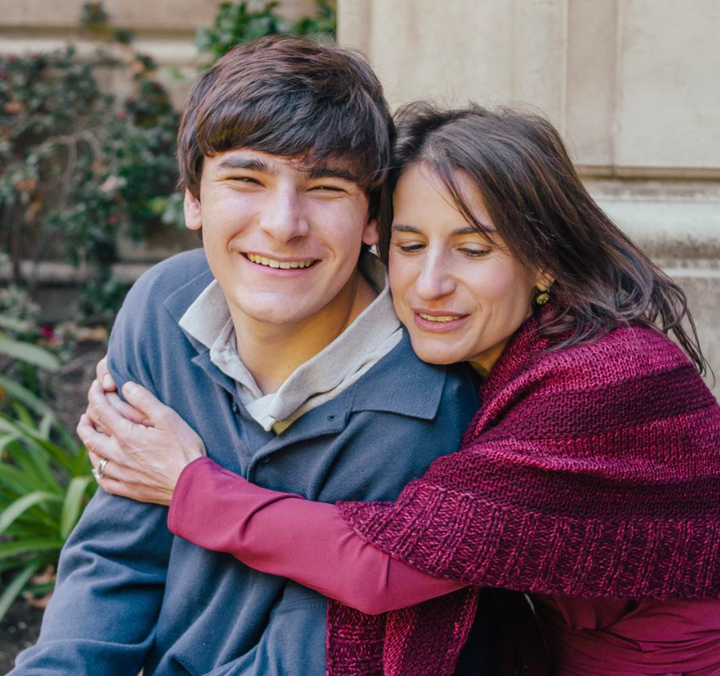
During orientation week, he introduced me to new friends. We ate in the dining hall. I watched him settle in. Then, at the airport goodbye, I held him tight and felt every version of him at once—baby, kid, teenager, and the young man standing in front of me. I left believing the next chapter had begun.
Days later, just after midnight, two police officers came to our door. Henry was dead.
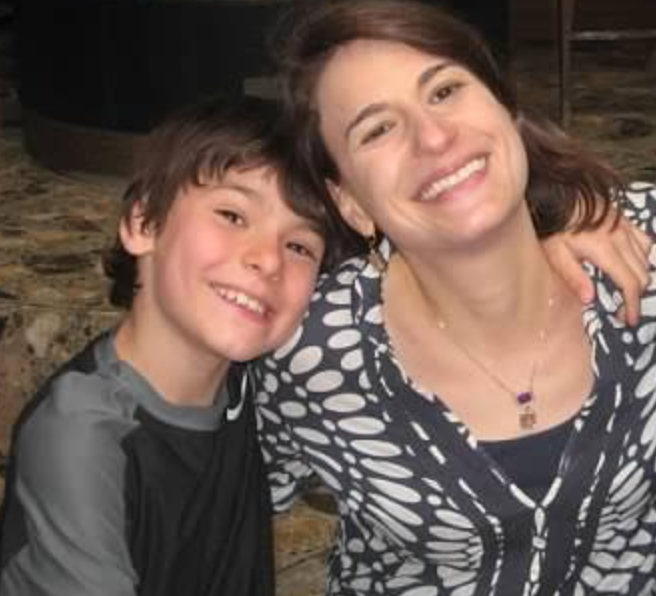
On his first day of classes, he’d been with other students when a nearby structure collapsed. It killed him and injured two others. In a moment, our future was erased.
And yet my mind still reaches for ordinary plans: parents’ weekend, Thanksgiving, mailing winter clothes. I still picture family dinners with both my sons.
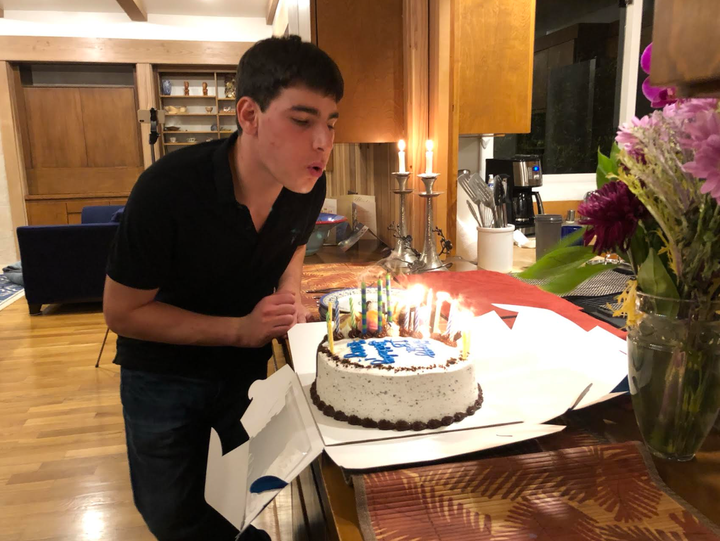
None of that will happen.
Grief isn’t something I “get over.” It’s a constant presence, a low hum beneath every day. What helps most is simple: when people say his death is a catastrophe—and when they speak Henry’s name, so I know he’s not being forgotten.