I’m Black But Look White. Here Are The Horrible Things White People Feel Safe Telling Me.
Last weekend, I was in my front yard gardening when a neighbor I’ve known for decades stopped to say hello. We chatted as I knelt to pet his dogs—until he pointed at my Black Lives Matter sign and made a racist remark about Black people.
I stood up and said, calmly, “You know I’m Black, right?”
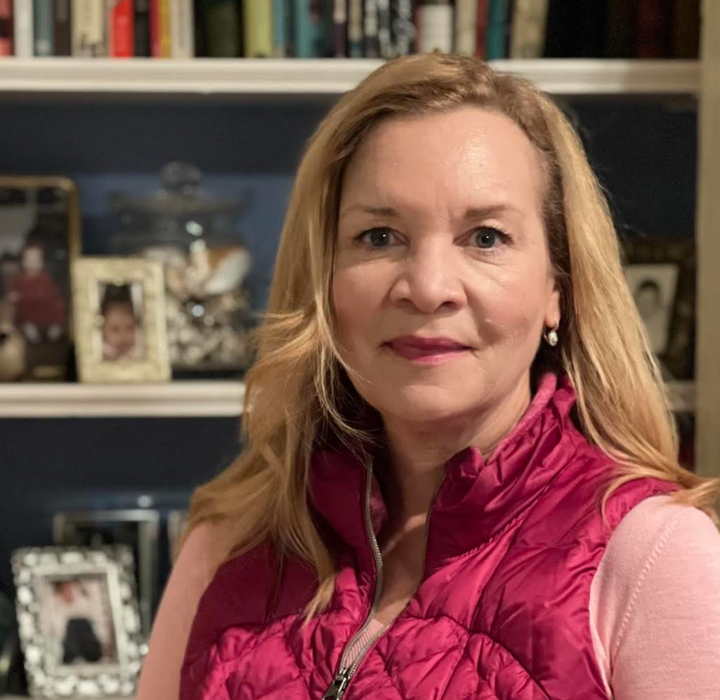
He looked shocked. Like many people, he assumes I’m white because I have light skin, blue eyes, and blond hair. Both of my parents are Black, but our family also has white ancestry—so several relatives, including me, are white-presenting.
That assumption changes how people speak around me. Strangers and acquaintances have felt “safe” sharing ugly opinions—about interracial couples, Black neighborhoods, and stereotypes they’d never say aloud if they thought a Black person was listening. What’s worse is who says it: not just random people, but professionals with real influence—doctors, lawyers, social workers, and community leaders.
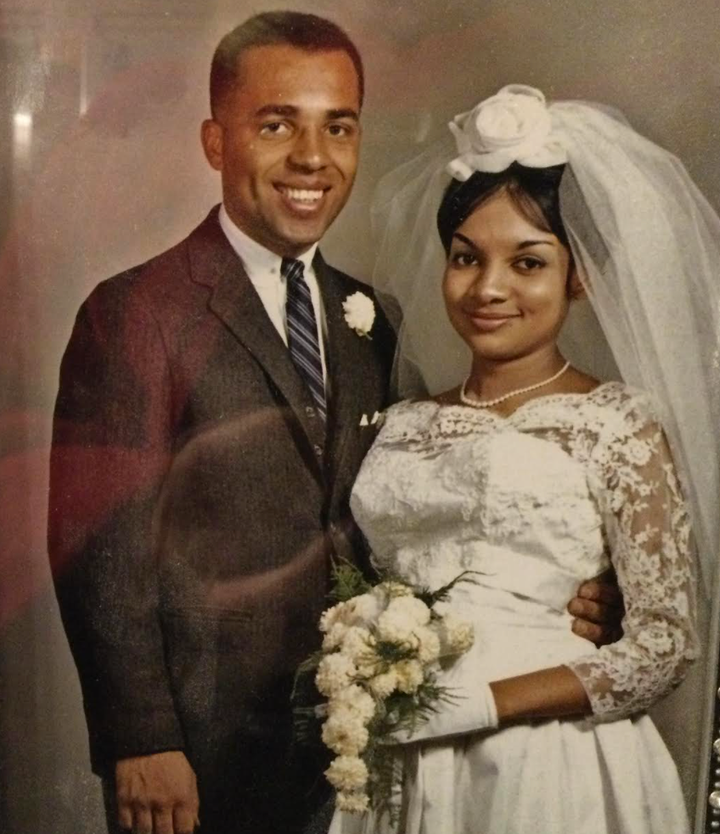
Living this way has shown me how white privilege works in real time. When people think I’m white, they often treat me as more trustworthy by default. I can’t help wondering how quickly that respect would vanish if I looked more visibly Black.
So I speak up. I correct them. I tell my family’s story. And I push back on the idea that racism is rare or “just a joke.”
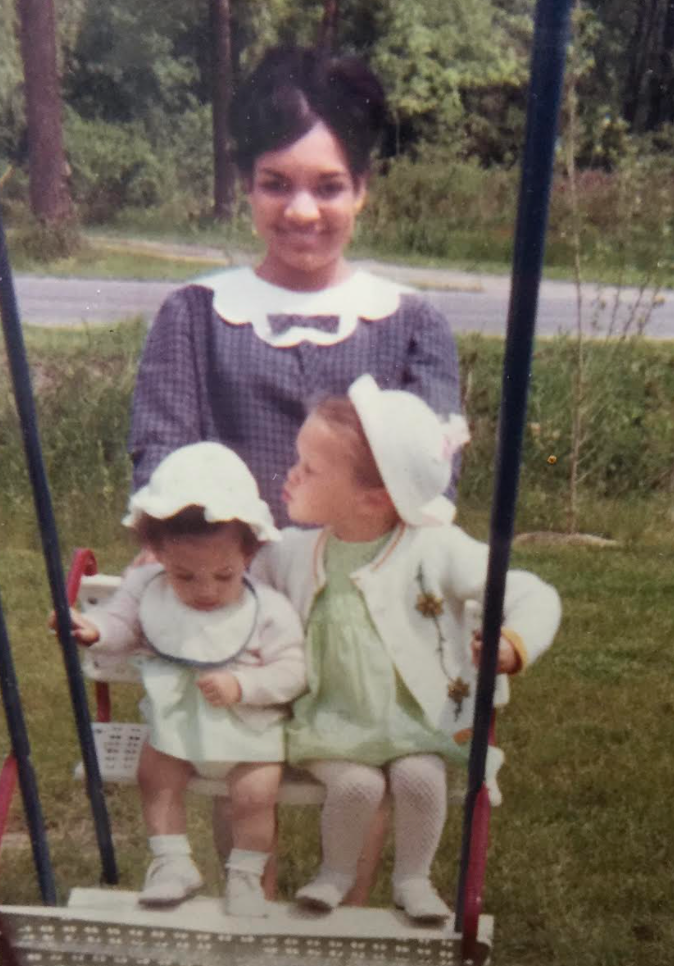
Because it isn’t. And silence only protects the people who benefit from it.