I Was 6 When My Father Decided We’d Sail Around The World. I Would Be Trapped On That Boat For Nearly A Decade.
For years, my parents described my childhood as “lucky.” They said I grew up sailing the world on a beautiful boat.
From the outside, it did look magical. But from the inside, it felt like captivity.
When I was 6, my father announced we were leaving England to sail around the globe. He promised we’d be home before I turned 10. I believed him. I said goodbye to my best friend, my dog, and everything familiar—thinking it was temporary.
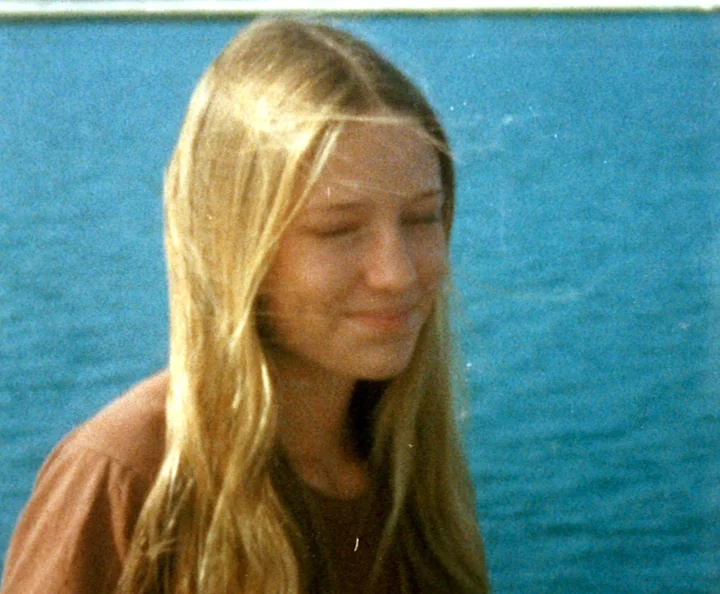
It wasn’t. I didn’t return for nearly a decade.
Most of that time, I lived on the Wavewalker with little schooling, no stable friendships, and almost no access to medical care. On long crossings, food ran low. Water was rationed. The ocean itself was dangerous, and early in the voyage I suffered severe injuries after a massive wave struck the boat.
As I grew older, privacy disappeared. I shared cramped space with my family and rotating crew members. While my brother worked on deck, I was expected to cook and clean below, day after day.
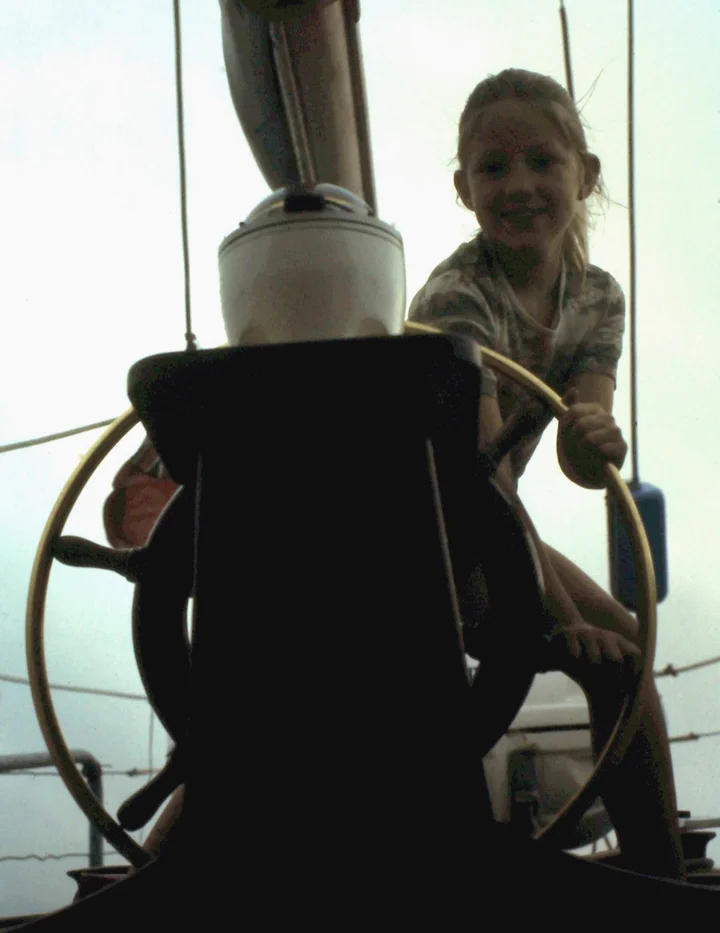
The hardest part was realizing I couldn’t leave. I had no passport, no money, and nowhere to go. Officials boarded our boat in port, but no one asked whether the children were safe.
Education became my only escape. At 13, I finally enrolled in a correspondence program, studying wherever I could—sometimes hidden away to avoid being pulled back into work.
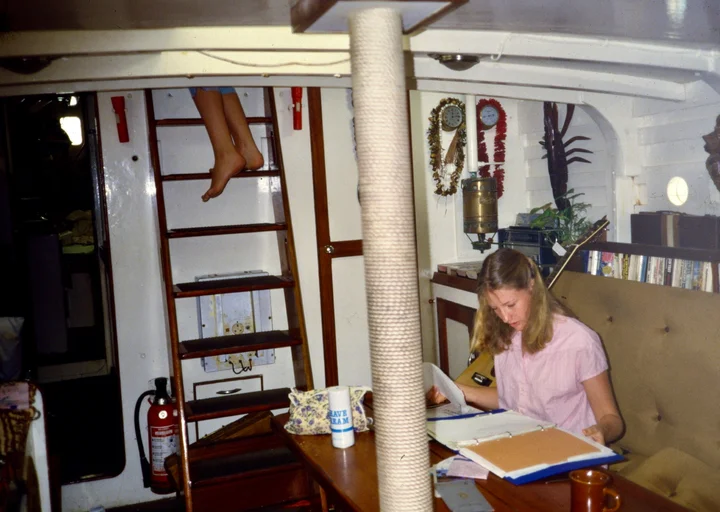
I kept going, lesson by lesson, until I found a way off the boat. Years later, with my own children, I understood the truth clearly: my childhood wasn’t privileged.
It was survival.