
Disturbing Emojis Used In Netflix’s Adolescence That Every Parent Should Know
Technology changes fast, and so does the way children communicate. Police and experts are now warning parents that common emojis can hold hidden, sometimes dangerous, meanings. While these icons look harmless, they are often used as “code” for drugs or extremist ideologies.
Many young people are being influenced by “manosphere” content online. This ideology often uses symbols like the “red pill” to promote a specific world view. On social media, emojis like a stick of dynamite, a kidney bean, or the “100” symbol can signal that a child is engaging with these groups or identifying as an “incel.”

Law enforcement has also released guides to help parents decode emojis related to illegal substances. For example, a snowflake or snowman often refers to cocaine. Fruit emojis, trees, or leaves are frequently used to discuss cannabis. Perhaps most importantly, authorities warn that the horse emoji is a common code for the drug ketamine.
Understanding these hidden meanings is vital for keeping children safe. Influencers can reach kids as young as 11, using emojis to bypass parental filters or avoid detection. Being aware of these trends allows for more open and informed conversations at home.
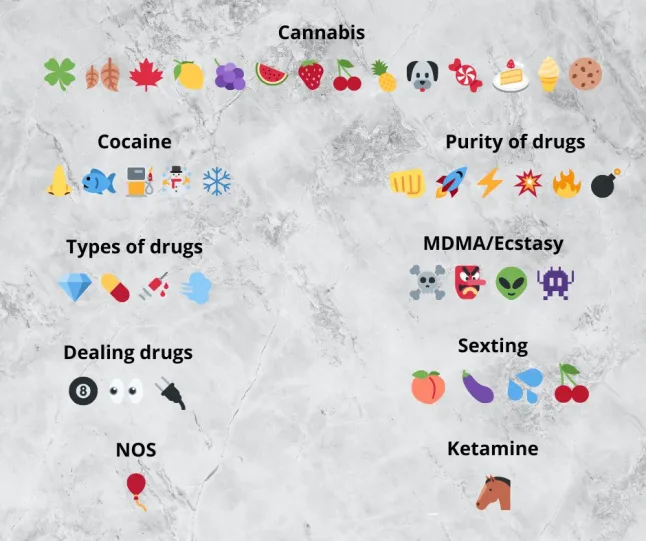
The digital world is constantly evolving, and staying updated is the best way to protect the younger generation. Checking for unusual emoji patterns in messages can help you identify if a child is being exposed to radical content or substance use before it becomes a crisis.