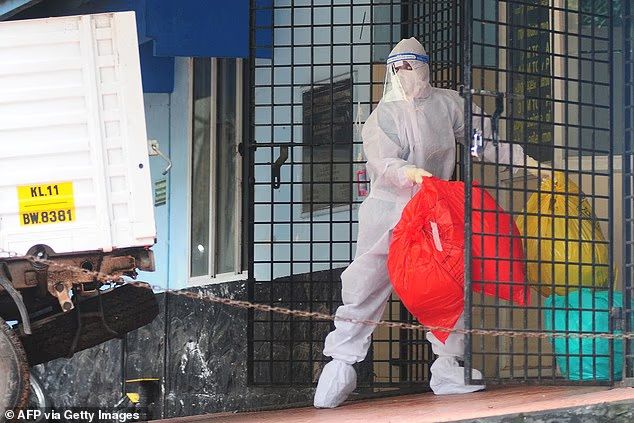
Officials reinstate Covid-era monitoring and quarantines after outbreak of deadly virus that has no cure
Health officials in Asia have reinstated safety measures similar to those used during the pandemic due to an outbreak of the Nipah virus. Five cases were recently confirmed in West Bengal, India, including a doctor and two nurses. While no cases have been detected in North America, the high fatality rate—between 40 and 75 percent—has put global health experts on high alert.
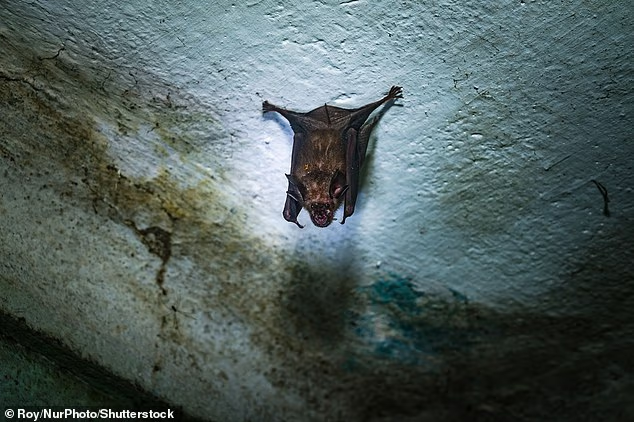
Nipah is a “zoonotic” virus, meaning it spreads from animals to humans. The primary carriers are fruit bats, which can contaminate fruit or infect livestock like pigs. Once a human is infected, they can spread the virus to others through close contact or bodily fluids.
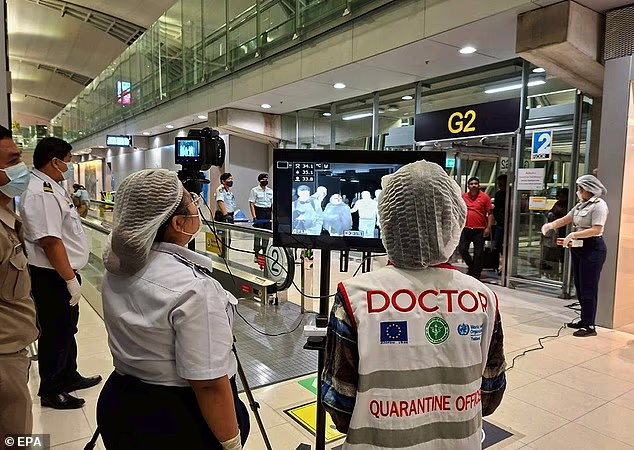
Several countries, including Thailand, Nepal, and Taiwan, have started screening travelers arriving from affected areas. Passengers with fevers or respiratory issues may face mandatory quarantine. Airports are also increasing cleaning protocols and issuing health education cards to travelers.
The virus is particularly dangerous because there is currently no cure or vaccine. Initial symptoms often look like the flu, with fever, headache, and muscle pain. However, the condition can quickly turn fatal if it causes severe respiratory failure or brain swelling (encephalitis).
For now, medical care focuses on treating specific symptoms as they arise. Experts emphasize that early prevention and monitoring are the most effective ways to contain the spread. Travelers are advised to follow local health guidance and practice good hygiene when visiting affected regions.