
‘Bed rotting’ trend that’s taking over young people has people divided over if it’s bad for you
A social media trend known as “bed rotting” is gaining popularity, particularly among younger people. The idea is simple: staying in bed for long periods to rest, relax, or disconnect from daily pressures. For many, it feels like an easy and comforting way to unwind.
Supporters of the trend say it helps them cope with stress, anxiety, and exhaustion. On days off, remaining in bed with takeaway food, television, or a phone can feel calming and restorative. Some believe this kind of rest helps prevent burnout and allows the mind to reset.
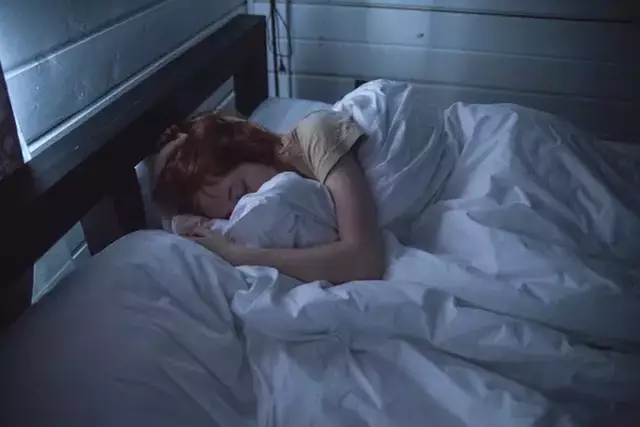
Mental health professionals, however, have raised concerns. They warn that spending too much time in bed doing passive activities can reduce motivation and limit meaningful engagement with life. In some cases, this behavior may worsen low mood or anxiety rather than relieve it.
Experts suggest that the key issue is intention. Rest can be healthy and necessary when the body truly needs recovery. But if staying in bed is mainly a way to avoid stress, responsibilities, or difficult emotions, it may become unhealthy over time.
Occasional lazy days are normal and enjoyable for most people. Problems may arise only when bed rotting becomes a regular coping strategy. Specialists advise finding balance by listening to your body while also maintaining daily routines, movement, and social connection.