Trans women are NOT legally women: Definition of a woman relates to ‘biological sex’, Supreme Court rules in landmark judgment that could end transgender access to single-sex spaces
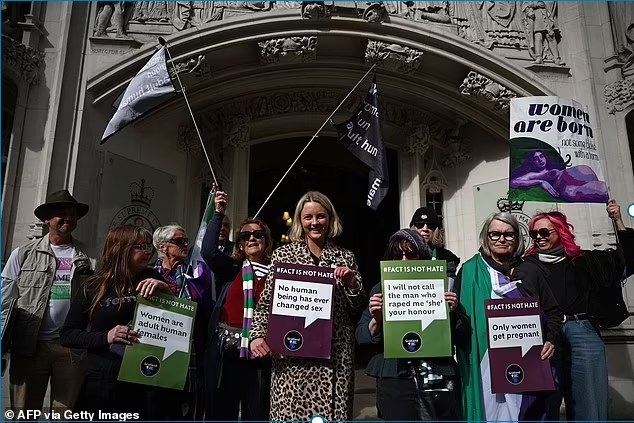
In a historic judgment, the UK Supreme Court has unanimously ruled that the terms “woman” and “sex” within the Equality Act 2010 refer specifically to biological sex. This decision concludes a long-running legal dispute regarding how sex-based protections are applied.
Clarifying the Equality Act
The panel of five justices clarified that the concept of sex is binary under the law. While a Gender Recognition Certificate (GRC) updates a person’s legal status, the Court ruled it does not redefine “sex” for the purposes of the Equality Act.
Impact on Single-Sex Spaces
This ruling provides significant legal clarity for service providers across England, Scotland, and Wales. It directly affects the management of:
- Safety and Privacy: The operation of domestic violence refuges and changing rooms.
- Healthcare: The designation of single-sex hospital wards.
- Fairness: Participation in women’s sports and representation on public boards.
Continued Protections
The Court emphasized that this ruling is not a “triumph” of one group over another. It stressed that transgender individuals remain fully protected from discrimination and harassment under the distinct category of “gender reassignment.”
A Definitive Legal Framework
While women’s rights advocates hailed the verdict as a victory for common sense and biological reality, trans advocacy groups expressed deep concern over its impact on social inclusion. Regardless of the debate, the ruling now establishes a consistent legal standard for interpreting sex-based rights throughout the United Kingdom.