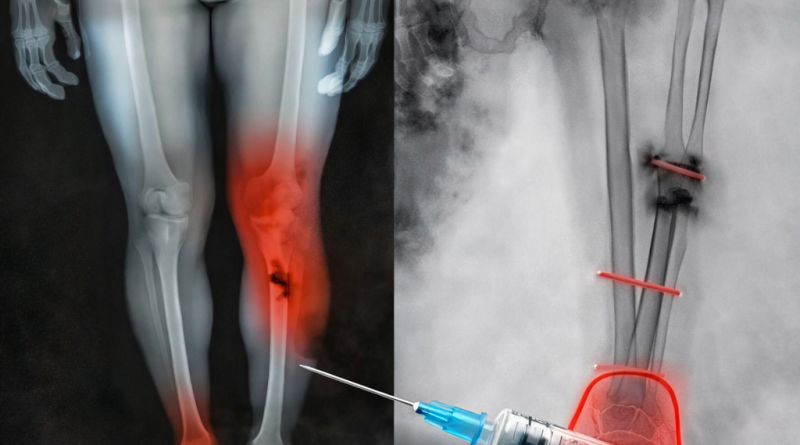
The Long Road Home, Why Recovery After 60 Is Changing Everything We Know About the Human Bodys Hidden Healing Powers
Recovery after 60 often begins when everything seems “over.”
The illness is gone, the procedure is done, and on paper, everything looks normal. Yet many people notice something unexpected in the weeks that follow—a quiet tiredness, reduced stamina, or a body that simply doesn’t feel the same.
This stage of recovery can feel confusing.
Simple activities, like walking short distances or doing daily tasks, may require more effort than before. It’s not always easy to understand why progress feels slower.
But the body is still working behind the scenes.
After a serious illness or surgery, the body uses a large amount of energy to repair itself. In younger years, this process happens quickly. After 60, the same process continues—but at a slower, more careful pace.
Healing becomes less of a sprint and more of a steady journey.
One reason for this is lingering inflammation.
Even when major symptoms are gone, the body’s internal response system may stay active for some time. This can lead to mild discomfort, stiffness, or moments of mental fog that come and go.
These feelings can be frustrating, but they are often part of the normal recovery process.
What matters most is understanding the difference between slow healing and warning signs.
Ongoing fatigue or mild aches are common. However, symptoms like chest discomfort, unusual shortness of breath, or a racing heartbeat at rest should never be ignored and require medical attention.
Over time, many people regain their strength.
The key is patience.
Giving the body enough rest, listening to its signals, and allowing recovery to happen naturally can make a meaningful difference.
In the end, recovery after 60 is not about weakness.
It is a reflection of how the body adapts, protects, and continues to heal—just in its own time.