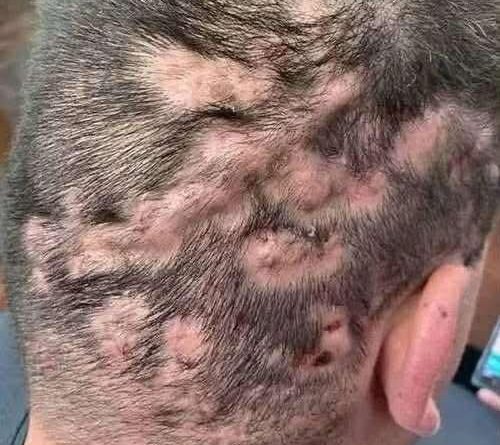
These are the first symptoms
Sometimes, your skin shows early signs of what’s happening inside your body. One important example is the appearance of dark, velvety patches on areas like the neck, armpits, or groin.
These patches may look like dirt—but they’re not.
This condition is called Acanthosis Nigricans. It cannot be washed off and is not related to poor hygiene. Instead, it often signals an internal imbalance.
It’s a warning sign, not a disease.
Acanthosis Nigricans is commonly linked to insulin resistance, meaning the body is struggling to manage blood sugar properly. It can also be associated with obesity, hormonal changes, genetics, and in rare cases, certain medications or underlying conditions.
Some people are at higher risk.
Children and adults who are overweight and develop these skin changes may have an increased risk of developing type 2 diabetes over time.
The symptoms are usually subtle.
These patches are typically painless and do not itch, which is why they are often ignored in the early stages.
But they should not be overlooked.
If the patches appear suddenly, begin to spread, or are accompanied by symptoms like fatigue, increased thirst, or frequent urination, it’s important to consult a doctor.
Diagnosis is simple.
A healthcare provider can evaluate the skin and may recommend blood tests to check blood sugar levels and insulin resistance.
The good news is—this can be managed.
Treatment focuses on the root cause. Healthy eating, regular physical activity, weight management, and routine check-ups can significantly improve the condition.
In the end, awareness matters most.
Your skin can act as an early warning system. Recognizing these signs early can help protect your long-term health.