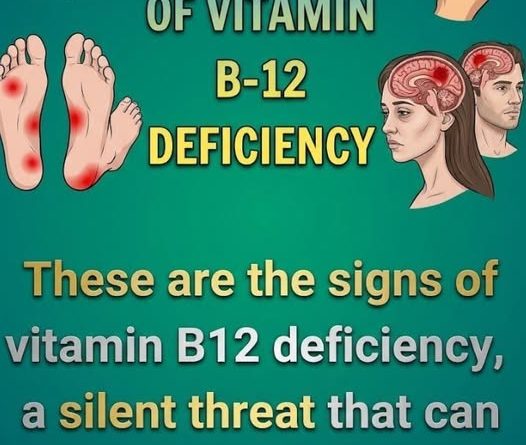
Low Vitamin B12 Signs
Vitamin B12 is essential for your body. It helps form red blood cells, supports nerve function, and plays a key role in DNA production.
Your body can’t make it on its own.
That means you must get vitamin B12 from food or supplements. It’s mostly found in animal products like meat, fish, eggs, and dairy. People who eat less of these foods—or have absorption issues—may be at higher risk of deficiency.
The symptoms can start quietly.
One of the earliest signs is постоянна tiredness. When vitamin B12 is low, your body produces fewer healthy red blood cells. This reduces oxygen flow, leaving you feeling weak, fatigued, or short of breath during normal activities.
Mental changes can appear too.
You might notice difficulty concentrating, memory issues, or a general “brain fog.” These symptoms are often mistaken for stress or lack of sleep.
Physical signs may develop over time.
Pale or slightly yellow skin can occur due to changes in blood cells. Some people also experience a smooth or sore tongue, along with mild mouth discomfort.
Nerve-related symptoms are important.
Tingling or numbness in the hands and feet, balance problems, or even vision changes can happen if the deficiency becomes more serious.
Mood can also be affected.
Irritability, low mood, or slowed thinking may appear, especially when symptoms build up gradually.
There are several possible causes.
Low stomach acid, certain medications, digestive disorders, and diet can all affect how your body absorbs vitamin B12.
The good news is—it can be treated.
Depending on the cause, treatment may include dietary changes, supplements, or medical injections.
Prevention starts with awareness.
Eating B12-rich foods or fortified products, and having regular checkups, can help detect problems early—especially if you are at risk.
In the end, small signs matter.
Recognizing them early can help you avoid bigger health issues and keep your body functioning at its best.