Author: Edward

  • DHS responds after reports Border Patrol commander Gregory Bovino was fired as Trump to withdraw agents from Minneapolis

    DHS responds after reports Border Patrol commander Gregory Bovino was fired as Trump to withdraw agents from Minneapolis

    Public outcry is growing after the recent shooting of civilian Alex Pretti by Border Patrol agents. This follows a similar tragedy earlier this year involving Renee Good. These incidents have sparked intense debates regarding federal accountability and whether these deaths could have been prevented.
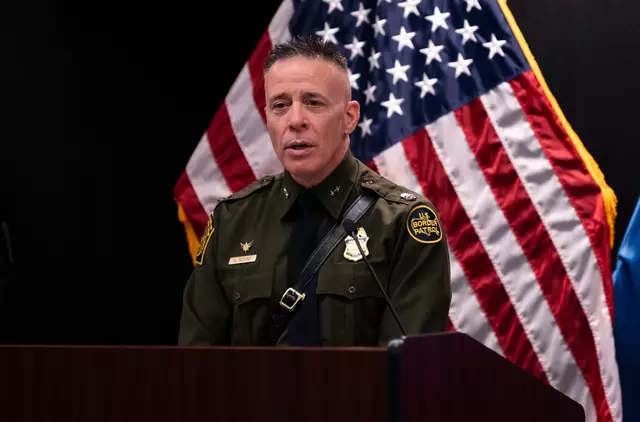
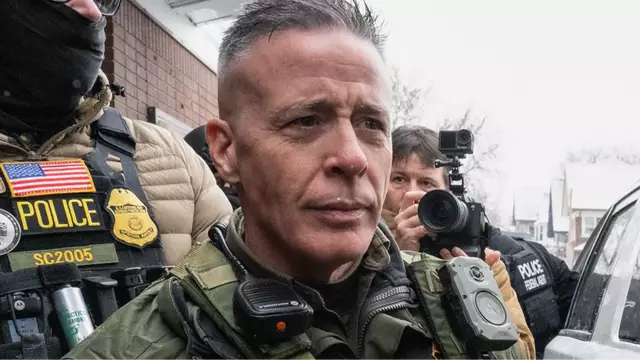
    Conflicting reports surfaced suggesting that Border Patrol Commander Gregory Bovino had been fired. However, the Department of Homeland Security (DHS) has officially denied these claims. Officials clarified that Bovino remains a key member of the federal team, though his specific role in the city is changing.

    President Trump and Minneapolis Mayor Jacob Frey have reached an agreement to scale back the federal presence. While some agents are scheduled to depart immediately, others will remain to focus on specific investigations into financial fraud.

    “Border Tsar” Tom Homan is expected to arrive in Minneapolis to manage the ongoing transition. This move follows a “mutual decision” between federal leadership and local officials to de-escalate the current situation on the ground.

    The city remains in a state of flux as local leaders push for the total end of “Operation Metro Surge.” While progress is being made through direct talks between the White House and the Mayor’s office, the community continues to demand justice for the lives lost.
  • Symptoms of deadly virus with no cure as outbreak prompts airports to launch COVID-style measures

    Symptoms of deadly virus with no cure as outbreak prompts airports to launch COVID-style measures

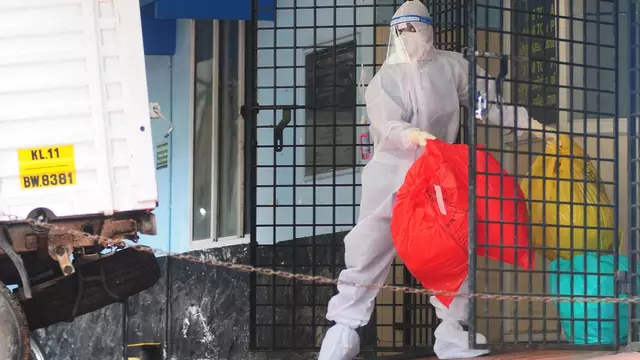
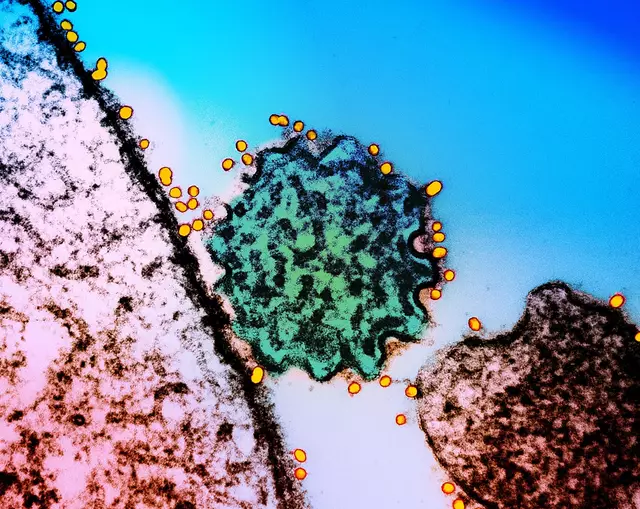
    The Nipah virus is currently causing concern in parts of Asia, leading several countries to reinstate health screenings at airports. While the number of cases is relatively low, health officials are on high alert due to the virus’s serious nature.

    Nipah is a “zoonotic” virus, meaning it spreads from animals—specifically fruit bats and pigs—to humans. It can also be transmitted through contaminated food or direct contact with an infected person. Unlike the common flu, it has a high fatality rate, estimated between 40% and 75%.

    The illness typically begins with sudden, flu-like symptoms. If you are monitoring for infection, look for high fever, headaches, muscle pain, and extreme fatigue. Some patients also experience respiratory issues, such as a cough or shortness of breath.

    In severe cases, the virus causes encephalitis, which is a dangerous swelling of the brain. This can lead to confusion, seizures, or even a coma. These neurological symptoms usually appear within several days to weeks after the initial illness begins.

    Currently, there are no vaccines or specific cures available for Nipah. To limit the spread, affected regions have reintroduced safety protocols, including temperature checks and masking. Staying informed through official travel advisories remains the best way to stay safe.

  • Kelly Powers Has Died Aged 45

    Kelly Powers Has Died Aged 45

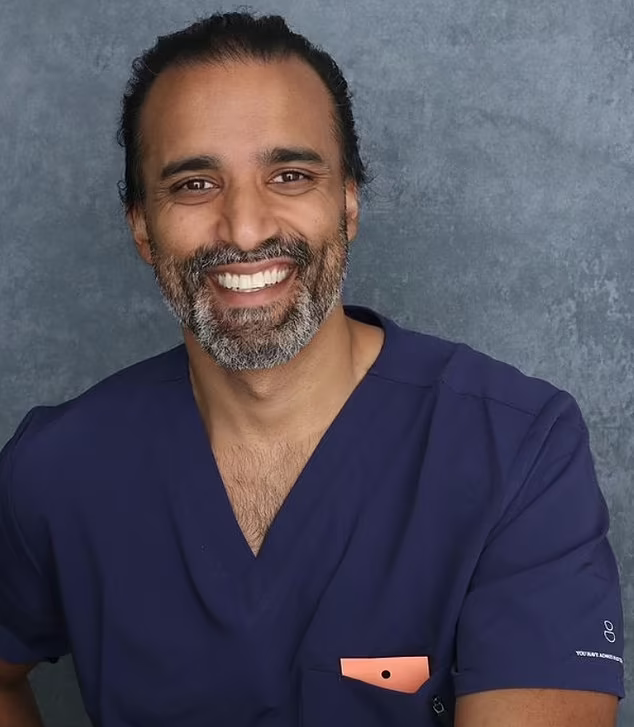
    Dr. Kelly Powers, a respected surgeon and frequent medical commentator for Fox News, has passed away at the age of 45. Known for her vibrant personality and professional expertise, she spent her final years battling an aggressive form of brain cancer.

    The cause of death was glioblastoma, a fast-moving and deadly brain tumor. Her health struggle began in 2020 after she suffered severe headaches and a seizure. Despite multiple surgeries, radiation, and advanced immunotherapy, the cancer returned aggressively this year.

    Glioblastoma remains one of the most difficult cancers to treat. Experts warn that cases are projected to rise significantly over the next few decades. Potential risks may include long-term inflammation and exposure to certain environmental chemicals, though research is ongoing.

    Friends, colleagues, and viewers have flooded social media with tributes. They remember Dr. Powers not just as a talented physician, but as a “brave and beautiful soul” who loved gardening, surfing, and ballet. Many highlighted her incredible resilience in the face of such a difficult diagnosis.

    Dr. Powers is survived by her husband and their three-year-old son. Her passing has sparked renewed calls for cancer research, with many in the medical community praising her for the strength and kindness she showed throughout her life and career.

  • Adult Star ‘Disturbed’ After Finding Out Close Family Member Subscribed To Her X-Rated Content

    Adult Star ‘Disturbed’ After Finding Out Close Family Member Subscribed To Her X-Rated Content

    In a story that has recently gained widespread attention, content creator Talia Batiste shared a disturbing discovery: her stepfather was one of her top anonymous subscribers. This revelation has sparked a broader conversation about boundaries and safety in the digital age.

    Batiste noticed a username on her platform that matched a TikTok handle “from her contacts.” Upon further investigation, she realized it was her stepfather. More unsettling was the fact that he had been her highest-paying subscriber, requesting daily custom videos and specific clothing choices while they lived in the same home.

    When confronted, the stepfather claimed he was simply “looking out for her welfare.” Batiste immediately informed her mother, leading to an immediate separation and a subsequent divorce. While the incident initially caused a rift among relatives, Batiste and her mother have since reconciled and moved forward together.

    Sharing her story publicly helped Batiste process the trauma, but it also made her an overnight sensation. While the sudden fame caused her significant anxiety in public spaces, it ultimately led to financial independence. She now uses her platform to advocate for clearer ethical boundaries between creators and their families.

    Batiste views her experience as a cautionary tale for the digital era. She emphasizes that anyone entering online spaces must be prepared for the reality that privacy is never guaranteed. She maintains that family members should respect professional boundaries, noting that such behavior is inappropriate regardless of the career path.

  • Influencer Dies After Falling From One Of The World’s Highest Bridges

    Influencer Dies After Falling From One Of The World’s Highest Bridges

    Fatal Climb for Instagram
    Lewis Stevenson, 26, a British influencer known for extreme stunts, tragically died after falling from Spain’s tallest bridge, Castilla-La Mancha, on October 13. He attempted the 192-meter climb without safety gear to capture content for Instagram.

    Warnings Ignored
    Despite repeated warnings from local authorities that climbing the bridge was strictly forbidden, Stevenson proceeded with the stunt, accompanied by another British man. Councillor Macarena Munoz called it a “tragic accident” and stressed, “climbing the bridge is totally prohibited.”

    Family’s Pleas and Last Words
    Stevenson’s family had begged him to stop these risky feats. His grandfather said, “We all tried to talk him out of it.” His girlfriend, Savannah Parker, recalled his last words: “Good night, I love you,” and described the loss as a “nightmare.”

    Tributes from Friends
    Friends and fellow climbers honored him online. One called Stevenson “the bravest, most caring and funny person,” while another said, “Your fearless mentality will stick with me for the rest of my life.”

    Conclusion
    His death serves as a heartbreaking reminder of the dangers of high-risk social media stunts.

  • Doctor reveals five common drugs taken by tens of millions that cause your hair to fall out

    Doctor reveals five common drugs taken by tens of millions that cause your hair to fall out

    While hair loss is a natural part of aging, certain common medications may be secretly accelerating the process. Dr. Zain Hasan, a Los Angeles physician, warns that several widely used drugs can trigger hair thinning or cause follicles to stop growing.

    Wellbutrin, a common antidepressant, has been linked to hair loss more frequently than similar medications. Additionally, high doses of acne treatments like Accutane or powerful retinol creams can cause premature shedding. Fortunately, hair usually grows back once these treatments are adjusted or stopped.

    Medications used to prevent blood clots, such as Warfarin and Eliquis, can push hair follicles into a “resting phase.” This typically results in noticeable thinning a few months after starting the drug. Beta-blockers used for high blood pressure, like Lopressor, can have a similar—though rarer—effect on the hair cycle.

    Tamoxifen, used to treat breast cancer, is a frequent cause of thinning because it lowers estrogen levels. Unlike some other medications where hair loss is rare, roughly one in three patients on this treatment may notice a change in their hair density.

    If you notice sudden thinning, it is important not to stop your prescription immediately. Most medication-related hair loss is reversible. Consult your doctor to see if a dosage change or a different brand could help protect your hair while still managing your health.

  • Covid prophet who predicted pandemic years before it spread reveals terrifying next ‘big one’ is ALREADY HERE

    Covid prophet who predicted pandemic years before it spread reveals terrifying next ‘big one’ is ALREADY HERE

    David Quammen, the author who famously predicted the COVID-19 pandemic, is sounding a new alarm. He warns that bird flu (H5N1) currently poses the greatest threat for the next global health crisis. While the virus does not yet spread easily between people, Quammen believes the world is “spinning a roulette wheel” every day it remains active in animals.

    The virus is currently spreading among millions of wild birds, poultry, and dairy cows. Each time the virus replicates in an animal, it has a chance to mutate. Quammen explains that while a human-to-human version of the virus is currently unlikely, the sheer volume of global infections makes a dangerous mutation more likely over time.

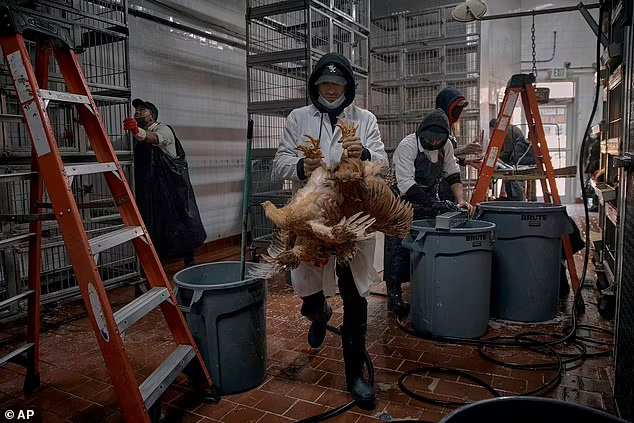
    A major part of the problem is large-scale industrial farming. Crowding millions of animals together creates a “petri dish” for viral evolution. These conditions provide constant opportunities for the virus to jump from animals to farmworkers, which could lead to a wider outbreak.

    Quammen highlights that human behavior drives these risks. As we disrupt wild ecosystems and demand more animal protein, we come into closer contact with rare viruses. He suggests that lowering the risk requires addressing climate change and rethinking our reliance on factory-farmed meat.

    While the risk to the general public remains low for now, recent human cases show the virus can cause severe illness. Experts urge governments to improve surveillance and security to prevent a repeat of the chaos seen in 2020.

  • The little-known colon cancer risk factor doctors are now warning about

    The little-known colon cancer risk factor doctors are now warning about

    Scientists have discovered a potential reason why colon cancer is rising in younger adults. Research from UT Southwestern shows that in younger patients, colon tissue often becomes unusually stiff and rigid. This physical change appears to create a “speed trap” for health, causing cells to multiply faster and increasing the risk of dangerous mutations.

    The study found that chronic inflammation is the likely culprit. This inflammation alters collagen, the protein that gives our organs structure, making it dense and tough rather than flexible. While the exact trigger for this inflammation is still being studied, experts point to common lifestyle factors like poor diet, lack of sleep, and smoking as probable contributors.

    This discovery is a major step forward in understanding “early-onset” colon cancer, which has increased by 50% in younger age groups over the last thirty years. By focusing on the stiffness of the tissue, doctors may soon have new ways to identify high-risk individuals before cancer even develops.

    For those over 45, this research reinforces the importance of managing inflammation through healthy habits. Maintaining a balanced microbiome and a good diet remains one of the best ways to keep the digestive system flexible and healthy.

    Researchers hope these findings will lead to new treatments that target the mechanical stiffness of the colon, potentially stopping the disease in its tracks.

  • Fabio Lanzoni, 66, looks as hunky as ever on rare outing in LA… see Iconic ’80s Italian model now

    Fabio Lanzoni, 66, looks as hunky as ever on rare outing in LA… see Iconic ’80s Italian model now

    Fabio Lanzoni, the iconic face of romance novels, was recently spotted during a rare public outing in Los Angeles. At 66, the Italian-born model proved he still carries the dashing charm that made him a household name decades ago.

    Known simply as Fabio, the star was seen running errands while sporting his signature long, blonde hair. He maintained his classic style, wearing a purple button-down shirt and grey jeans. Fans were delighted to see that he looks much the same as he did during his peak fame in the late 1980s and 1990s.

    Fabio’s legendary career includes posing for over 1,300 romance novel covers. His striking features also led to major roles as a spokesperson for brands like “I Can’t Believe It’s Not Butter!” and memorable appearances in films like Zoolander.

    Since becoming a U.S. citizen in 2016, Fabio has lived a more private life. He often credits his success to luck and a lifelong commitment to fitness. He famously survived a freak accident in 1999 when a goose hit him while he was on a rollercoaster—an event he says taught him to live life to the fullest.

    Even after years away from the spotlight, Fabio remains a symbol of an era of glamour. His recent appearance serves as a nostalgic reminder of his enduring status as one of the world’s most recognizable faces.

  • Moment skiing tourist is attacked and seriously injured by a snow leopard while trying to take a selfie with the rare beast

    Moment skiing tourist is attacked and seriously injured by a snow leopard while trying to take a selfie with the rare beast

    A tourist skiing in northern China was seriously injured after approaching a rare snow leopard to take a selfie. The incident happened at a popular geopark despite recent warnings about wild animal sightings in the area.

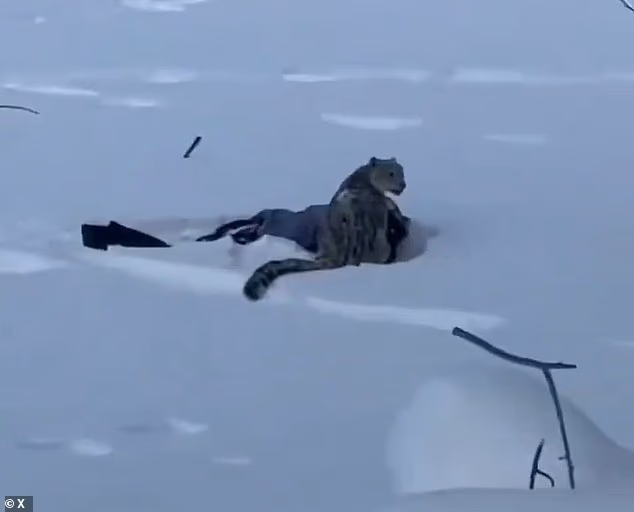
    Reports indicate the woman moved within 10 feet of the predator to get a better photo. The animal pounced and mauled her face. A nearby ski instructor managed to chase the leopard away using his ski poles. While the tourist’s helmet likely saved her life, she was hospitalized with significant facial injuries.

    Local authorities had previously issued alerts after several leopards were spotted near hotels. They advised visitors to stay in their vehicles and move quickly through the park. Experts believe the animals may be moving closer to human areas due to hunger.

    While China is home to 60% of the world’s snow leopards, attacks are extremely rare. These animals are typically shy and elusive. This event serves as a stern reminder to respect the boundaries of wildlife, especially when safety warnings are in place.

    Officials are currently investigating the attack. They continue to urge the public not to linger or walk alone in areas where large predators have been detected.

Daily News