Author: Edward

  • Boy, 14, dies after ‘injecting himself with butterfly remains mixed with water’ – as police probe if he was taking part in an online ‘challenge’

    Boy, 14, dies after ‘injecting himself with butterfly remains mixed with water’ – as police probe if he was taking part in an online ‘challenge’

    A 14-year-old boy in Brazil has died after reportedly injecting himself with a liquid made from butterfly remains, raising concerns about dangerous behaviour influenced by online content.

    The teenager was taken to hospital after his health suddenly deteriorated. He began vomiting and showed signs of a serious infection. At first, he told his family he had hurt himself while playing.

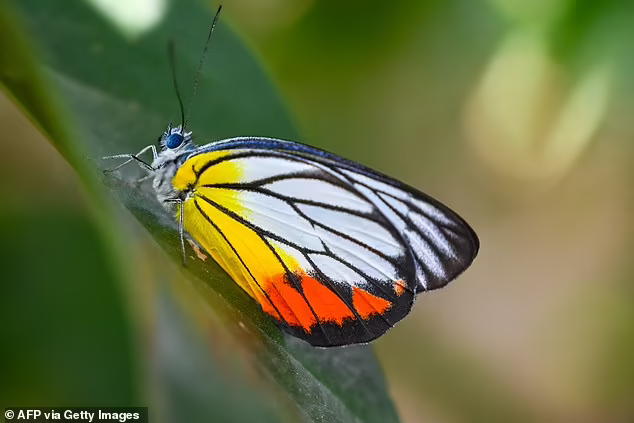
    As his condition worsened, the boy is said to have told doctors that he mixed a dead butterfly with water and injected the liquid into his leg. Despite medical treatment, he later died in hospital.

    Police have opened an investigation to establish the exact cause of death. Authorities are awaiting full post-mortem results to confirm whether toxins, infection, or another reaction caused his body to shut down. Investigators are also looking into whether the act was linked to an online challenge.
    Medical experts warn that injecting unknown substances is extremely dangerous. Even small amounts of contaminated or toxic material can lead to severe infection, organ failure, or death.

    The case has renewed concern about the influence of harmful online trends on young people. Parents and officials are urging greater awareness and supervision, warning that internet dares can carry serious and sometimes fatal risks.


  • Tourist falls off a train to her death ‘while hanging from the carriage trying to take a photo’ in Sri Lanka

    Tourist falls off a train to her death ‘while hanging from the carriage trying to take a photo’ in Sri Lanka

    A tourist has died in Sri Lanka after falling from a moving train while trying to take a photo.

    She was travelling on a scenic railway route popular with visitors. At some point, she leaned out of an open carriage to take a picture and lost her balance.

    Emergency services rushed her to hospital, but she later died from serious head injuries caused by the fall.

    The train route is famous for its views of mountains, forests, and tea plantations. While it attracts many tourists, officials warn that leaning out of train doors or windows is extremely dangerous, especially on moving trains.

    Safety experts say similar accidents have occurred in other countries, often involving people taking photos in unsafe places. They urge travellers to stay inside carriages, follow safety rules, and avoid risky photo attempts.

    Authorities remind tourists that no picture is worth putting a life at risk.

  • Scientist claims most of us are BISEXUAL – just like our primate relatives in the jungle

    Scientist claims most of us are BISEXUAL – just like our primate relatives in the jungle

    A growing number of people identify as bisexual, but one scientist believes this still underestimates how common mixed attraction may be.

    Dr Jason Hodgson, an anthropologist and evolutionary geneticist at Anglia Ruskin University, argues that human sexuality exists on a broad spectrum. At one end are people attracted only to the opposite sex, and at the other are those attracted only to the same sex. He says most people fall somewhere in between these extremes.

    Official figures show a clear rise in people openly identifying as bisexual. However, Dr Hodgson suggests many more people may experience attraction to both sexes at different points in their lives, even if they do not describe themselves as bisexual. He stresses that sexual identity and sexual behaviour are not always the same.

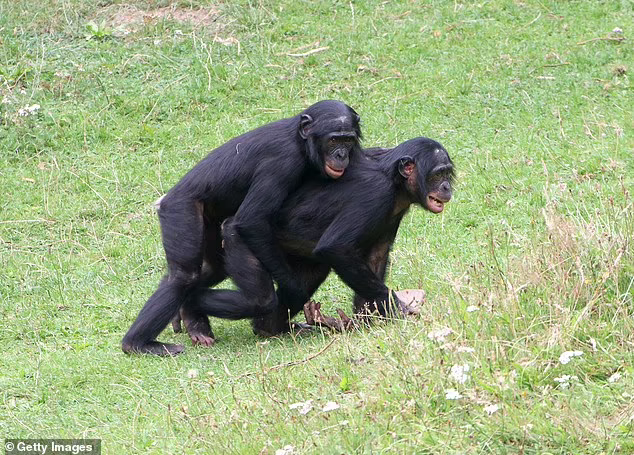
    The scientist points to evidence from nature, especially our close primate relatives. Species such as bonobos commonly show both same-sex and opposite-sex interactions, which play an important role in social bonding. He believes this offers insight into human behaviour and suggests mixed attraction may be a natural part of social connection.

    Research also shows that sexuality is shaped by many genes, each with a small influence, along with personal experiences. There is no single gene that determines attraction.

    Dr Hodgson believes rigid labels do not reflect human complexity. As understanding improves, he says society may increasingly accept sexuality as flexible rather than fixed.

  • New coronavirus with potential to cause pandemic discovered in China

    New coronavirus with potential to cause pandemic discovered in China

    A newly identified coronavirus found in bats in China has raised concern among scientists because of its potential ability to infect humans.

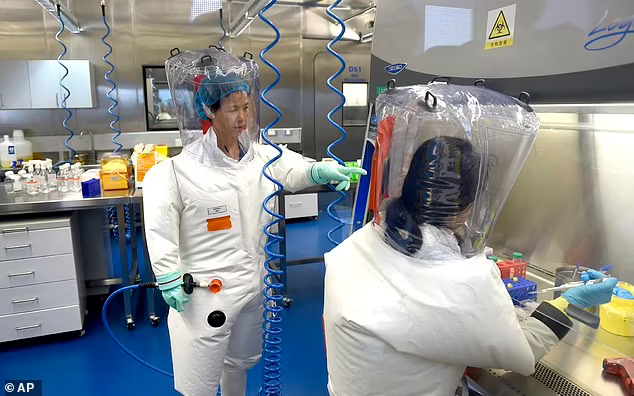
    Researchers detected a virus known as HKU5-CoV-2 during routine monitoring of bat populations. The work focused on identifying animal viruses that could pose future risks to people.

    Laboratory tests suggest the virus can enter human cells in a similar way to the virus that caused Covid-19. Scientists say this means there is a possibility it could pass from animals to humans, either directly or through another animal species.

    The virus is closely related to the same family of coronaviruses as MERS, a rare but serious respiratory illness that has spread from animals to humans in the past. Although MERS cases are uncommon, its severity has made researchers cautious about related viruses.

    The study, led by scientists at the Wuhan Institute of Virology, notes that similar viruses have previously crossed between bats and other animals. This pattern increases concern about future spillover events.

    Researchers stress there is no evidence the virus is currently spreading among humans. They say further research is needed to understand whether it could pose a real threat and how such risks can be reduced.

  • Parents who killed fussy newborn after turning to old wives’ tale are charged with murder

    Parents who killed fussy newborn after turning to old wives’ tale are charged with murder

    A West Virginia couple has been charged with murder after their four-month-old daughter died from alcohol poisoning linked to an unsafe home remedy.

    Emergency services were called in November 2024 after the baby was found unresponsive at her home. She was taken to hospital but was pronounced dead shortly after arrival. At the time, her parents told authorities the child had been healthy and had no medical conditions.

    A post-mortem examination later revealed the infant had a lethal level of alcohol in her system. Medical officials determined that alcohol poisoning was the cause of death, prompting investigators to reopen the case.

    During later police interviews, the parents admitted they had regularly rubbed alcohol on their baby’s gums to calm her when she became fussy. They said they had used this method almost every day for about a month before her death, believing it would help soothe her.

    Health experts strongly warn that giving alcohol to infants is extremely dangerous. Even very small amounts can be toxic to a baby’s undeveloped body. Doctors stress that such practices, often passed down as old wives’ tales, can have fatal consequences.

    The parents now face charges including first-degree murder, child neglect resulting in death, and conspiracy. They are being held without bail while the case moves through the legal system.

  • Mother who broke America’s heart after losing all three of her children in car crash dies of aggressive brain cancer aged just 48

    Mother who broke America’s heart after losing all three of her children in car crash dies of aggressive brain cancer aged just 48

    A California mother who became a symbol of strength after losing all three of her young children in a car crash has died from aggressive brain cancer at the age of 48.

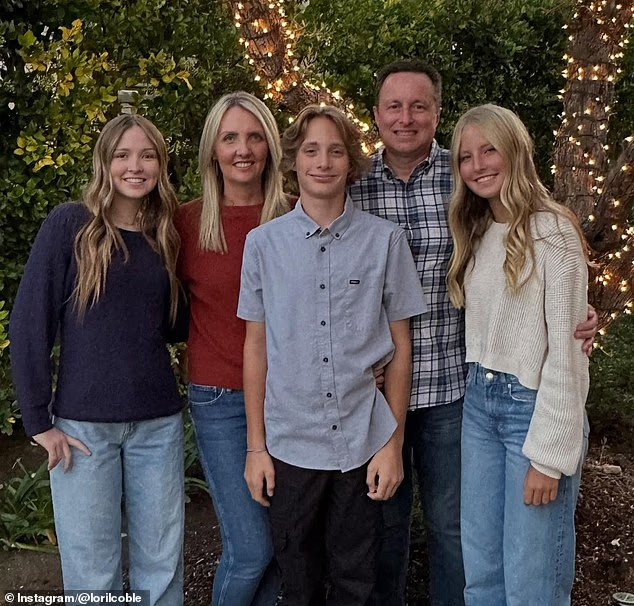
    Lori Coble came to national attention in 2007 after a truck crashed into her family’s vehicle, killing her three small children. The tragedy deeply affected people across the US and left Lori and her husband facing unimaginable grief.

    Despite the loss, Lori slowly rebuilt her life. About a year later, she and her husband welcomed triplets, which helped them move forward. In later years, she spoke openly about grief, forgiveness, and resilience, offering comfort to many families who had experienced loss.

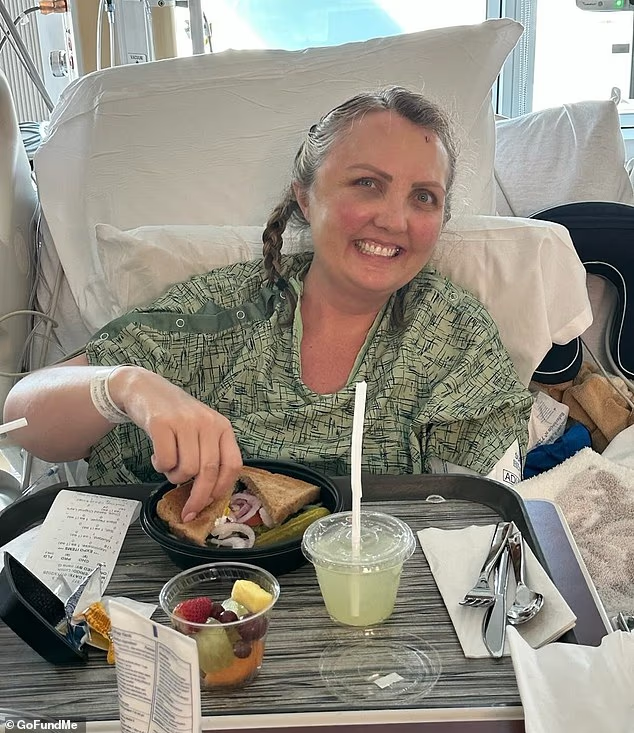
    In mid-2025, Lori’s health began to deteriorate. Her husband noticed changes in her coordination and movement, which led to medical tests. Doctors diagnosed her with an aggressive form of brain cancer that progressed rapidly.

    Lori chose to fight the illness and underwent surgery and treatment, hoping to gain more time with her family. As her condition worsened, she entered hospice care and died peacefully, surrounded by loved ones.

    Her family and friends say she will be remembered as a devoted mother whose strength, kindness, and courage inspired people across the country.

  • I had horrendous diarrhoea and sickness during 15-hour flight to LA after I was served the wrong croissant: Gluten-intolerant backpacker cries in the toilet after pastry causes nasty sickness

    I had horrendous diarrhoea and sickness during 15-hour flight to LA after I was served the wrong croissant: Gluten-intolerant backpacker cries in the toilet after pastry causes nasty sickness

    A young traveller with a medical gluten condition says a simple meal mistake on a long-haul flight left her seriously unwell and shaken.

    Chloë Chapdelaine, who has coeliac disease, requested a gluten-free meal while flying from Dubai to Los Angeles. Although the tray was labelled gluten-free, one item was not. After eating part of the pastry, she checked with cabin crew and was told it contained gluten.

    Because her condition reacts strongly even to small amounts, Chloë became ill soon after. She spent much of the 15-hour flight suffering stomach pain, nausea, and extreme discomfort, making the journey very distressing.

    Coeliac disease is an autoimmune condition in which gluten damages the small intestine. According to NHS, about one in 100 people are affected and must follow a strict gluten-free diet to stay well.

    Chloë says this was not the first time a special meal request had gone wrong while flying. She believes airlines need to take food intolerances more seriously, as small mistakes can lead to serious health problems for passengers.

  • Woman claims 34GG bust stops her from working – because the NHS refuses to offer her a breast reduction

    Woman claims 34GG bust stops her from working – because the NHS refuses to offer her a breast reduction

    A 36-year-old woman says long-term pain linked to very large breasts has forced her out of work after the NHS declined her request for reduction surgery under new rules.

    Mary Rich says her breast size has caused severe back and spinal pain for many years. She claims the condition now affects her ability to stand, move freely, and complete everyday tasks, leaving her dependent on benefits and daily support from her partner.

    Mary first approached the NHS for help in her 20s and was advised to improve her health before qualifying. After losing weight and stopping smoking, she reapplied in late 2024 but was rejected again. She says the decision was based on updated criteria that now require specific skin conditions, which she does not have.

    Private surgery costs far beyond what she can afford. Mary fears that without treatment her condition will worsen, potentially leading to permanent disability. She argues that early surgery would be more cost-effective than long-term care.

    After two decades working in healthcare, Mary says she can no longer work due to pain and exhaustion. She now relies on financial support while waiting for further benefit decisions.

    Mary believes the policy change has unfairly restricted access to care for women with chronic pain. A spokesperson for NHS said policies are reviewed regularly and encouraged patients to discuss their experiences with local services.

  • 73-year-old woman reveals why she decided to become an escort after being celibate for 40 years

    73-year-old woman reveals why she decided to become an escort after being celibate for 40 years

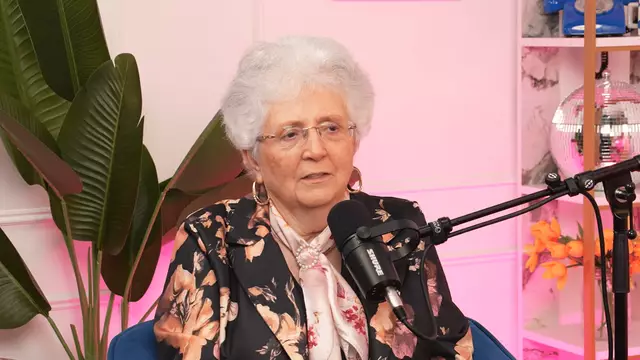
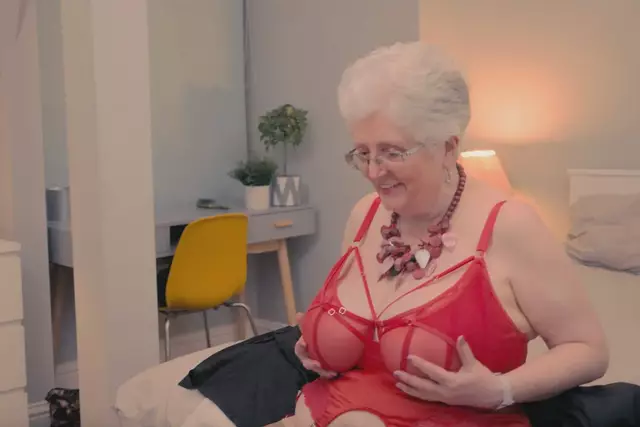
    A 73-year-old British woman has shared how she completely transformed her life later in age, after spending four decades celibate due to strict religious beliefs.

    Caroline Vee said she became a born-again Christian as a teenager and remained deeply involved with the church for many years. Because her faith opposed intimacy outside of marriage, she chose to live without romantic or physical relationships for most of her adult life.

    However, in her late 50s, Caroline began questioning whether she had truly lived the life she wanted. She gradually distanced herself from the church and started exploring new social experiences, including dating for the first time in decades.

    Financial pressure became a turning point. Facing serious money problems and the risk of losing her home, she began looking for alternative ways to support herself. Through online platforms, she discovered that there was demand for companionship services aimed at older adults.

    Over time, Caroline built a steady income and says the work gave her both financial independence and personal confidence. At the peak of her career, she earned enough to pay off her mortgage and stabilize her life.

    Now in her 70s, she says she continues by choice, setting her own boundaries and schedule. Caroline emphasizes that age should not dictate whether someone is allowed to feel confident, independent, or fulfilled.

    “I’m proud of what I’ve achieved,” she said. “If others disapprove, that’s their issue, not mine.”

  • Hiker Who Was Lost For 24 Hours Ignored Calls From Rescuers Because It Was An Unknown Number

    Hiker Who Was Lost For 24 Hours Ignored Calls From Rescuers Because It Was An Unknown Number

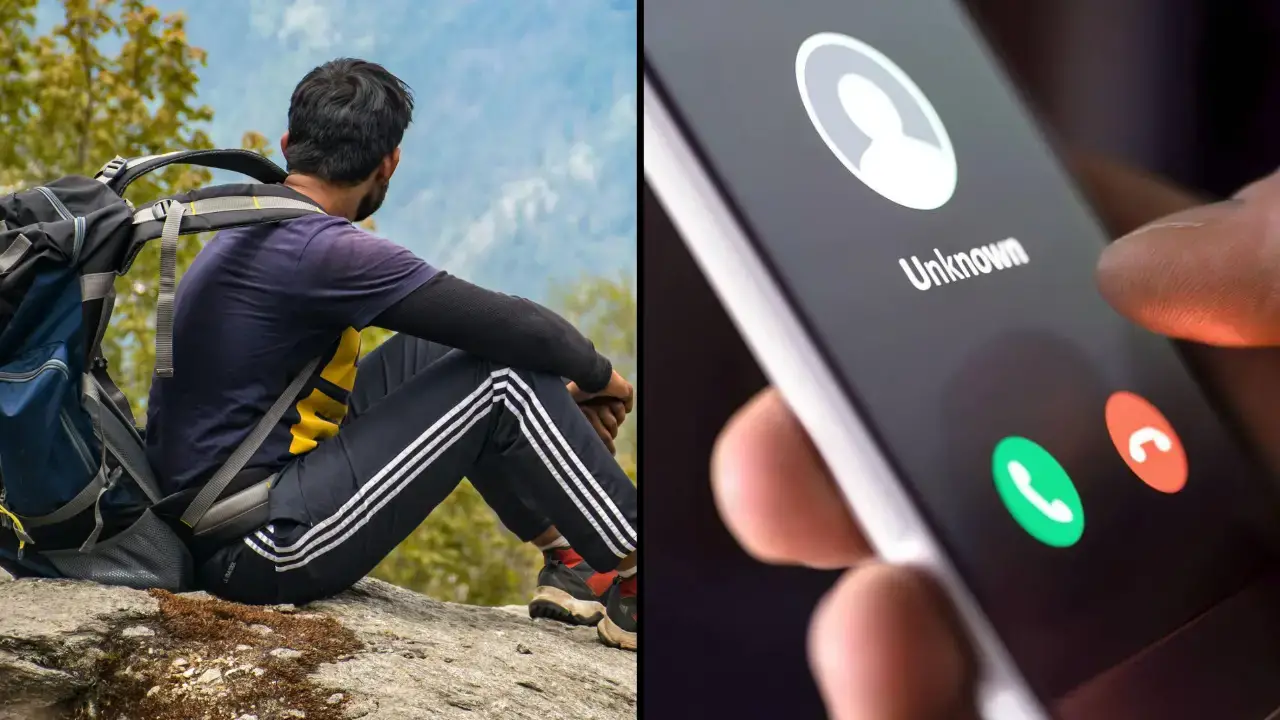
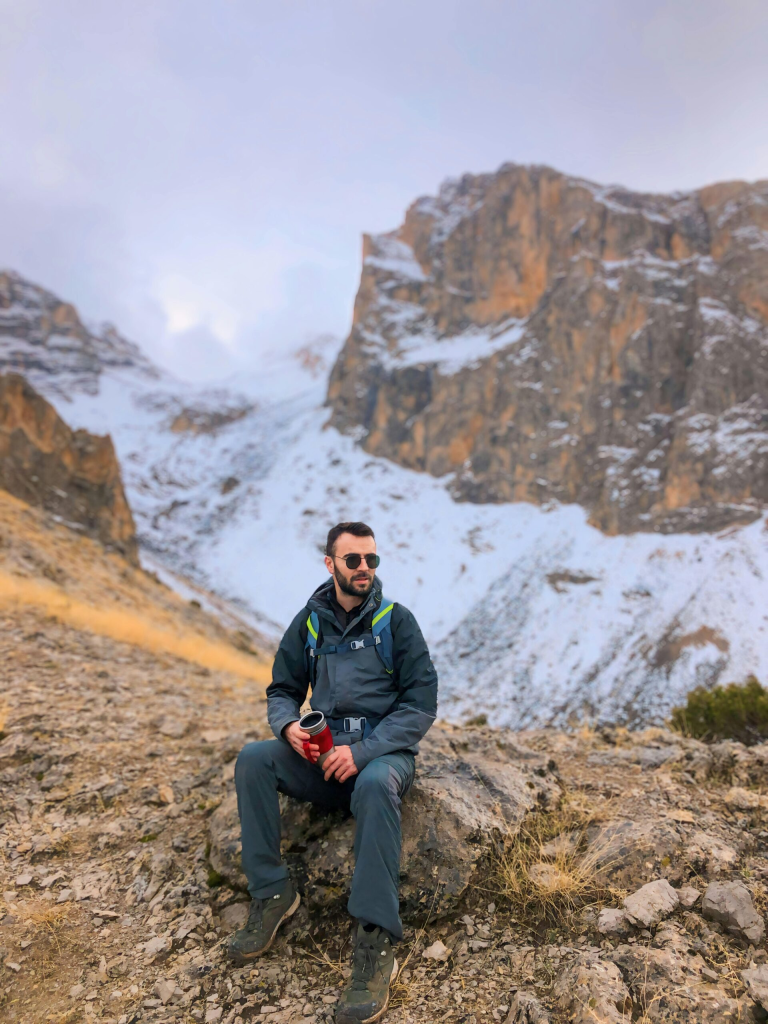
    A hiker in Colorado learned a hard lesson after spending an unexpected night on Mount Elbert. He was lost for nearly 24 hours—yet repeatedly ignored calls from search teams trying to reach him.

    He later admitted he hadn’t answered because the calls came from an unfamiliar number.

    The man set off early in the morning and was expected home that evening. When he didn’t return and stopped answering his phone, friends alerted Lake County Search and Rescue. Teams immediately launched an overnight search, worried he might be injured or stranded in the cold.

    By the next morning, the hiker finally found his way back to his car. He had unknowingly strayed from the main trail and spent hours trying to reorient himself. He told rescuers he had no idea anyone had been searching for him.

    Search and Rescue later shared a gentle reminder with the public. “If you’re overdue and begin receiving repeated calls from an unknown number, please pick up,” the team wrote. “It may be us trying to confirm you’re safe.”

    They also emphasized compassion. When someone is lost, they said, panic can cloud judgment. What seems obvious afterward may not feel obvious in the moment.

    On social media, many people reacted with humor and empathy. One commenter noted how relentless spam calls have become. Another pointed out that fear can override common sense.

    Experts advise hikers to stay calm if they lose their way. Rest, think through your route, observe landmarks, and make a plan. Use your phone if possible, signal for help, and stay visible. Most importantly—if rescuers call, answer.

Daily News