Blog

  • I died and went to heaven – there’s a surprising test you must take when you get there

    I died and went to heaven – there’s a surprising test you must take when you get there

    Amber Cavanagh, a 43-year-old mother from Canada, suffered two major strokes in December 2021. She was rushed to hospital and later flown by helicopter for emergency treatment after doctors found severe bleeding in her brain. At one point, her chances of survival were uncertain.

    Although she appeared unconscious, Cavanagh says she could hear doctors and family members speaking around her. She recalls hearing loved ones say goodbye, believing she would not survive. She describes this as one of the most terrifying moments of her life.
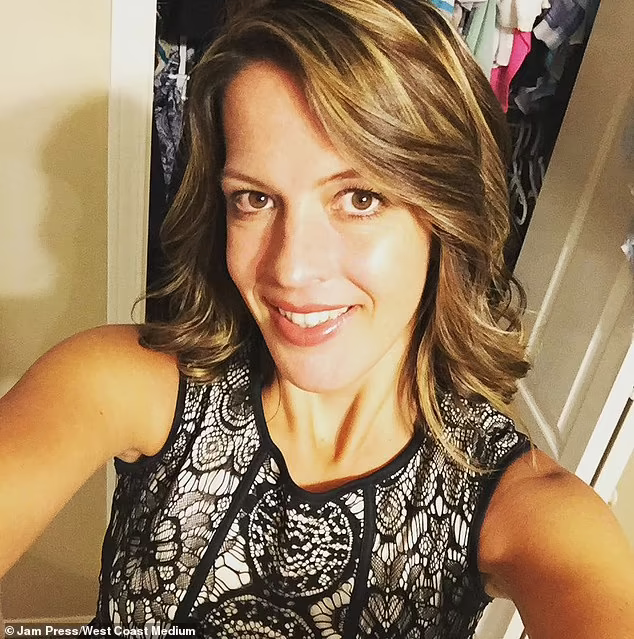
    During the crisis, she says she had a near-death experience. She felt separate from her body and described entering a peaceful place filled with light and familiar faces. She says she was given a choice: stay there or return to her family.

    Cavanagh chose to return. Doctors were surprised by her recovery. While she needed therapy and had to relearn basic skills such as walking and speaking, she improved faster than expected.
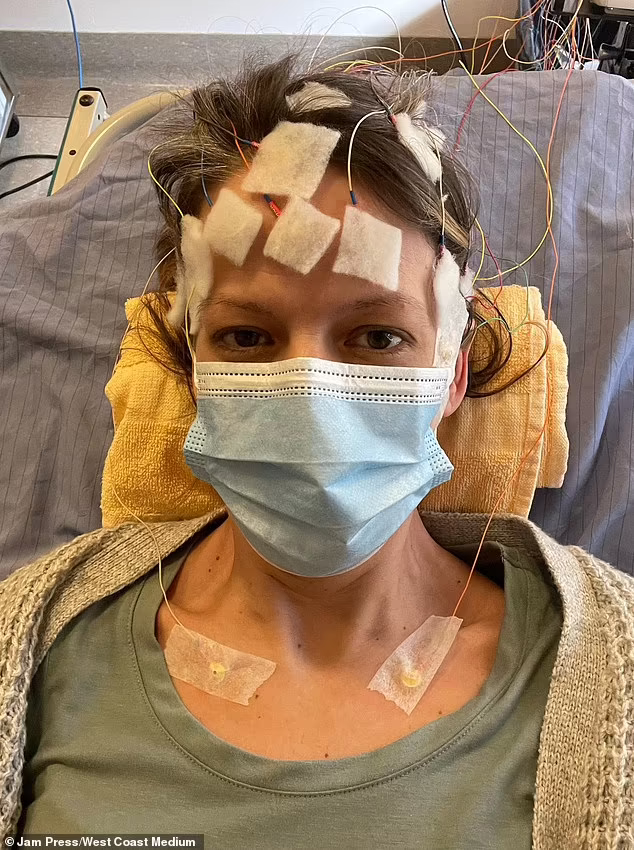
    Today, she says the experience changed her perspective. She values time with her family more deeply and encourages others to recognize stroke warning signs and seek help immediately. Although she worries about her health, she says she no longer fears death.
  • DNA Results Provide Shocking Update In Nancy Guthrie Case

    DNA Results Provide Shocking Update In Nancy Guthrie Case

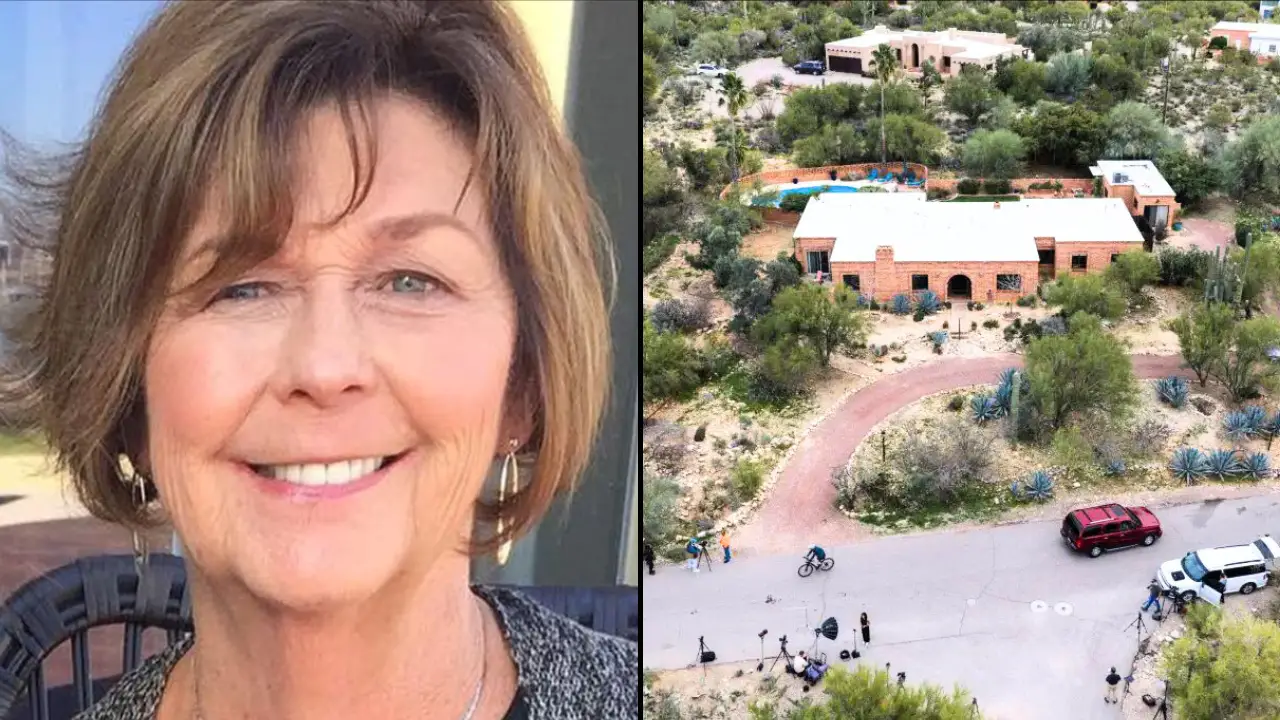
    More than two weeks after 84-year-old Nancy Guthrie disappeared from her Tucson home, investigators have faced a major setback.

    Nancy vanished on January 31. Family members say she would not have left on her own. She has limited mobility and depends on daily medication. Her pacemaker and home monitoring devices were disconnected shortly after she disappeared, raising serious concerns for her safety.

    Days later, a ransom demand seeking $6 million in bitcoin was sent to authorities. No proof of life was provided before the deadline passed. Surveillance footage later showed a masked person near Nancy’s front door in the early hours of the morning she went missing.

    A possible breakthrough came when a black glove was found about two miles from her home. Investigators tested it for DNA and submitted the results to the FBI’s national database, known as CODIS.

    This week, officials confirmed the DNA produced no matches. Separate DNA recovered from inside Nancy’s home also failed to match anyone in the database. In simple terms, the person linked to the evidence does not appear in the national criminal DNA system.

    With traditional database searches coming up empty, investigators are now turning to genetic genealogy to search for possible family connections.

    The FBI continues to offer a reward and urges anyone with information to come forward.

  • FDA recalls hugely popular beauty products linked to CANCER

    FDA recalls hugely popular beauty products linked to CANCER

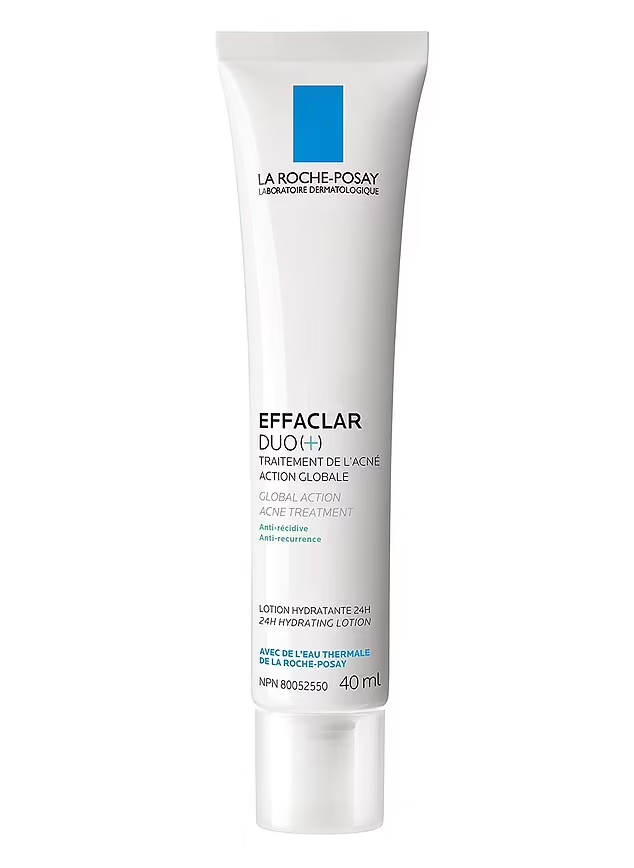
    The FDA has issued a recall for six popular beauty creams due to safety concerns. Recent testing found elevated levels of benzene, a chemical linked to cancer, in specific acne treatments. The affected products include brands such as L’Oreal, Walgreens, Proactiv, and La Roche-Posay.

    The issue involves creams containing benzoyl peroxide. Under certain conditions, such as exposure to heat, this ingredient can break down into benzene. Benzene is a known carcinogen that can interfere with how cells function. This could potentially lead to blood disorders if exposure is high and prolonged.

    The recall includes specific items like Walgreens Acne Control Cleanser and Proactiv+ Emergency Blemish Relief. These products generally have expiration dates ranging from March 2025 to March 2026. While nearly 100 creams were tested, only six showed levels high enough to trigger a store removal.

    The FDA has directed retailers to pull these items from shelves and websites. Interestingly, officials stated that consumers do not necessarily need to return products they already own. They noted that even with daily use, the actual risk of developing health problems from these specific batches remains very low.

    Benzene exposure is most concerning when it happens over a long period. In the short term, high levels can cause dizziness or headaches. This recall is a preventative step to ensure that everyday skincare products remain as safe as possible for all users.

  • Here are all the Hollywood actors named in the Epstein files as ‘all files released’

    Here are all the Hollywood actors named in the Epstein files as ‘all files released’

    The U.S. Department of Justice has released what it says is the final batch of documents related to Jeffrey Epstein.

    The files contain millions of emails, photos, and records, including a list of 305 well-known names mentioned in the material.

    Officials stressed that being named does not mean someone committed a crime. Many references involve social events, emails, or professional contact — not accusations.

    Reported figures in the documents include Kevin Spacey, Woody Allen, Robert De Niro, Alec Baldwin, Barbra Streisand, Brett Ratner, Chris Tucker, Amy Schumer, and Alyssa Milano.

    The release has renewed public attention on Epstein’s connections. Still, federal officials caution against assuming guilt based solely on a name appearing in the files.

  • Will the $2,000 Trump promised to most Americans arrive before summer?

    Will the $2,000 Trump promised to most Americans arrive before summer?

    Fresh attention is growing around a proposed $2,000 payment that Donald Trump says could be sent to many Americans in 2026. The idea has sparked strong interest, especially among middle-income households. But as of now, nothing has been approved.

    Trump has described the payment as a “tariff dividend.” He argues that revenue collected from tariffs could be returned to Americans, excluding high-income earners. He has suggested the payments could arrive before the 2026 midterm elections.

    However, there is currently no law authorizing a $2,000 check. Congress has not passed legislation. The IRS has not announced any program. No official payment schedule exists. At this stage, the proposal remains a campaign promise rather than established policy.

    Some officials have mentioned that the payments might go to families earning under $100,000 a year, though no final income limits have been set. Details about eligibility are still unclear.

    The plan may also depend on a pending decision from the U.S. Supreme Court regarding certain tariffs. That ruling could affect whether the proposal can legally move forward.

    For now, there is no confirmed fourth stimulus check. Americans are advised to treat online claims about automatic $2,000 payments with caution. Until Congress acts and federal agencies provide guidance, the proposal remains uncertain.

  • People tell me I’ve RUINED my daughter’s life with the name I chose for her – but I think it’s unique

    People tell me I’ve RUINED my daughter’s life with the name I chose for her – but I think it’s unique

    A mother has defended her decision to give her daughter an unusual name after facing heavy criticism online.

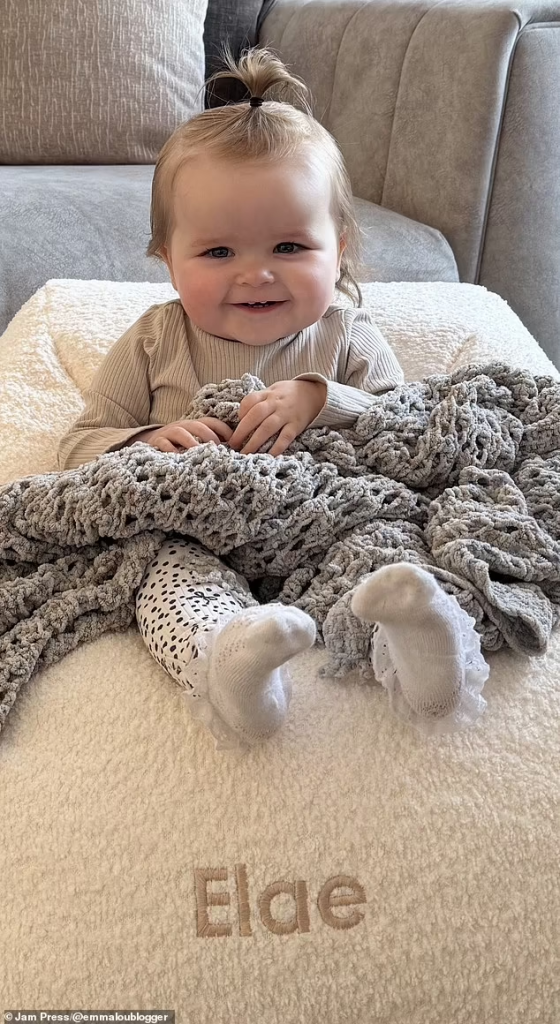
    Emma Hutton, 35, chose the name Elae (pronounced “L.A.”) for her now one-year-old daughter. She says she wanted something different because common names, including her own, felt ordinary to her. Growing up, she shared her name with many classmates and did not want the same experience for her child.

    After sharing the name on social media, Emma received strong backlash. Some people warned that her daughter could face bullying. Others mocked the choice and questioned her judgment. Emma says she finds it upsetting that adults would post negative comments about a child.

    Although some family members were unsure at first, she says they have since grown to like the name. Emma admits her daughter may need to correct people who mispronounce it, but she believes many children today have unique names.

    She remains confident in her decision and says she has no regrets. For her, choosing a distinctive name was about individuality, not attention. She hopes people will show more kindness and accept that parents have different tastes when naming their children.

  • MMA Star Dies Suddenly After Intense Exercise Aged 21

    MMA Star Dies Suddenly After Intense Exercise Aged 21

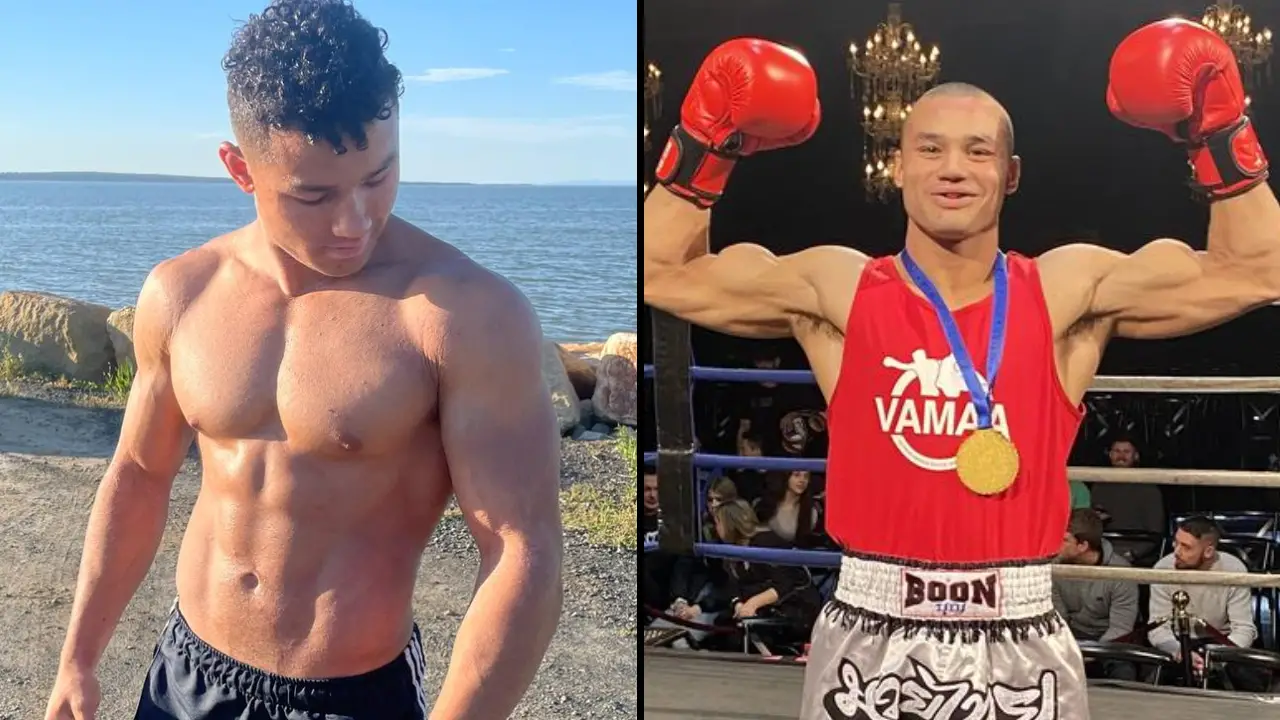
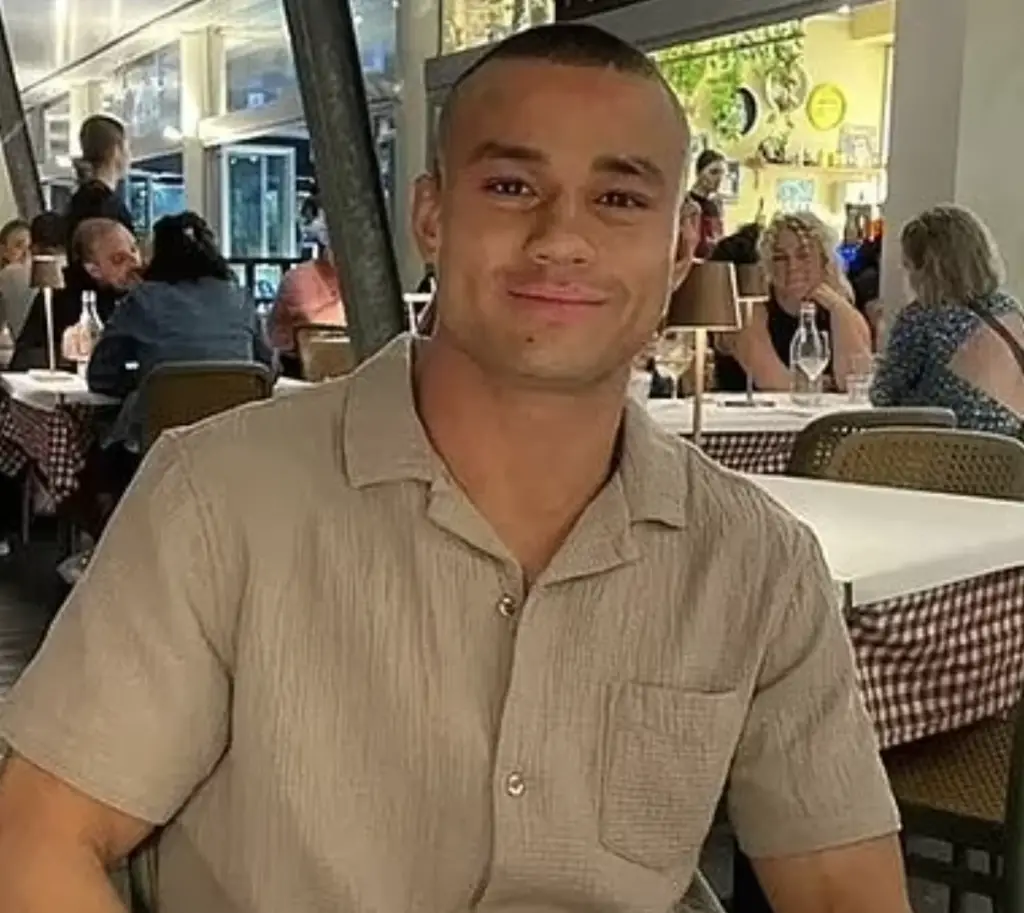
    The sporting world is mourning the loss of 21-year-old MMA fighter Jake Sendler. The young athlete died following a severe medical crisis triggered by intense exercise and extreme weight loss. His family is now sharing his story to warn other athletes about the hidden dangers of overtraining.

    The cause of death was rhabdomyolysis, a rare but life-threatening condition. This occurs when muscles break down so rapidly that they release toxic fibers into the bloodstream. These toxins can quickly overwhelm the kidneys, leading to organ failure and death.

    Before his final fight, Sendler attempted to lose nearly seven percent of his body weight in just two days. This practice, common in some competitive sports, placed immense stress on his system. Doctors noted that his case was one of the most severe they had ever seen.

    Sendler had experienced warning signs, including severe muscle pain and dark-colored urine. However, he mistook these symptoms for the normal aches of a hard workout. By the time he entered the ring, his kidneys were already failing, yet his determination pushed him to finish the match.

    His mother is now urging everyone to listen to their bodies. She hopes to raise awareness about “rhabdo” to prevent similar tragedies. Her message is clear: while chasing dreams is important, health and safety must always come first.

  • Paralyzed man who became first to receive Elon Musk’s Neuralink chip reveals how it has changed his life

    Paralyzed man who became first to receive Elon Musk’s Neuralink chip reveals how it has changed his life

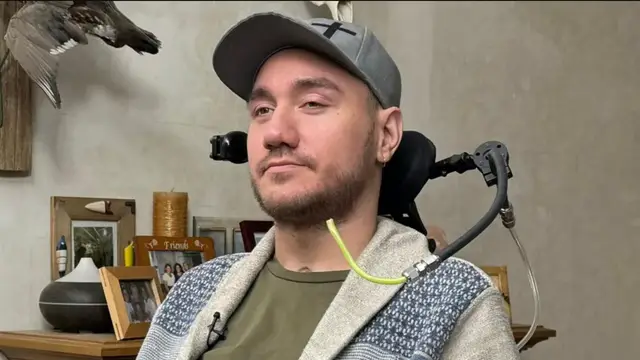
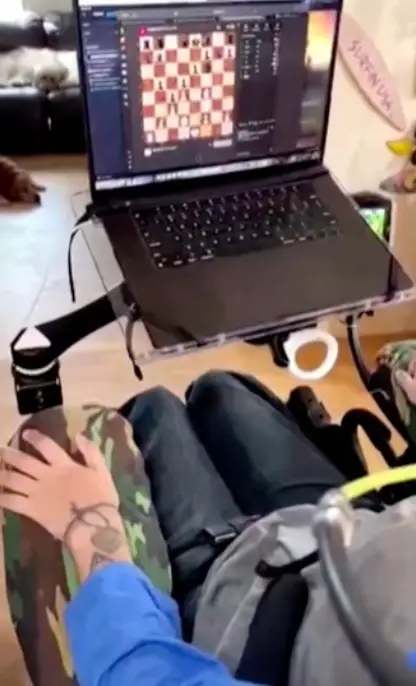
    Noland Arbaugh, a paralyzed man from Arizona, became the first person to receive Neuralink’s ‘mind-reading chip’ in January 2024. Paralyzed from the shoulders down since a 2016 diving accident, he once feared losing his independence entirely. “You just have no control, no privacy, and it’s hard,” he said.

    The Neuralink chip, developed by Elon Musk’s neurotechnology company, allows Noland to control a computer using only his thoughts. The chip detects brain activity and translates it into digital commands. Immediately after surgery, he was able to move a cursor just by thinking about it. “Honestly, I didn’t know what to expect – it sounds so sci-fi,” he admitted.

    With practice, Noland has refined his control, even playing video games and beating friends. “Which really shouldn’t be possible but it is,” he said. While not the first brain-computer interface, Neuralink’s technology has propelled the field forward.

    Despite its promise, concerns remain. Neuroscientist Anil Seth warns that “once you’ve got access to stuff inside your head, there really is no other barrier to personal privacy left.” Noland also experienced setbacks when the device briefly lost connection. However, he remains hopeful, envisioning future advancements like controlling his wheelchair or even a robot.

  • A woman called the ‘Bikini Tradie’ says she should be able to work topless on hot days just like her male co-workers

    A woman called the ‘Bikini Tradie’ says she should be able to work topless on hot days just like her male co-workers

    Australia’s trade sites love to talk toughness. Yet some rules still feel stuck in the past.

    Shianne Foxx, a Sydney landscaper who calls herself the “Bikini Tradie,” says she’s hit a sweaty, unfair wall. On scorching days, the blokes on site can ditch their shirts. Meanwhile, she’s told she can’t. Why? Because it might “distract” the men.

    That’s the problem. When the thermometer climbs, comfort becomes a workplace issue. Yet the standard changes depending on who’s overheating.

    Same heat, different rules

    Foxx shared her frustration in a quick TikTok after work. It was about 40°C, she said. The guys went shirtless. She stayed covered. Then came the kicker: she was warned her body would be the distraction, not the heat.

    That’s a fast way to turn a job site into a double standard. It also puts the burden on her to manage other people’s reactions.

    Foxx argues it shouldn’t be controversial. Breasts exist. Adults can handle that fact. Besides, if shirtless work is acceptable for men, the industry needs a better answer than “boys will be boys.”

    Her post sparked plenty of debate. Still, lots of commenters backed her to raise it with her boss.

    And honestly, that’s the point. Respect at work shouldn’t melt the moment summer hits.

  • I let my husband sleep with my bridesmaid on our wedding night – it doesn’t bother me but family say it’s disgusting

    I let my husband sleep with my bridesmaid on our wedding night – it doesn’t bother me but family say it’s disgusting

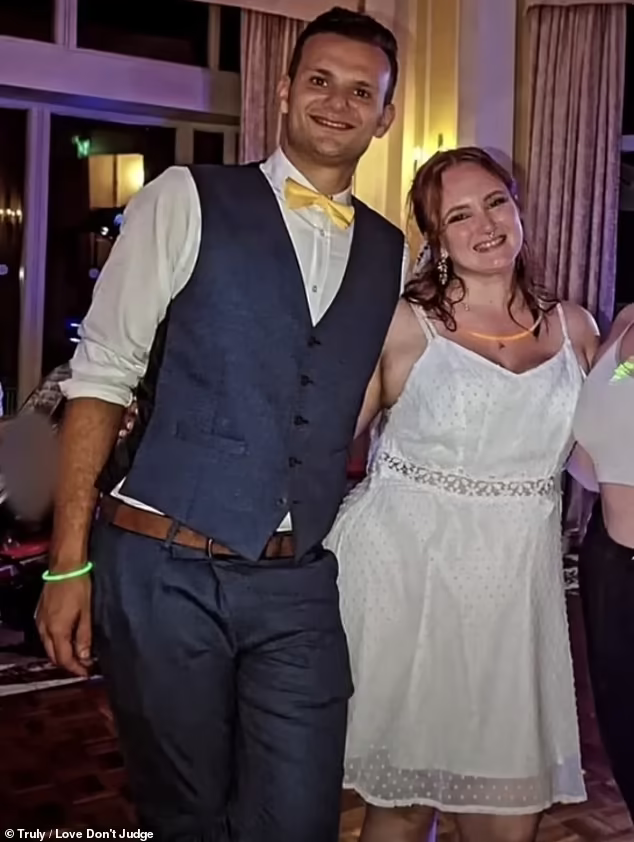
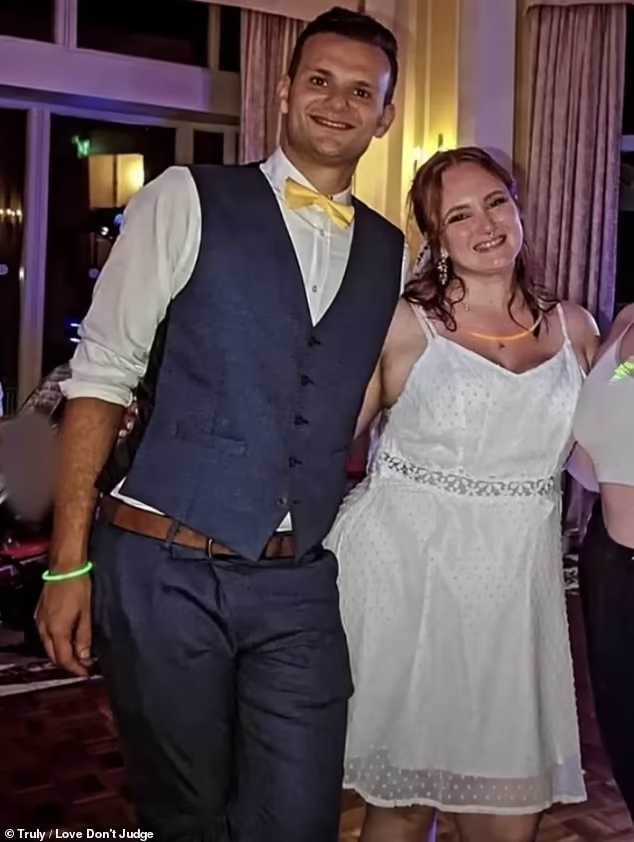
    Katey and Dan planned a small wedding in Torquay. They wanted an easy day, good food, and people who cheered them on. They got that. What they did not get, however, was their family’s blessing.

    After six years together, the Plymouth couple had already talked openly about fantasies and boundaries. Over time, they chose an open relationship. They say honesty keeps it steady. They also say curiosity keeps it fun.

    So on their wedding night, they followed the rules they had already agreed on. Katey invited one of her bridesmaids—also a close friend—up to the room. They shared drinks. Then they shared intimacy. Katey says the moment felt comfortable, not reckless. Dan says the timing made it unforgettable.

    The backlash came fast. Katey’s relatives called the choice “disgusting.” They also assumed Dan pushed for it. As a result, some family members skipped the wedding and stopped speaking to her.

    Still, Katey refuses to frame her marriage as a scandal. She describes it as a partnership with clear communication and consent. Yes, jealousy showed up early on. But the couple says they learned to talk through it instead of pretending it didn’t exist.

    In the end, Katey measures her wedding day by who showed up with love—not who stayed away with judgment.

Daily News