Category: News

Latest breaking news and trending stories from around the world,
delivered with accuracy and clarity.

  • Model With ‘World’s Biggest Cheeks’ Shares Unrecognisable Photos From Before Transformation

    Model With ‘World’s Biggest Cheeks’ Shares Unrecognisable Photos From Before Transformation

    A model known for having the “world’s biggest cheeks” has stunned the internet by sharing rare photos from before her extreme cosmetic transformation. Ukrainian influencer Anastasia Pokreshchuk has spent years reshaping her face with fillers, gaining massive attention for her dramatically enlarged cheekbones.

    Pokreshchuk began getting fillers in her twenties and has continued adding to her look ever since. Along the way, she also had veneers, Botox, breast implants, and even a Brazilian butt lift. But it’s her exaggerated cheek fillers that made her instantly recognizable—and often controversial—online.

    Despite the criticism she receives, Pokreshchuk is unapologetic. She says she loves her appearance and frequently does her own injections. She acknowledges that her look may seem strange to others, but insists she’s happy and confident. What bothers her most, she says, is the cruelty she faces from trolls, though she claims she simply laughs it off.

    On the flip side, she says her friends and family support her choices. Her mother preferred her natural face but now calls her “exotic,” while fans in real life often ask for hugs and photos. Pokreshchuk insists she doesn’t let online negativity shape how she feels about herself.

    The release of her old photos on TikTok surprised many viewers. Some were shocked at how different she once looked, calling her natural face “beautiful” and “soft.” Others praised her bold transformation and celebrated her unique definition of beauty.

    Through all the reactions, Pokreshchuk stands firm. She says her face, her choices, and her life are hers alone—and she has no plans to slow down anytime soon.
  • People Are Only Just Finding Out What Paprika Is Actually Made From

    People Are Only Just Finding Out What Paprika Is Actually Made From

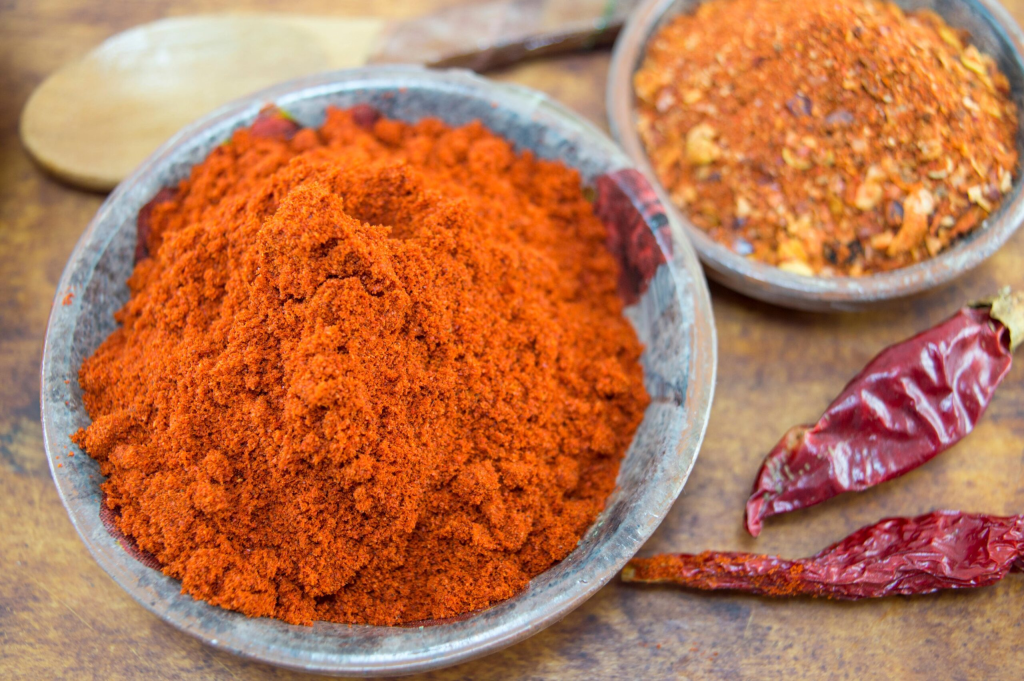
    The internet is buzzing after many people admitted they had no idea what paprika is actually made from. Even though the spice shows up in dishes like paella and chicken fajitas, countless social media users confessed they assumed it came from a special tree or a blend of mysterious ingredients.

    The confusion erupted after Nutra Organics shared a simple explanation on Instagram. The post stunned followers, with many admitting they had spent years believing paprika was its own unique spice. Some joked they felt embarrassed to learn the truth so late in life.

    What makes the mix-up so common is that paprika’s name doesn’t reveal anything about its source. Unlike cumin or coriander, which come directly from seeds with the same name, paprika doesn’t hint at its origins. And once peppers are dried and ground into a fine red powder, the connection isn’t obvious.

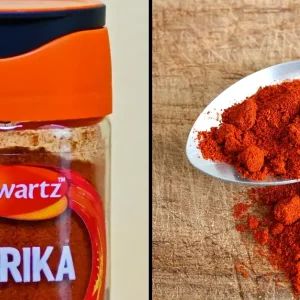
    The reality is much simpler: paprika comes from bell peppers, also known as sweet red capsicums. These peppers are dried and crushed until they form the vibrant powder found in spice jars around the world. That’s it—no special tree, no secret plant.

    Different preparation methods create different flavors. Some paprika is mild and sweet, while others are hotter or smoky. The smokiest varieties come from peppers dried over an oak fire before being ground, a technique often used in Spanish cooking.

    In the end, paprika is just another way to enjoy everyday peppers—proof that even the most familiar spices can surprise us once we learn where they really come from.

  • People Urge Woman To ‘Divorce’ Husband Over His ‘Toxic’ Act At Marathon Finish Line

    People Urge Woman To ‘Divorce’ Husband Over His ‘Toxic’ Act At Marathon Finish Line

    A viral TikTok video has ignited a fierce debate after a woman’s husband interrupted her final moments of a marathon. The clip shows the runner pushing through the last stretch of her race, only to have her husband encourage their children to run toward her as she approached the finish line.

    Many viewers saw the moment as deeply disrespectful. Commenters argued that the woman had clearly trained hard and deserved to cross the line without distraction. Some even claimed the husband’s timing felt like an attempt to steal her spotlight, calling his behavior “toxic” and “thoughtless.”

    Others pointed out how often women’s goals outside of family life get treated as hobbies rather than serious commitments. For them, this moment symbolized a larger issue: a lack of acknowledgment for the time, effort, and discipline required to complete a marathon.

    But not everyone agreed. Some viewers defended the husband, saying the short clip didn’t offer enough context to label him as harmful. They argued that he may have simply wanted a sweet family moment and misjudged the timing.

    In the video, the runner chooses to sidestep her children and finish the race uninterrupted. She crosses the line with a triumphant scream, while her husband stands confused, shrugging toward someone off-camera as if unsure what went wrong.

    @sinomar_reporter

    Emocionante chegada da campeã da 2.a Meia Maratona @ladeirasdapenha , @lu_grandi seguida de perto pela vice campeã @leticia.dermatologista

    ♬ som original – Sinomar_Reporter

    The incident has sparked a wider conversation about respect in relationships. Many say true support means understanding your partner’s goals and recognizing when a moment belongs to them alone. The husband at the center of the controversy has not commented on the backlash.

  • Woman opens up after completing $162,000 ‘Frankenstein’ surgery that extended her legs by 5.5 inches

    Woman opens up after completing $162,000 ‘Frankenstein’ surgery that extended her legs by 5.5 inches

    A woman who underwent a controversial “leg-lengthening” surgery is opening up about her experience, admitting she now feels ashamed of the decision. Theresia Fischer, a model and reality TV personality, paid more than $160,000 for the procedure, which added 5.5 inches to her height and pushed her from 5’6″ to six feet tall.

    Fischer says she was only 24 when she agreed to the operation and now believes she was influenced by an ex-partner. She recalls him repeatedly telling her she needed him, a message she heard so often that she began to doubt her own worth. That pressure, she says, pushed her toward a surgery she never truly wanted.

    In a recent update, Fischer revealed she has finally had the metal rods removed from her legs. She shared her relief online, calling it “the day of days” and saying the eight years of physical and emotional pain were beyond description. Despite reaching the height she once thought she wanted, she now struggles with the emotional aftermath of the decision.

    The surgery itself was intense. Doctors broke her shin bones, split her calf muscles, and inserted telescopic rods that she had to manually adjust each day. The slow, clicking process stretched her bones millimeter by millimeter, forcing her body to adapt through constant strain.

    Her regrets run deep. Fischer says she feels embarrassed that she allowed someone else’s influence to shape her body and her choices. She had always been happy with her appearance until pressure and insecurity clouded her judgment.

    The long-term consequences have been costly. Beyond the financial price, Fischer developed a chronic condition called periosteum inflammation, leaving her with lingering pain and ongoing health challenges. Her story, she says, is a warning about the emotional risks behind extreme cosmetic procedures.

  • Horrifying Moment Orca Came To Viewing Window With Dead SeaWorld Trainer In Its Mouth

    Horrifying Moment Orca Came To Viewing Window With Dead SeaWorld Trainer In Its Mouth

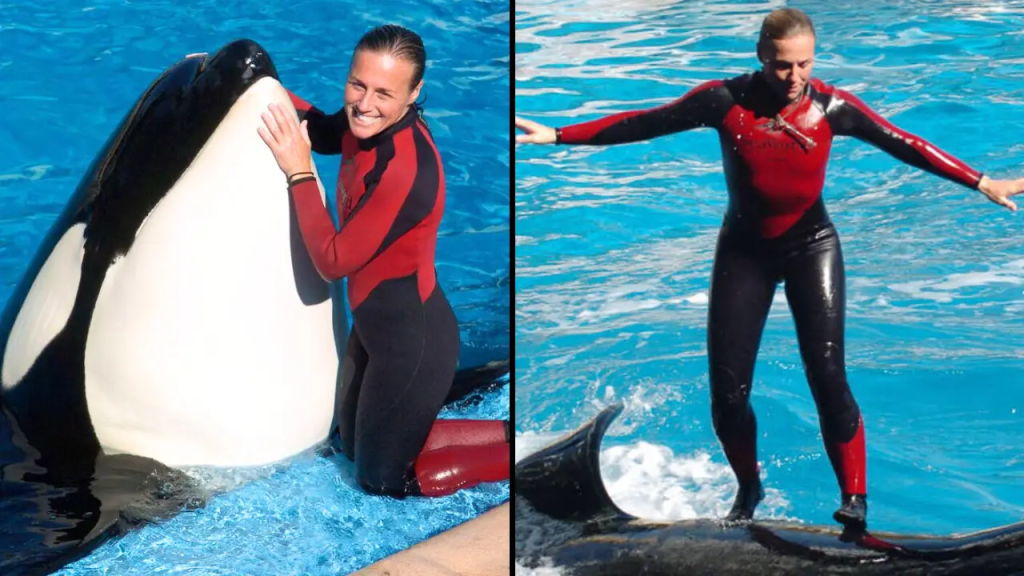
    The heartbreaking final moments of SeaWorld trainer Dawn Brancheau have resurfaced, reminding many of the dangers tied to keeping orcas in captivity. Her death in 2010 became a turning point in the conversation after the documentary Blackfish highlighted her story and raised questions about the welfare of both whales and trainers.

    Brancheau was a seasoned professional who worked closely with Tilikum, a massive orca who was one of the park’s star attractions. The two performed together regularly, and many colleagues admired their strong bond and her dedicated approach to animal care.

    But during a show on February 24, 2010, everything changed. While Brancheau lay at the pool’s edge during the finale, Tilikum suddenly pulled her into the water. Visitors watched in shock as the orca behaved unpredictably, leaving staff scrambling to move crowds away and respond.

    Witnesses reported seeing Tilikum repeatedly dive with Brancheau in his grip, making rescue attempts nearly impossible. For roughly 45 minutes, SeaWorld teams tried desperately to intervene, but the situation quickly grew beyond their control.

    When Brancheau was finally brought out of the water, the tragedy was clear. Authorities later confirmed she had died from drowning and severe trauma. The incident devastated colleagues and visitors, many of whom had believed the pair shared a deep and trusting relationship.

    Brancheau’s death became a catalyst for change. SeaWorld ended its orca breeding program, and trainers were no longer permitted to swim with killer whales during shows. Tilikum, who had been involved in previous incidents, remained out of performances until his death in 2017, leaving behind one of the most discussed and painful chapters in marine park history.

  • Nurse Says Most People Say The Same Thing Before They Die

    Nurse Says Most People Say The Same Thing Before They Die

    A hospice nurse from Los Angeles is gaining attention online for opening up an often avoided conversation: what really happens at the end of life. Julie, known on TikTok as @hospicenursejulie, uses her platform to educate people about death, comfort families, and share the wisdom she’s gathered from years of caring for terminal patients.

    Her videos highlight the emotional and spiritual side of hospice work. Viewers regularly thank her for her compassion, saying her gentle explanations help them understand what loved ones experience in their final days. Many describe her content as calming and reassuring during heartbreaking moments.

    In interviews, Julie says the most meaningful part of her job is preparing families for what to expect. She explains the common physical changes that happen near death, such as shifts in breathing, skin color, and levels of consciousness. Though these signs can be frightening, she stresses they are normal and not painful for the patient.

    Julie also talks openly about the “actively dying phase,” which usually lasts around three days. During this time, the body naturally slows down. She says that rather than intervening, it’s often best to let the body follow its own peaceful process.

    But the insight that touches people most is what patients often say before they pass. According to Julie, many whisper “I love you,” while others call out for their mother or father—usually long gone. She says these final words reflect deep emotion and a sense of connection that remains even at the very end.

    Through her work, Julie hopes to make conversations about death less frightening and help families feel supported during life’s most difficult transition.

  • Man slammed as ‘utterly disgusting’ after bragging about how he saves $153 a week while eating out

    Man slammed as ‘utterly disgusting’ after bragging about how he saves $153 a week while eating out

    A Los Angeles diner has sparked a heated debate online after proudly revealing how he saves money by never tipping. The anonymous TikToker, who runs an account dedicated to his “no-tip lifestyle,” claims he saved more than $150 in a single week simply by refusing to leave extra cash.

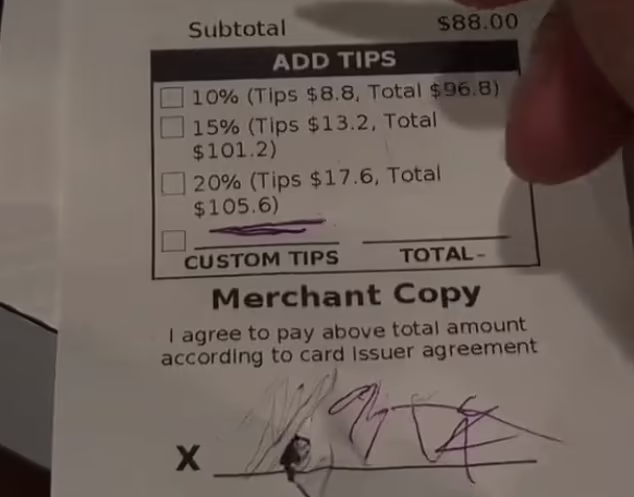
    In his videos, he takes viewers along as he visits cafés, upscale restaurants, and bars—always ending each outing with a $0 tip. Even when he compliments the service, he shows the bill and the tip line left blank. One clip shows him skipping a gratuity on an $88 tab; another captures him avoiding a $77 tip on a pricey dinner.

    His videos have divided social media. Some praise him for rejecting what they see as out-of-control tipping culture, calling him an “inspiration.” Others argue that he’s being selfish and disrespectful, especially in an industry where many workers rely heavily on tips to make ends meet.

    The diner says he began this anti-tipping routine after being shocked at a bakery that suggested a $3 tip on a $3 Danish. To him, the growing pressure to tip at every turn pushed him to draw a line—and document the process publicly.

    His weekly spending came to $674, but including standard 20 percent tips would have pushed the total above $800. He sees this difference as proof that tipping culture has gone too far.

    But critics insist that skipping tips hurts workers, not businesses. Many remind him that servers and bartenders depend on gratuities, even in states like California where base pay is higher. The debate shows no signs of slowing as his account continues to gain traction.

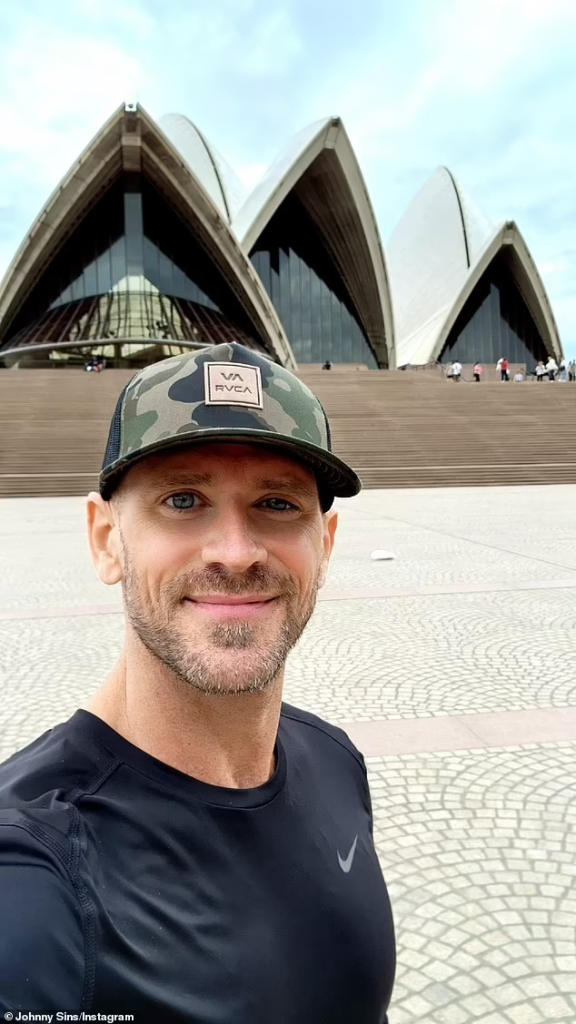
  • World’s biggest male porn star Johnny Sins says he can give women up to 20 orgasms during sex as he reveals what regular guys are doing WRONG in the bedroom

    World’s biggest male porn star Johnny Sins says he can give women up to 20 orgasms during sex as he reveals what regular guys are doing WRONG in the bedroom

    Johnny Sins, one of the most recognizable figures in the adult industry, is sharing what he believes most men get wrong in the bedroom. With a long career and a massive online following, he says his success comes from focusing on his partner rather than himself.

    Speaking ahead of an event in Sydney, he explained that many men approach intimacy with a selfish mindset. According to him, too many rush toward their own satisfaction without paying enough attention to their partner’s experience. He believes this attitude leads to disappointing encounters for both sides.

    Johnny says his own approach is the opposite. He describes himself as a “pleaser” and emphasizes taking time, being attentive, and making sure his partner feels valued. For him, the connection and the shared experience matter far more than speed or performance.

    He also notes that many men ask him how they can improve physically, especially regarding size. Johnny is straightforward about this topic, saying that outside of risky procedures, there is no safe way to change it—and that men should focus instead on what they can control: communication, patience, and effort.

    His growing popularity has brought these conversations to a wider audience. After years in the industry, his profile skyrocketed thanks to internet memes and social media trends, turning him into a recognizable figure far beyond adult film.

    As he prepares for appearances and fan events in Australia, Johnny continues to encourage men to rethink their priorities. His message is simple: great intimacy starts with paying real attention to your partner.

  • Missouri woman accused of trying to kill husband by poisoning his Mountain Dew because he ‘didn’t appreciate’ everything she does for him

    Missouri woman accused of trying to kill husband by poisoning his Mountain Dew because he ‘didn’t appreciate’ everything she does for him

    A Missouri woman has been accused of attempting to kill her husband by secretly poisoning his Mountain Dew. Investigators say 47-year-old Michelle Peters admitted to mixing toxic chemicals into his soda after growing angry and feeling unappreciated in their marriage.

    According to authorities, the poisoning attempt happened several times between May and June. The husband first noticed a strange taste in his drink but kept consuming it. Soon, he developed symptoms including nausea, diarrhea, a sore throat, and vomiting, raising his suspicion that something was wrong.

    His concern grew when he realized he was the only person in the home who drank Mountain Dew. After confronting Peters and receiving vague explanations, he set out to uncover the truth. Video footage later captured her adding insecticide to the bottles stored in their garage refrigerator.

    When questioned by police, Peters gave shifting explanations. She claimed she mixed Roundup with the soda intending to use it as a weed killer, then later said she confused the Mountain Dew with a bottle of chemicals. She also admitted she was upset with her husband and wanted to be “mean” to him after he failed to appreciate a birthday celebration she planned.

    The victim told authorities he feared the poisoning attempt may have been linked to his $500,000 life insurance policy. Glyphosate, the active chemical in Roundup, can be deadly when ingested.

    Peters was arrested and is being held without bond as she awaits a court hearing on July 2. Her husband survived the ordeal, though his current condition has not been disclosed.

  • Sex expert reveals why women should wait until they’re engaged before sleeping with a man

    Sex expert reveals why women should wait until they’re engaged before sleeping with a man

    A sex expert is urging women to rethink how early they become intimate while dating. Louise Perry, known for her blunt views on modern relationships, believes women should wait until they’re engaged before sleeping with a man. She argues that jumping into bed too soon brings emotional risks many women don’t anticipate.

    During an interview on The Diary of a CEO podcast, she explained that early intimacy can create a strong emotional bond, especially for women. She says many go along with casual sex to seem easygoing, even when it doesn’t feel right. That disconnect, she adds, often leads to regret once the moment has passed.

    Perry also believes that today’s dating culture lacks clear rules, leaving both men and women confused. She says men struggle with social cues, while women struggle to express boundaries without sounding unfriendly. Waiting until engagement, she argues, removes this tension and keeps emotions from getting tangled too early.

    Her warning focuses heavily on the “repercussions of casual sex.” She noted that many women report feeling “disgusting” after one-night stands, especially when alcohol is involved. In her view, this pattern shows that casual intimacy often clashes with what women actually want.

    Perry also frames the issue around reproduction. She says that if a woman can’t imagine having a child with a man, she shouldn’t be sleeping with him. To her, sex without long-term trust or commitment is simply too high-risk.

    While she admits her advice is hard to follow in today’s dating world, Perry believes it offers a clearer path to genuine commitment—and healthier relationships in the long run.

Daily News