Category: News

Latest breaking news and trending stories from around the world,
delivered with accuracy and clarity.

  • Trump ally makes scathing threat for any US ‘sniper tourists’ who allegedly paid $90,000 to shoot people on ‘human safari’ trips

    Trump ally makes scathing threat for any US ‘sniper tourists’ who allegedly paid $90,000 to shoot people on ‘human safari’ trips

    Shocking claims from Europe suggest that wealthy “tourists” once paid enormous sums—up to $90,000—to shoot innocent civilians during the Bosnian War. These so-called sniper tourists allegedly traveled from Western countries and fired on men, women, and even children trapped in Sarajevo’s long and brutal siege.

    For many Americans, this feels impossible to imagine. We grew up hearing war stories—but not this. Not people treating a suffering city like a hunting ground.

    Italian journalist Ezio Gavazzeni says he uncovered evidence showing these visitors bought packages that allowed them to pick targets. Prices even changed depending on the victim’s age. He described it as a “manhunt for fun”, carried out by people who loved guns and had no political motive—only thrill-seeking cruelty.

    Then came the turning point.
    Florida Congresswoman Anna Paulina Luna, a vocal Trump ally, issued a sharp warning on X.
    “If any Americans took part in this,” she wrote, “they deserve to be charged and prosecuted.”
    Her message hit with the force of a gavel. No excuses. No soft landing.

    Investigations are now underway in Italy and Bosnia. Prosecutors are trying to identify who was involved—possibly more than 100 people. And the Bosnian Consulate in Milan says they are eager to expose the truth and finally close this haunting chapter.

    As we hear these claims decades later, we’re reminded of something simple and heartbreaking: some wounds never fade until justice arrives.
    And for Sarajevo, that moment may finally be approaching.
  • How long it takes for lungs to heal from vaping and exactly when it causes permanent damage

    How long it takes for lungs to heal from vaping and exactly when it causes permanent damage

    Many people don’t think twice before taking another soft pull from a vape.
    But our lungs remember every single breath, and that truth can hit hard once problems begin.

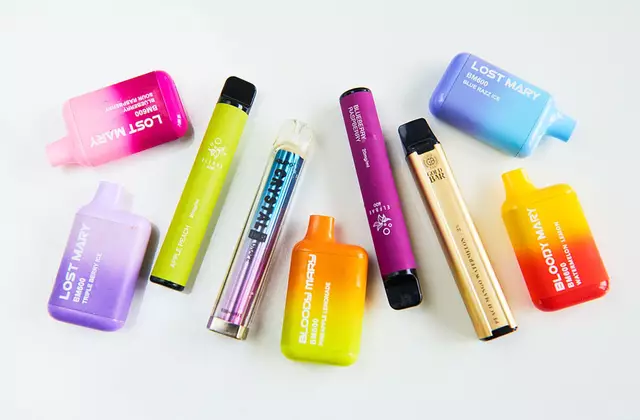
    For years, vaping was sold as the healthier path compared to smoking. Sleek devices, fruity flavors, and “clean vapor” made it feel harmless, especially to younger users. Today, vape shops sit on almost every corner, and millions use them daily without thinking about what’s happening inside their chests.

    But doctors are seeing something different.
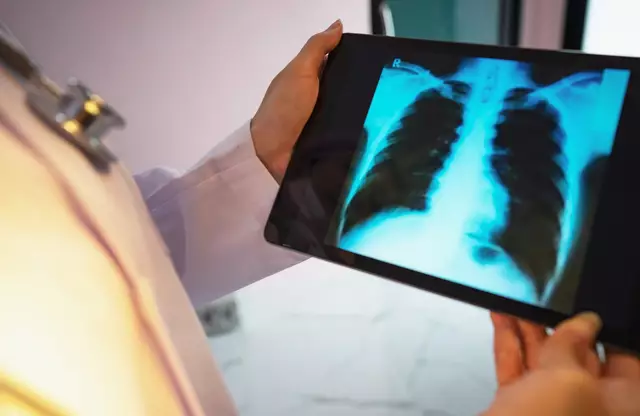
    Hospital visits for vape-related breathing issues have risen sharply. Some stories feel like warnings written in bold letters—like the man who vaped every ten seconds until his body finally gave out, or the long-term vaper whose lung collapsed after nine years.

    Still, not all damage is final.
    Experts say lung cells can repair themselves if scarring isn’t severe. Rehab 4 Addiction notes that the lungs have a “remarkable capacity” to heal from irritation, inflammation, and even early fibrosis. For many people, quitting vaping gives the lungs time to rebuild.

    Then comes the turning point:
    If someone develops EVALI—vaping-related lung injury—the damage may never reverse.
    Shortness of breath, chest pain, and persistent cough can be early signs. In severe cases, oxygen levels drop dangerously low. A few patients have died, though those cases remain rare.

    As one specialist explained, “Our lungs aren’t built to absorb chemicals for fun.”
    They’re busy keeping us alive—exchanging oxygen, fighting infections, and working long after our energy fades. Lung function naturally drops after our mid-20s. Add vaping on top, and time runs out faster.

    In the end, the message feels simple and deeply human:
    Protect your lungs now, so you can breathe freely later.

  • Popular UK crisp flavour is being banned across Europe over worrying health concerns

    Popular UK crisp flavour is being banned across Europe over worrying health concerns

    Across the UK, crisps aren’t just a treat. They’re a tradition. A meal-deal essential. A comforting crunch on a long day. And for many vacationers, nothing feels more nostalgic than sitting on a sunny balcony abroad with a cold drink and a bag of smoky bacon crisps.

    But that moment is about to disappear across much of Europe.

    The European Union has announced a coming ban on smoky bacon flavoring after new research raised worrying health concerns. Scientists with the European Food Safety Authority (EFSA) reviewed several artificial smoke ingredients and found potential links to genotoxicity—a process that can damage cell DNA.

    The turning point in their findings comes in one chilling line:
    “A safe level cannot be defined.”

    That statement changed everything.

    EFSA’s report suggests that certain smoke flavorings may increase the risk of cell mutations, which can contribute to cancers and inherited diseases. With concerns impossible to rule out, EU member states voted to phase out the flavor entirely. Manufacturers now have two years to remove smoky bacon from crisps, sauces, soups, and any food using the additive.

    Snack companies strongly disagree, arguing there’s no proven direct link to cancer. But the EU decided to lean on caution—and protect consumers from a “worst-case scenario.”

    For many travelers, it means one small pleasure will vanish from holiday shelves. But the gentle reminder is clear: sometimes safety means letting go of the familiar.

    And while smoky bacon may disappear in Europe, the memories it carries—lazy afternoons, shared snacks, simple joy—are harder to ban.

  • Woman Who Lost Her Entire Forehead Warns People Not To Put Feet On Dashboard

    Woman Who Lost Her Entire Forehead Warns People Not To Put Feet On Dashboard

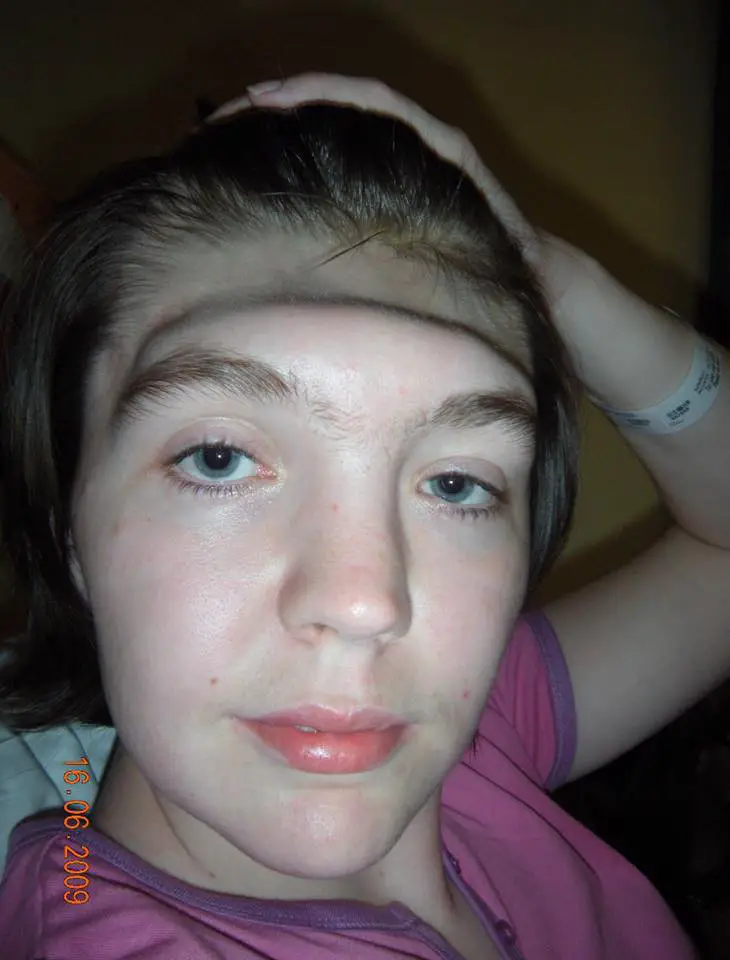
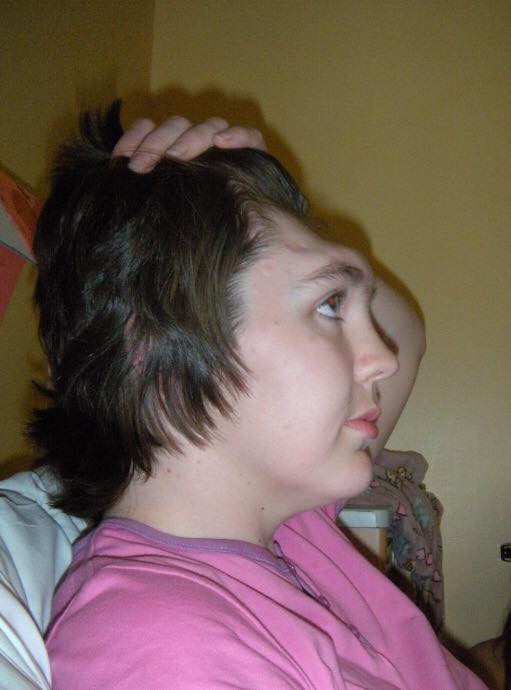
    Gráinne Kealy, a young woman from Ireland, was just 22 when a simple, comfortable choice changed her life forever. She was riding in her boyfriend’s jeep on a cold winter day in 2006. Like so many passengers do, she lifted her feet onto the dashboard, thinking nothing of it.

    Moments later, the jeep hit black ice.

    The airbags exploded open at nearly 200 miles per hour, slamming her knees into her face. Every major bone in the center of her face shattered.
    The turning point of her story comes with her own haunting words:
    “Not wanting to look at your own face is difficult.”

    Her injuries were so severe that surgeons had to remove her entire forehead, leaving her with a brain injury, lost teeth, and a long, painful recovery. For two years, Gráinne lived without a forehead until doctors finally reconstructed one using ceramic in 2009.

    Her physical pain was immense—but the emotional pain was worse. Strangers stared. Children whispered. Mirrors became her enemy. Yet she held on.

    Today, she uses her experience to warn others. She posts photos, speaks openly, and begs passengers not to rest their feet on dashboards—especially as she still sees celebrities glamorizing the pose online.
    “It breaks my heart,” she says. “They don’t realize how dangerous it is.”

    The response to her story has been overwhelming. People from around the world have thanked her for saving lives through her honesty. Some comments are cruel, but many more are kind—and full of gratitude.

    Gráinne’s message stays with you long after you hear it:
    One small habit can change everything. Protect yourself while you still can.

  • Reese Witherspoon’s Daughter Ava Phillippe Speaks Out After Coming Out As LGBTQ+

    Reese Witherspoon’s Daughter Ava Phillippe Speaks Out After Coming Out As LGBTQ+

    Some moments online feel bigger than a simple post.
    They feel like someone finally breathing freely.
    That’s what happened when Ava Phillippe, the 24-year-old daughter of Reese Witherspoon, shared a heartfelt Pride Month message about her sexuality.

    Ava grew up in a family many Americans feel they already know. Reese, now 48, has always been open about raising children who think for themselves—Ava, Deacon, and Tennessee. And she has always encouraged them to find their own path with honesty and confidence.

    But this chapter belongs to Ava.

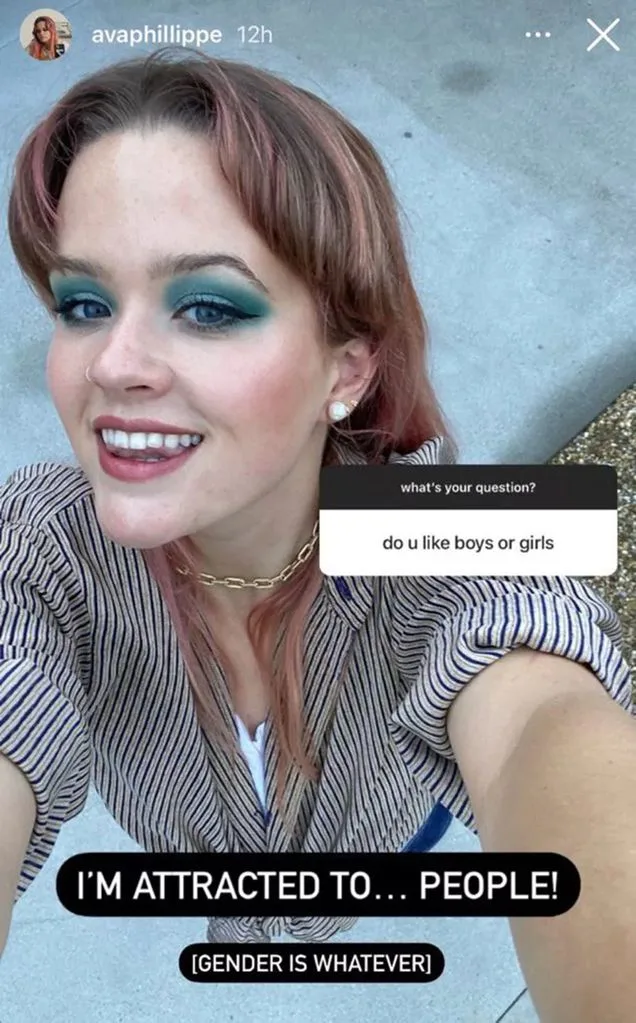
    Earlier hints about her sexuality surfaced in 2022, when she told followers she is “attracted to… people,” adding, “Gender is whatever.” It was a simple, powerful moment—one that many understood as an expression of pansexuality. Now, she’s speaking even more openly.

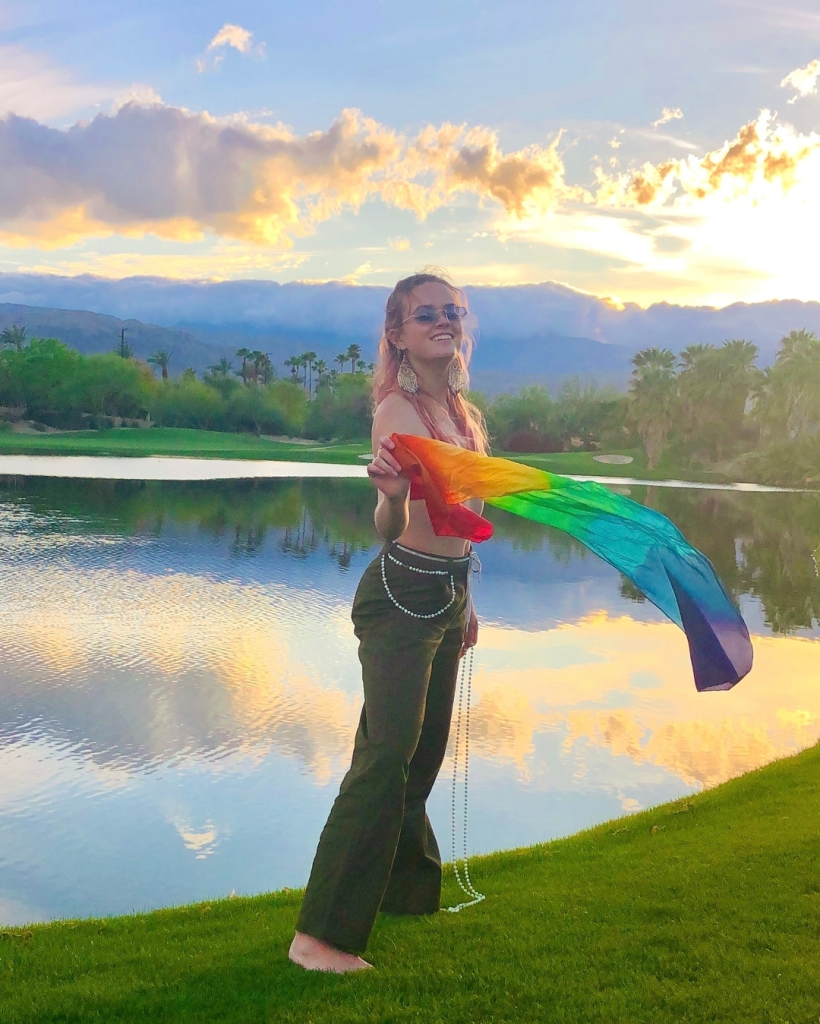
    In her new Pride Month post, Ava stands by a quiet pond, wearing a red crop top and sunglasses, proudly waving a rainbow flag. The photo feels joyful, calm, and deeply intentional. And the turning point of her caption reads:
    “Once upon a time, some gal on the internet said ‘gender is whatever.’”

    Her message slowed the pace, reminding followers how easily words can be twisted. Ava gently noted that while some people misunderstood her, she always knew exactly who she was.

    Support poured in. Celebrities like Alyssa Milano and Dylan Mulvaney left warm messages. Fans thanked her for standing strong despite criticism. Ava even addressed past hate directly, promising to block bigotry and keep her space one of “peace and love.”

    Reese quietly liked the post—a small gesture with a big meaning.

    Ava’s message wasn’t loud or dramatic.
    It was simply real.
    And for many, that’s the kind of Pride story that stays with you.

  • Doctor says men who excessively watch porn and masturbate will eventually suffer from erectile dysfunction

    Doctor says men who excessively watch porn and masturbate will eventually suffer from erectile dysfunction

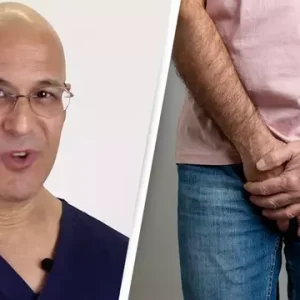
    A well-known wellness expert, Dr. Alan Mandell, recently shared a candid message online about a growing problem he says men rarely talk about—excessive porn use and constant masturbation. His concern is simple and serious: it could lead to future erectile dysfunction.

    In a calm voice, he explained that too much sexual stimulation overloads the brain’s reward system. Dopamine rises, then crashes. Over time, the brain becomes numb to normal sexual cues.
    And then came the turning point:
    “Eventually, you will get desensitized to sexual stimulation,” he warned.

    That single line stopped many viewers cold.

    Other experts echo his worry. They say “porn-induced erectile dysfunction,” or PIED, is psychological rather than physical. It forms slowly, as the brain becomes conditioned to scenes on a screen rather than real human intimacy. When that happens, normal partnered sex may no longer release enough dopamine to trigger or maintain an erection.

    Health researchers note that ED now affects 30 million men in the U.S. Even more troubling, rates are rising among men under 40. While the exact cause isn’t clear, many believe nonstop online content may play a role.

    The reflection is gentle but honest: when digital fantasy becomes the main source of stimulation, real-life connection can lose its spark.

    But there is hope.
    Therapists see progress when men ease off heavy porn use, practice mindfulness, or speak with a doctor about their symptoms. Many regain sensitivity. Many feel more present with their partners.

    Dr. Mandell’s message ends on a simple reminder: your mind and body deserve balance.
    And it’s never too late to reclaim it.

  • Woman says she’s ‘very single’ because men are ‘terrified’ that she’s pretty and smart

    Woman says she’s ‘very single’ because men are ‘terrified’ that she’s pretty and smart

    A young woman named Ashley, a fashion stylist known online as @ashbabank, recently told her followers she is “very single.” Not just single… but untouched by romance for eight months. And what surprised people most wasn’t her status—it was her explanation.

    Friends often assume she’s taken because she’s stylish, successful, and, yes, undeniably beautiful. But Ashley says her looks and confidence haven’t helped her love life at all. In fact, she believes they’ve done the opposite.

    The turning point in her message came when she looked into the camera and said,
    “Men don’t like me. Men are very, very terrified of me.”

    Her words struck a chord with thousands of women who’ve been told the same thing: that confidence, beauty, or success somehow makes them “intimidating.” Ashley said that men who do show interest are usually unavailable or, as she bluntly put it, “weirdos.” She feels many see her as a fantasy, not a real person with real emotions.

    Comments flooded in. Women shared stories of being admired from afar, only to be avoided because of the insecurities they triggered in others. One follower wrote, “They idealize you… then resent you for the same things they once loved.”

    Ashley ended her video with a bittersweet truth:
    “Yes, I’m alone. I’m very, very, very single. But I know my worth.”

    @ashbabank

    lonely life when you know your worth😮‍💨

    ♬ original sound – A$H

    Her honesty opened a door for countless viewers who feel the same.
    And it left many quietly asking themselves a simple question:
    Why do we fear the very people who inspire us?

  • Mother-of-two sparks backlash after revealing why she NEVER returns her shopping cart

    Mother-of-two sparks backlash after revealing why she NEVER returns her shopping cart

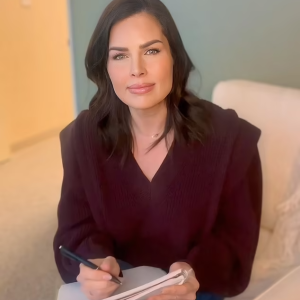
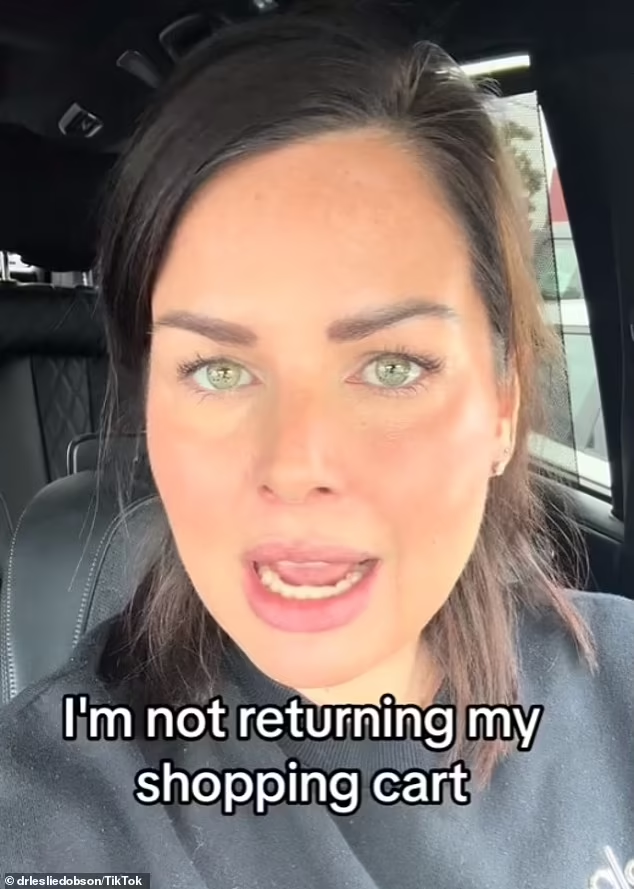
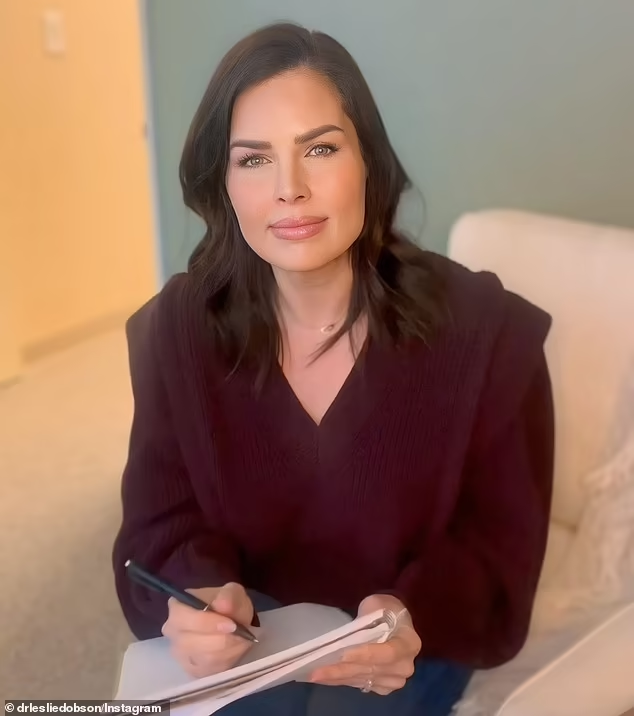
    Leslie Dobson, a psychologist and mother of two from Los Angeles, stunned social media when she admitted she never returns her cart. Her video spread fast, pulling millions of views and even more opinions. In the clip, she stood firm, saying she wouldn’t risk leaving her kids alone in the car—not even for a short walk.

    The backlash was instant.

    People accused her of being lazy. Others called it a test of character. But Leslie didn’t back down. Instead, she posted a second video and shared what she called her biggest fear: child abduction in parking lots.

    “Last year, 265 children were abducted in parking lots,” she said in a shaky voice, adding, “Half were sexually assaulted.”
    That quote became the emotional turning point of her message.

    While many questioned the accuracy of the statistic, Leslie insisted her concern was real. She explained that returning a cart often means leaving a running car, walking across a large lot, and losing sight of her children—something she refuses to risk. She reminded viewers that in some parts of California, leaving a car unattended can even be illegal.

    Her tone softened as she spoke about trusting personal instinct. If a parking lot feels unsafe, she said, a parent shouldn’t ignore that feeling. Safety, she insisted, matters more than a stranger’s judgment or an online debate.

    Toward the end, Leslie offered a quiet reflection:
    “Risk isn’t worth it. Our lives are precious.”

    Her message struck a chord. Some disagreed. Some defended her. But many paused, thought about late-night parking lots, and understood exactly what she meant.

  • Now doctors are warning of ‘Ozempic tongue’ – the latest bizarre symptom of weight loss drug

    Now doctors are warning of ‘Ozempic tongue’ – the latest bizarre symptom of weight loss drug

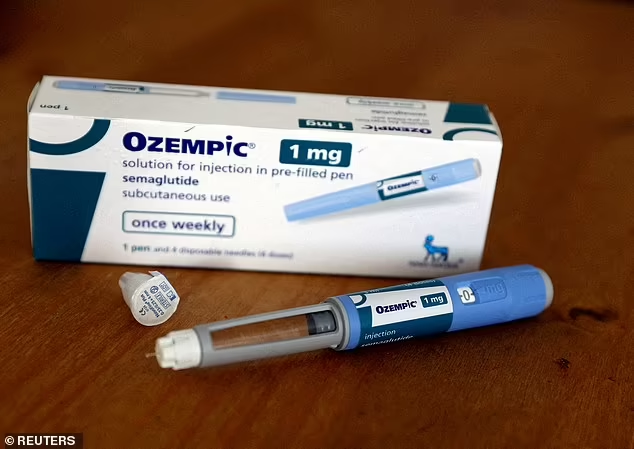
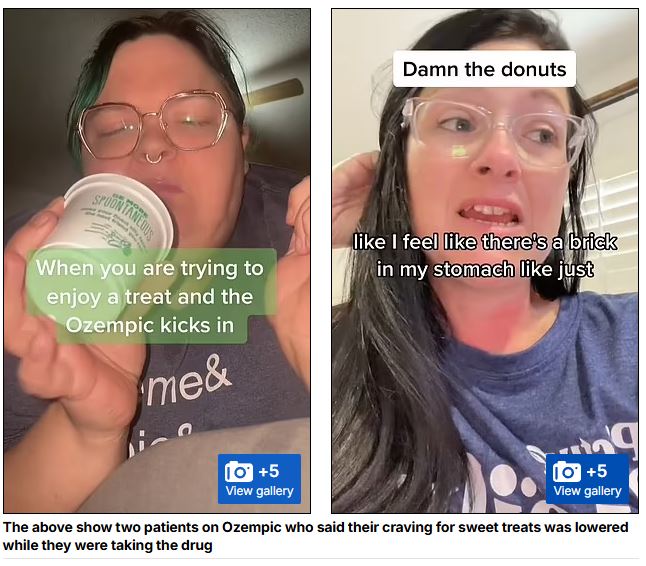
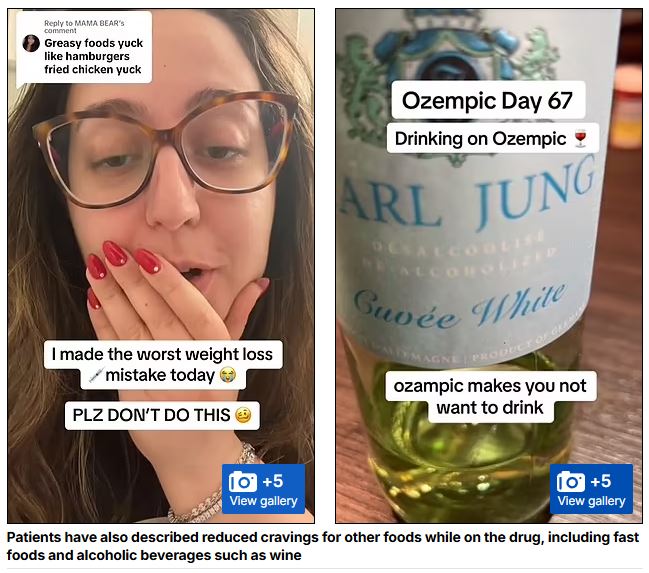
    Doctors are now sounding the alarm about a new side effect linked to the blockbuster weight-loss drug Ozempic—something users are calling “Ozempic tongue.” Many people say foods, especially sweets, taste strange, too strong, or simply unpleasant. And for some, the cravings they once struggled with have nearly disappeared.

    Researchers in Europe may finally understand why.

    A new study suggests that semaglutide, the active ingredient in Ozempic, may actually change a gene on the tongue that helps detect taste. Women taking the drug reported that sweet flavors hit them “more intensely,” almost like turning up the volume on the taste buds.

    One researcher explained the turning point clearly:
    “Semaglutide improved taste sensitivity in women with obesity.”

    That simple shift may explain why online forums are filled with people saying they can’t stomach their once-favorite treats—chocolate, donuts, even wine. When sweetness becomes overwhelming, those cravings naturally fade.

    Scientists believe this happens because semaglutide mimics GLP-1, the hormone that signals fullness and also plays a role in taste perception. Studies on mice show that when GLP-1 is missing, the desire for sweet foods drops almost instantly.

    The study followed 30 women over four months, testing their taste sensitivity with small flavor strips and even performing MRI scans after meals. The results were striking: those on Ozempic showed stronger reactions to all four major tastes.

    And for many patients, that shift brings mixed emotions. Less craving means easier weight loss… but favorite foods don’t taste the same.

    Still, doctors say these findings could help guide better conversations about expectations, appetite, and long-term dietary habits.

    For anyone considering the drug, one message is clear: the body can change in surprising ways. Sometimes, even the tongue tells the story.

  • Girl Left With Brain Damage After Being Kissed On The Mouth As A Baby

    Girl Left With Brain Damage After Being Kissed On The Mouth As A Baby

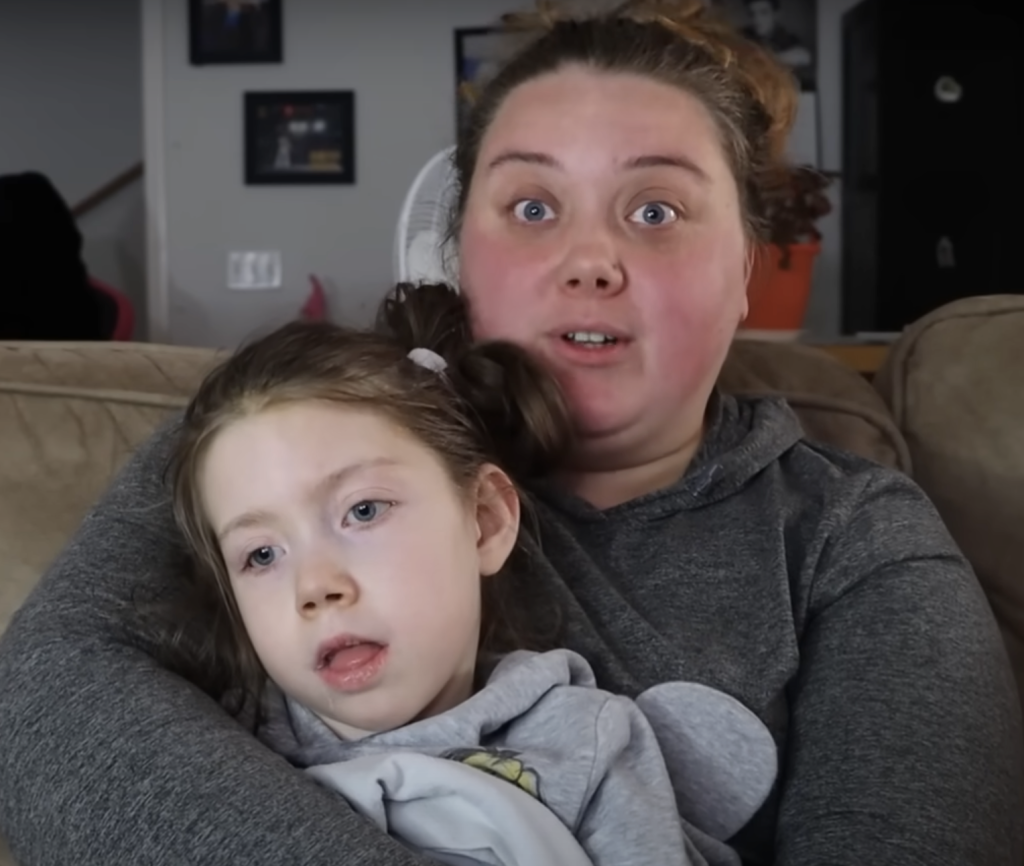
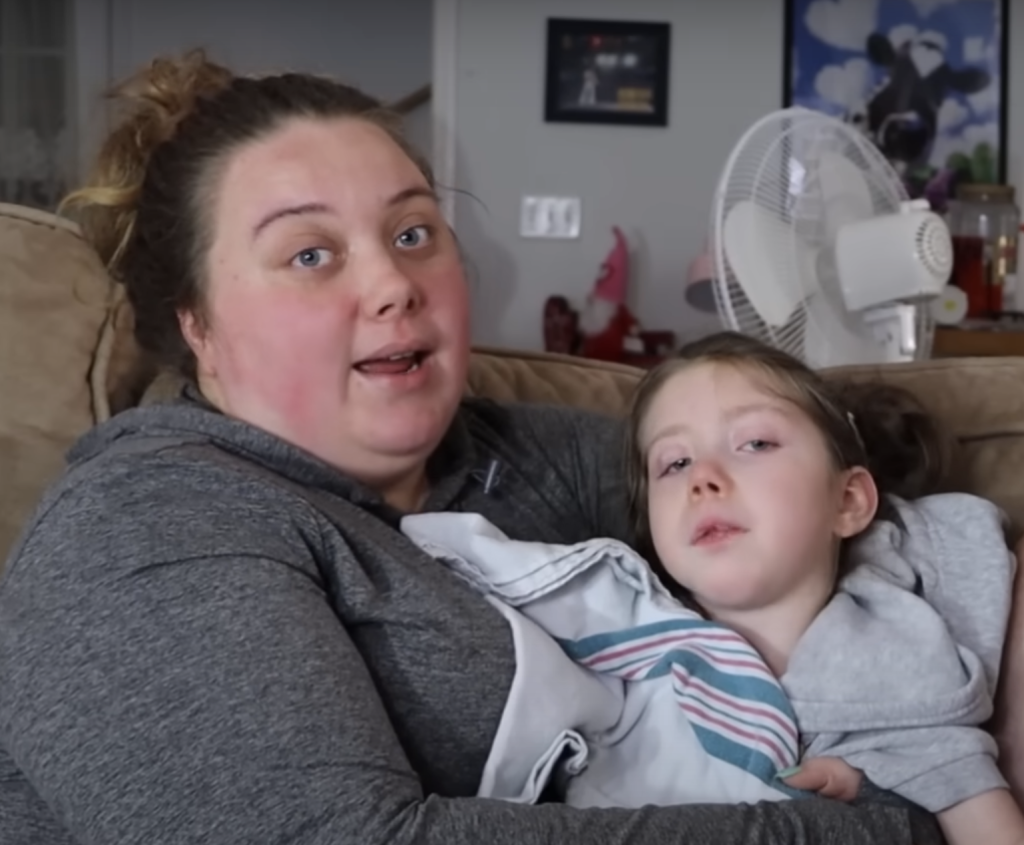
    Eight-year-old Breelynn, a bright and joyful baby at birth, saw her life change before it even truly began. Her mother remembers those early days with warmth… and deep heartbreak. One innocent kiss—given out of excitement—changed everything.

    Like many newborns, she was adored by everyone who met her. But at just two days old, someone kissed her on the mouth. Two weeks later, tiny Breelynn began having seizures. Her mother watched her healthy newborn slip into a frightening medical crisis.

    People online reacted with shock and sorrow, urging others to understand the danger. One person wrote, “Never kiss a baby on the mouth. You just don’t know the risk.”

    The turning point came when doctors discovered the truth: the person who kissed Baby Breelynn had a cold sore. That simple moment transferred the herpes simplex virus, leading to severe HSV encephalitis. As her mother explains, “The infection got into her brain fluid… and it attacked her brain.”

    Those words carry a weight no parent should ever feel.

    The virus damaged about 60% of the left side of her brain and affected the right as well. Today, Breelynn cannot walk or talk, yet every smile and flicker of recognition is treated as a small miracle. Her future remains uncertain, and doctors don’t expect her to reach adulthood.

    Still, her mother holds onto grace, saying, “It was an accident. They didn’t mean it.”

    Her message is simple and urgent: newborns are fragile. A harmless kiss can carry hidden danger. Families are now sharing her story to protect the next baby—before it’s too late.

Daily News