Category: News

Latest breaking news and trending stories from around the world,
delivered with accuracy and clarity.

  • Experts confirm Adolf Hitler had rare genetic disorder that could have resulted in a micro-penis

    Experts confirm Adolf Hitler had rare genetic disorder that could have resulted in a micro-penis

    Some stories from history still have the power to stop us in our tracks. And this one does just that. New research suggests that Adolf Hitler, one of the most destructive figures of the 20th century, may have lived with a rare genetic disorder that changed both his body and his behavior.

    A new Channel 4 investigation, Hitler’s DNA: Blueprint of a Dictator, reveals that DNA samples taken from the couch where he died point to a condition called Kallmann Syndrome. The samples were preserved by an American soldier in 1945, just hours after Hitler died by suicide in his Berlin bunker as World War II neared its end.

    Kallmann Syndrome affects puberty, hormone levels, and even the sense of smell. It can lead to extremely low testosterone, infertility, and in some cases, a micro-penis. Experts say the findings may help explain why Hitler never had children and why he often seemed uneasy in close relationships.

    At one emotional moment, lead geneticist Professor Turi King said, “If he saw his own genetic results, he would almost certainly have sent himself to the gas chambers.”
    That sobering line shifts the entire conversation.

    Historians in the documentary note that Hitler’s distant behavior with women, his lack of a family, and his carefully crafted “strongman” image may have been attempts to hide personal insecurities. The research also supports long-running claims about his poor mental health, his secret drug use, and his complicated relationship with his own body.

    DNA experts believe Hitler may also have had several neurodivergent traits that shaped his personality and public behavior.

    For many, these findings don’t change history—but they add a haunting layer of humanity to a man responsible for unimaginable suffering. And they remind us how deeply private pain can twist itself into public destruction.

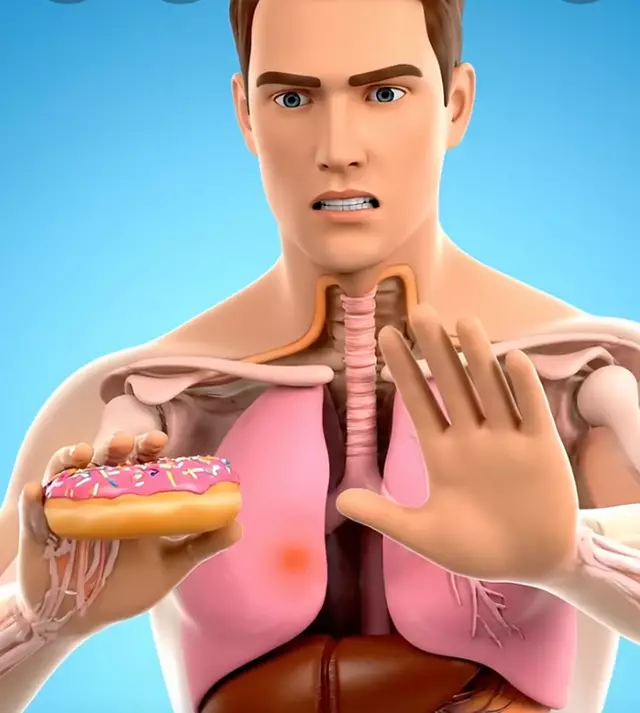
  • Shocking simulation shows exactly what happens to your body if you quit sugar for seven days

    Shocking simulation shows exactly what happens to your body if you quit sugar for seven days

    Some health journeys begin with hope. Others begin with a hard truth. And for many Americans trying to cut back on sugar, that truth hits fast: your body fights back.

    Most of us enjoy a sweet treat now and then. But over time, sugar can quietly become a daily habit. A comfort. Even a coping tool. So when you finally decide to quit, it can feel like you’re stepping into a storm you never expected.

    A new week-long simulation from Untold Healing shows what really happens inside the body when you give up sugar for seven days. And the changes—both physical and emotional—are surprisingly intense.

    During the first two days, cravings surge. Headaches show up. Energy crashes. The narrator explains it simply: “Your body is literally going through withdrawal.”
    That’s the turning point many people don’t see coming.

    By days three and four, the fog slowly lifts. Your energy steadies. Those 3 p.m. slumps fade. You begin to feel more balanced. More awake.

    And by days five through seven, your skin may start clearing. Inflammation eases. Breakouts calm down. You sleep better. And that “puffy” feeling begins to melt away. The simulation reminds viewers that most people consume about 17 teaspoons of added sugar a day—triple the recommended amount.

    Experts say this struggle is real because sugar affects the brain’s dopamine system, the same reward pathway linked to pleasure and emotional comfort. When you take sugar away, your mind and body notice immediately.

    The rehab group Addiction Help warns that withdrawal can cause mood swings, irritability, anxiety, and fatigue. But they also offer hope: small steps still count. Cutting back slowly can be just as life-changing as quitting all at once.

    So if you’re thinking of trying a sugar detox, be gentle with yourself. Stay patient. Your body—and your future—are worth the effort.

  • Rich ‘sniper tourists’ allegedly paid $90,000 to shoot people on ‘human safari’ trips as disturbing claims revealed

    Rich ‘sniper tourists’ allegedly paid $90,000 to shoot people on ‘human safari’ trips as disturbing claims revealed

    Some stories strike the heart with a force you never forget. This is one of them. New claims from Europe suggest something so dark, so cruel, that many people feel shaken all over again.

    Investigators in Italy say they are reviewing allegations that wealthy travelers once paid enormous sums—nearly $90,000—to take part in what witnesses compared to a “human safari” during the Bosnian War. The events allegedly took place in Sarajevo in the 1990s, when the city endured a deadly four-year siege.

    Italian journalist Ezio Gavazzeni, known for reporting on terrorism and organized crime, says he uncovered evidence pointing to foreign “sniper tourists” who were taken to Serb-controlled hills to shoot at civilians. He described it as a shocking “manhunt” carried out by people with money, power, and no moral purpose.

    “There were no political motives,” he said. “They were rich people who went for personal satisfaction.”
    That one sentence changed the tone of the investigation.

    Gavazzeni’s report includes testimony from a Bosnian military intelligence officer who claimed soldiers first learned about these alleged visits in 1993. They believed travelers were flown through northern Italy before being escorted to vantage points above the city.

    The siege of Sarajevo claimed more than 11,000 lives. Families still carry that pain. For many, the idea that outsiders may have paid to deepen that suffering feels almost unbearable.

    Italian counter-terrorism prosecutors are now reviewing documents, interviews, and a detailed 17-page report. Officials in Milan say they want the truth—finally and fully. The Bosnian Consulate in Milan has also offered information to help investigators.

    For survivors, this moment feels heavy. Yet there is hope that shining light on old wounds might help close this painful chapter with dignity, justice, and long-overdue truth.

  • Married Couple Explains How They Became P***hub’s Most Watched Stars

    Married Couple Explains How They Became P***hub’s Most Watched Stars

    Many people dream of building a life they love. Few imagine that dream starting in the most unexpected place. But for one married couple from Texas, their journey to becoming one of the internet’s most-watched pairs began with a simple idea: “What if we tried?”

    They never planned for fame. They were just two hardworking partners—she a former UPS driver, he a military veteran—looking for a new start. In 2021, they stumbled across a YouTube interview featuring another Puerto Rican couple who shared their online success. That moment sparked something powerful.

    They began posting creative, couple-centered videos online. Within weeks, their audience skyrocketed. Their first month brought in $2,000. Soon, they were earning $15,000 to $25,000 a month—far more than their old jobs. Their content felt genuine, warm, and real. And viewers noticed.

    “We were always very passionate,” the wife shared. “We just said, ‘Let’s do this.’”
    That became their turning point.

    Over time, their following grew to millions. Their success spread across platforms—Instagram, subscription sites, and mainstream social media. Her page alone now holds nearly three million followers. Their fans say they connect with the couple’s honesty, teamwork, and unfiltered chemistry.

    The pair still protects parts of their private life. But they admit the financial stability has given them freedom they never imagined. “What I made in the army in a year,” her husband said, “I now make in a month or two.”

    Today, they spend their downtime hiking, lifting weights, and enjoying simple moments together. Their next chapter includes new collaborations and creative ideas.

    At the heart of their story is something universal: two people choosing each other, taking a chance, and finding a life that finally feels like their own.

  • Nationwide recall issued for ADHD medication taken by millions… FDA warns of ‘adverse health risks’

    Nationwide recall issued for ADHD medication taken by millions… FDA warns of ‘adverse health risks’

    Millions of Americans felt a chill this week after a nationwide recall hit a common ADHD medication. For many families, this news struck close to home. These capsules help children, teens, and adults stay focused, steady, and calm through busy days.

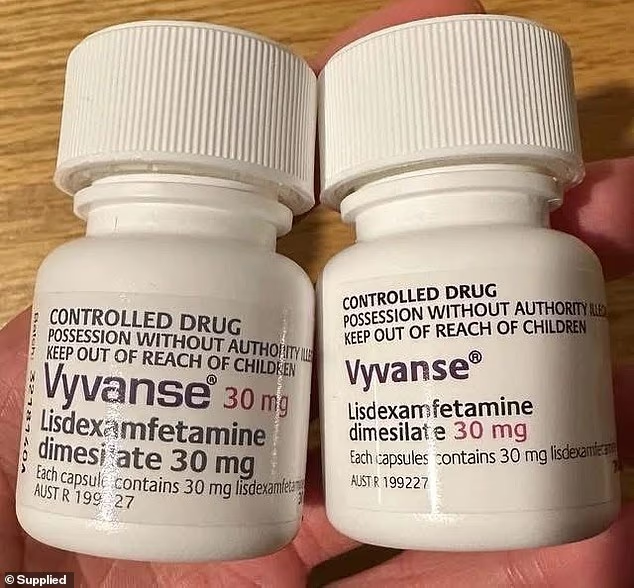
    The recall involves several lots of lisdexamfetamine dimesylate, the generic form of Vyvanse and Arynta. It’s made by Sun Pharmaceutical Industries in New Brunswick, New Jersey. The FDA labeled it a Class II recall, meaning the risk of serious harm is low — but not zero.

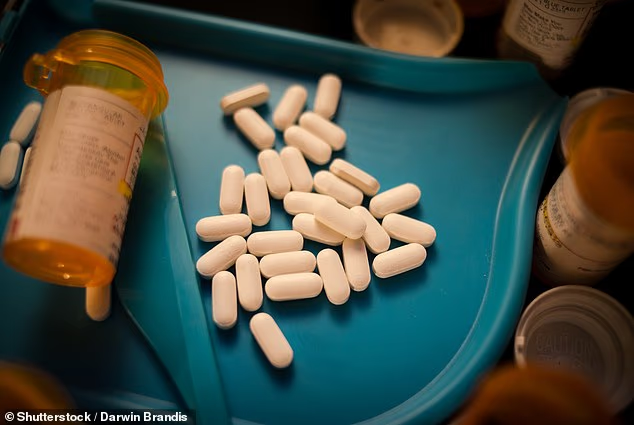
    The problem started in the lab. Some capsules didn’t dissolve the way they should. When a pill doesn’t break down properly, the body may absorb less medicine. That can weaken the dose and bring old symptoms back.

    Parents and adults have already shared their fear.
    One patient said, “I just need my medicine to work the way it’s supposed to.”

    That simple worry speaks for millions.

    ADHD diagnoses have climbed sharply across the U.S., especially among adults. Prescriptions for this type of medication have risen by more than 60 percent in the last decade. In 2023 alone, doctors wrote more than nine million scripts for lisdexamfetamine.

    Now, families are checking their bottles. The recalled lots range from 10 mg to 70 mg, with expiration dates between February and May 2026.

    If you think your bottle may be affected, don’t stop taking it on your own. Call your doctor or pharmacist. The FDA urges patients to get proper guidance and arrange a safe replacement if needed.

    For many, this recall is more than a headline. It’s a reminder of how much stability these medications bring — and how fragile that stability can feel.

    Take a moment. Breathe. And share this news with someone who may need it.

  • Little boy, 2, is killed at hands of hospital staff who gave him 10 TIMES dose of drug because they ‘missed the decimal point’

    Little boy, 2, is killed at hands of hospital staff who gave him 10 TIMES dose of drug because they ‘missed the decimal point’

    Some tragedies begin with a tiny mistake — one so small it’s almost invisible. For one Florida mother, that single misplaced dot changed her entire world. And today, she’s speaking out so no other family has to face the same heartbreak.

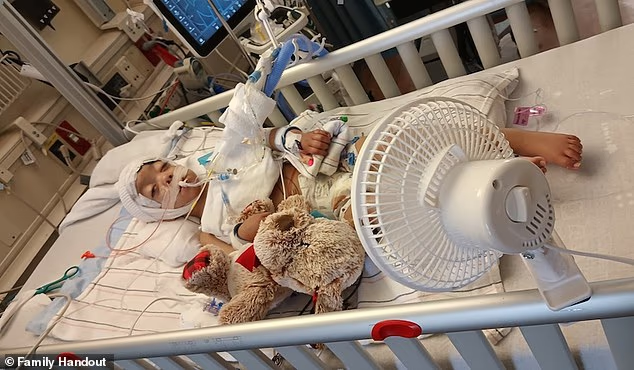
    Two-year-old De’Markus Jeremiah Page arrived at the hospital with simple, treatable symptoms — vomiting, diarrhea, and fatigue. Doctors discovered his potassium levels were dangerously low and rushed him to a larger hospital in Gainesville for specialized care. His mother trusted the team there. She believed her little boy was finally safe.

    But in the quiet shuffle of medical orders, a tiny decimal point disappeared. The prescribed potassium dose — meant to be 1.5 mmol — was accidentally entered as 15 mmol, ten times stronger. To make matters worse, De’Markus was already receiving potassium through two other treatments. No one questioned it. No one stopped it.

    Within hours, his potassium levels climbed to fatal levels. His small heart went into cardiac arrest.

    And the heartbreak only deepened. “They didn’t even know he had coded,” the family’s statement said. When staff finally realized what happened, they struggled for more than 20 minutes to intubate him — a delay that caused catastrophic brain damage.

    De’Markus was declared brain dead. His mother held him as he took his final breaths.

    “Every day I wake up looking for my son,” she said. “He didn’t have to die.”

    The family’s lawsuit argues this was an avoidable tragedy — a reminder of how fragile life is, and how much trust we place in the hands of others. Their hope now is simple: better safety, better oversight, and no more lost children because of preventable mistakes.

  • Health officials warn of deadly bacteria lurking in household pets after 1 death and 6 hospitalizations

    Health officials warn of deadly bacteria lurking in household pets after 1 death and 6 hospitalizations

    It’s a warning most pet lovers never expect to hear. Health officials say a quiet danger may be hiding in some American homes—one that has already taken a life and sent several people to the hospital. And the source might surprise you.

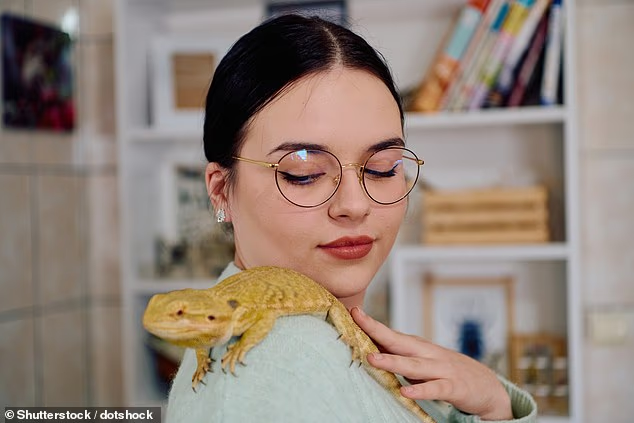
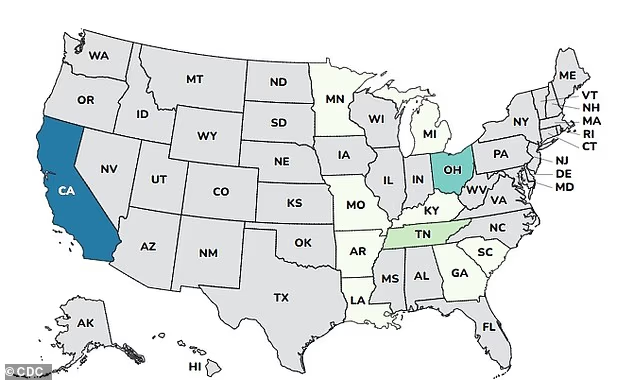
    Across eleven states, families began noticing the same troubling symptoms: stomach pain, fever, exhaustion. Doctors soon traced the pattern back to a shared cause—pet bearded dragons, popular companions known for their calm personalities and bright eyes. By early November, 17 people had fallen ill. Six were hospitalized, and one person didn’t survive.

    For many older Americans, the news feels unsettling. Pets are family. We feed them, clean their spaces, and share quiet moments with them. But health experts remind us that even the healthiest-looking reptiles can carry Salmonella, a bacteria that spreads easily from their droppings to their skin, enclosures, toys, and anything they touch.

    The CDC put it simply: “Even healthy-looking reptiles can carry Salmonella.” That means a quick cuddle or forgotten handwash can be enough to pass the bacteria along.

    Symptoms usually appear within hours—a wave of diarrhea, cramps, nausea, fever. Most people recover at home. But infants, older adults, pregnant women, and those with weaker immune systems face far greater risks. In severe cases, the infection can reach the blood, heart, or brain.

    Officials urge pet owners to take extra care: wash hands thoroughly, clean reptile supplies outdoors when possible, avoid kitchen sinks, and—hard as it may be—skip the kisses and snuggles. For households with young children or elderly family members, experts say reptiles may not be the safest choice.

    Still, with simple precautions, families can protect both themselves and the pets they love. And that small bit of awareness might save a life.

  • Sara Sharif was tortured to death by her father after a catalogue of blunders by authorities – who missed bruises under her hijab because they feared causing offence, damning review finds

    Sara Sharif was tortured to death by her father after a catalogue of blunders by authorities – who missed bruises under her hijab because they feared causing offence, damning review finds

    Some stories break your heart before you even reach the end. Ten-year-old Sara Sharif was one of those children who slipped through the cracks—seen, yet somehow unseen—until it was too late. Today, her story stands as a painful reminder of what happens when warnings go unanswered.

    Sara lived in a home where fear was louder than laughter. Her father, Urfan Sharif, had a long history of violence, but professionals believed he could offer a “safe and loving home.” So she was placed in his care. And almost immediately, things began to change.

    Her bright smile faded. She started wearing a hijab, though no one in her family ever had. When teachers spotted bruises, Sara pulled the fabric tighter. When neighbors heard screams, they hesitated, afraid of “offending” someone. And as agencies passed reports from one desk to another, the signs that should have saved her were lost in the shuffle.

    The violence that followed was described in court as “the worst crime” a judge had ever seen. More than 100 injuries. Weeks of suffering. A little girl hidden away under the label of “home schooling,” unseen by the very people meant to protect her.

    A review later found a chain of missed chances—moments when just one brave question, one thorough visit, one shared piece of information might have changed everything. “Different actions could, and should, have been taken,” the report said.

    In the end, the blame rests squarely on the adults who harmed her. But Sara’s legacy, the review hopes, will be a stronger system—one that teaches professionals to “think the unthinkable” before it’s too late.

    Because every child deserves to be seen. And every child deserves to be safe.

  • I was a healthy physician who took the Covid shot… now I’m paralyzed: ‘We’re the vaccine industry’s dirty little secret’

    I was a healthy physician who took the Covid shot… now I’m paralyzed: ‘We’re the vaccine industry’s dirty little secret’

    It started with a simple choice many of us made. A doctor, a writer, a mother… all stepped forward during those uncertain months, believing they were doing the right thing. But for a small group of people, life changed in ways they never saw coming. And today, they’re finally sharing the stories they once kept quiet.

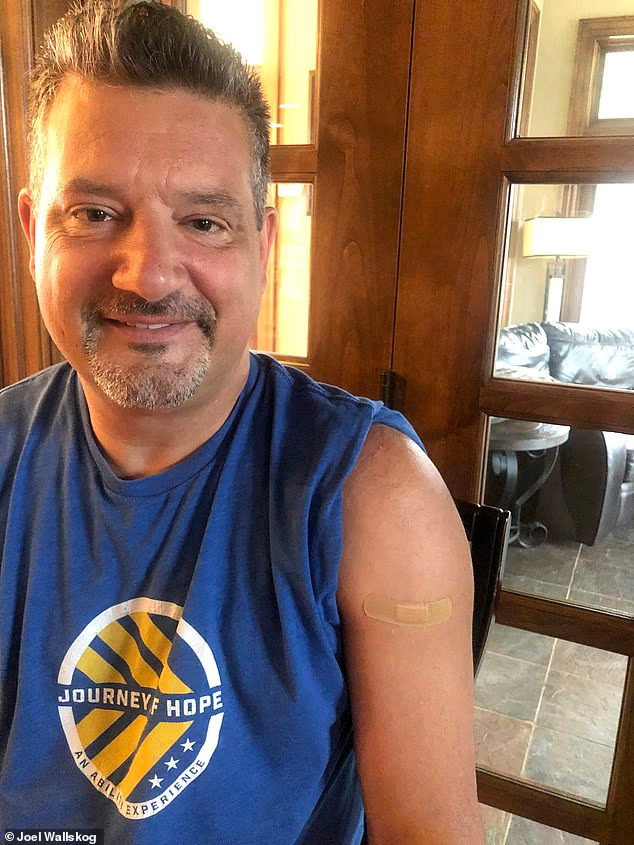
    For Dr. Joel Wallskog, life had always been movement. Long shifts. Family weekends on the water. A strong, healthy body he trusted. So when he rolled up his sleeve for the Covid vaccine in 2020, he never imagined the numbness that crept into his legs days later—or the moment he collapsed in front of a patient. Doctors didn’t have answers. Some didn’t want to talk about it at all. “I felt abandoned,” he said. “I kept waiting for someone to ask how they could help.

    Across the ocean, Oxford lecturer Sally Bayley felt her world shrink after her second dose. The vibrant walks she loved suddenly required rest stops. Sounds grew too loud. Her vision blurred. She was told it was anxiety, but she knew better. “It was like my body suddenly belonged to someone else,” she shared.

    And in Devon, business owner Rebecca Thommen watched her life unravel in slow motion—numb legs, a wheelchair, months in her parents’ home, and a husband trying desperately to hold their young family together.

    These three people never met, yet their experiences echo each other with painful clarity. Transverse myelitis, a rare inflammation of the spinal cord, left them battling weakness, paralysis, and fear—while searching for support that didn’t always come.

    Still, each of them wakes up every day fighting for better answers, better care, and a chance to feel seen. Their stories aren’t about blame—they’re about being heard.

  • My boyfriend had sex with his dying female friend as a ‘final wish’ – am I wrong for being mad?

    My boyfriend had sex with his dying female friend as a ‘final wish’ – am I wrong for being mad?

    When a 22-year-old woman learned her boyfriend had slept with his dying friend, she didn’t know how to process it. The friend — a young woman battling terminal illness — passed away months later, leaving behind a swirl of grief, guilt, and painful secrets.

    “He didn’t tell me until after she was gone,” the girlfriend confessed online. “He said it was her dying wish — that she didn’t want to die a virgin.” The couple had been together for three years and hadn’t yet been intimate themselves. “I hate that I’m jealous,” she wrote. “She’s gone, but it still hurts.”

    Her boyfriend admitted he regretted it deeply. According to her, he broke down and said it wasn’t romantic — just emotional chaos in a tragic moment. “He said if he’d had time to ask me, he would have,” she added. “But it just happened.”

    Still, the betrayal gnawed at her. Every time he mentioned his late friend, a wave of anger and guilt would rise. “He’s grieving her,” she said. “And I’m grieving the trust we lost.”

    Thousands online weighed in, with most siding with her. “There’s compassion, and then there’s crossing a line,” one commenter wrote. “You can honor a friend’s memory without betraying someone you love.”

    Now, she’s torn between staying with the man she still loves — and walking away from the one who broke her heart. “It’s complicated,” she admitted. “Love always is.”

Daily News