Category: News

Latest breaking news and trending stories from around the world,
delivered with accuracy and clarity.

  • I’m raising my daughter to be ‘traditional wife’ one day – and that it is perfectly acceptable to serve and depend on a man

    I’m raising my daughter to be ‘traditional wife’ one day – and that it is perfectly acceptable to serve and depend on a man

    In a world that celebrates independence and ambition, one mother believes true fulfillment comes from faith, family, and devotion.

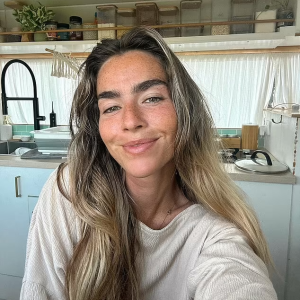
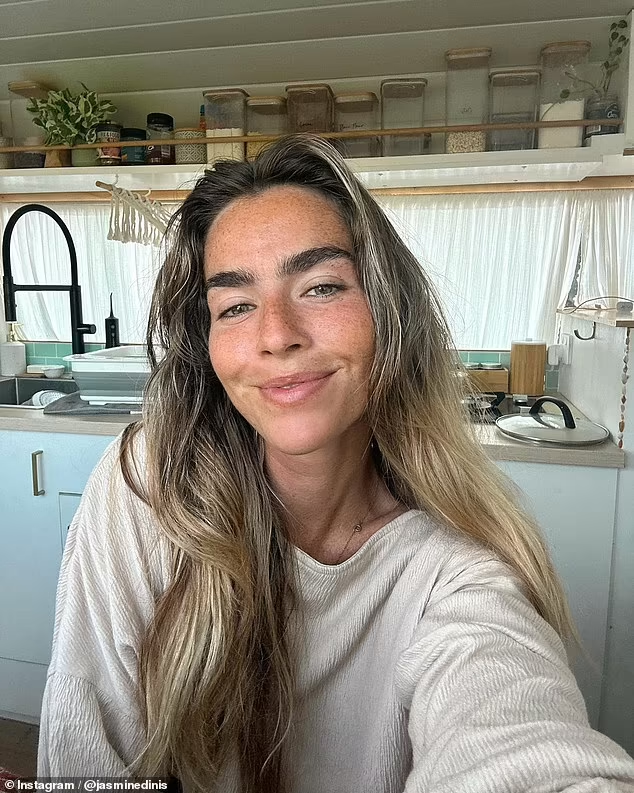
    Australian mom Jasmine Dinis has gone viral after revealing she’s teaching her young daughter that “it’s perfectly acceptable to depend on a man.” The stay-at-home mother proudly calls herself a “traditional wife” and says she’s raising her child to one day find joy in serving her husband and nurturing her home.
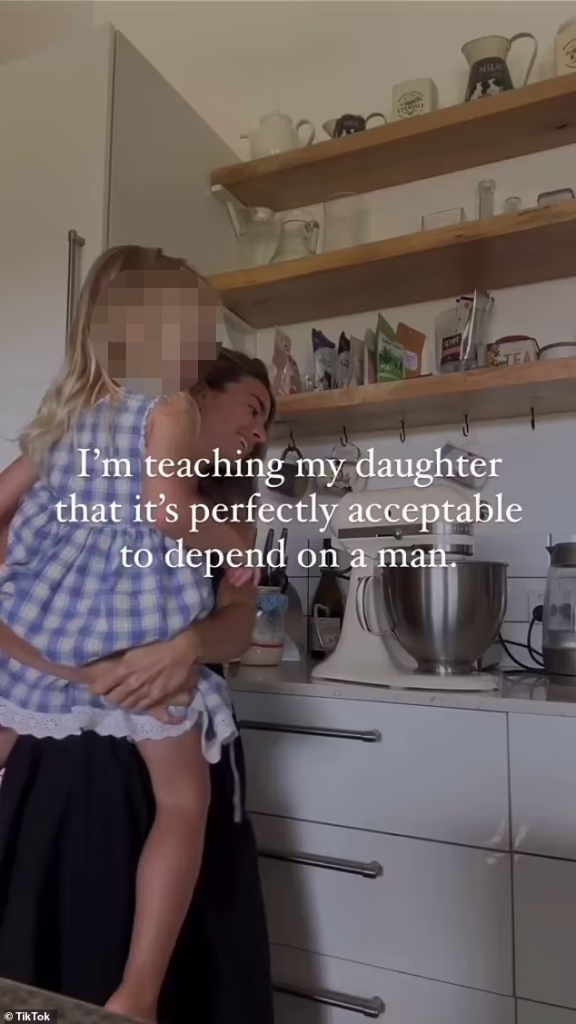
    “I’m teaching my little girl to live a slow life — to be a biblical woman,” Jasmine shared. “Joy comes from God and family, not from a career.”

    Her words divided the internet. Some called her message “dangerous” and “anti-feminist,” arguing that she’s deciding her daughter’s future too soon. “You don’t know what her biggest joy will be,” one commenter wrote. Others, however, saw beauty in her lifestyle, praising her for “bringing back traditional values” in a modern world that often looks down on homemakers.

    Jasmine, who has over 145,000 followers across TikTok and Instagram, says her goal isn’t to limit her daughter — but to show that serving others can also be powerful. For her, being a wife and mother isn’t submission — it’s purpose.
    Whether you agree or not, her story taps into something deeply human: the timeless struggle between freedom and tradition, self and service, love and independence.

  • Gen Z Think That The Thumbs-Up Emoji Is Rude And ‘Passive-Aggressive’

    Gen Z Think That The Thumbs-Up Emoji Is Rude And ‘Passive-Aggressive’

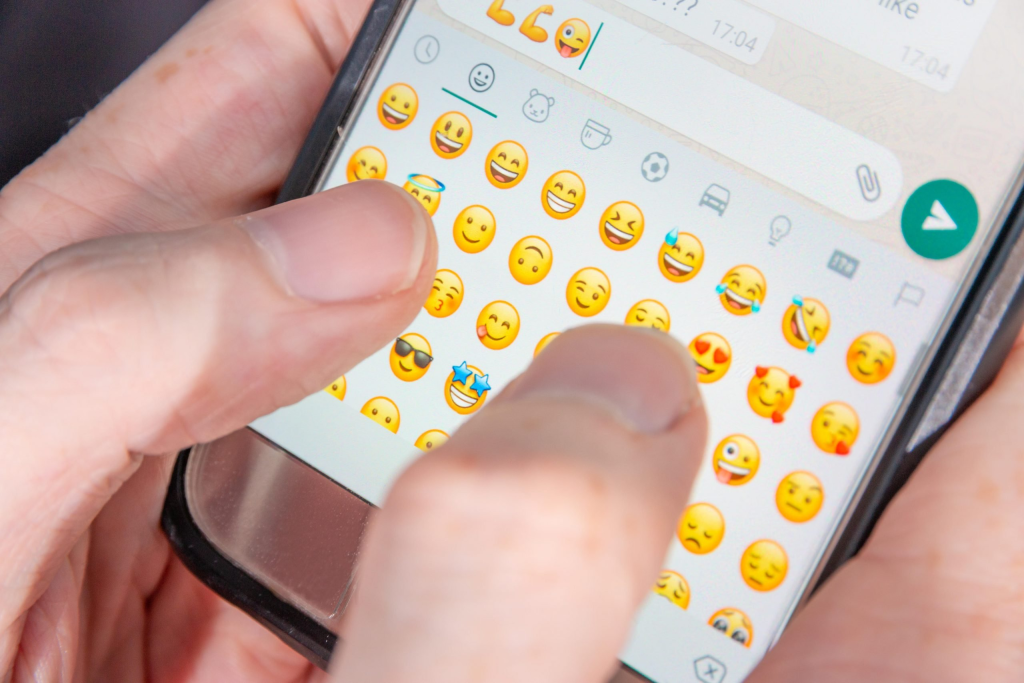
    For decades, a thumbs-up was the universal sign of approval — simple, positive, and harmless. But now, Gen Z says it’s anything but friendly. Many young workers are calling the emoji “passive-aggressive” and even “rude.”

    It started with a Reddit post from a new employee who admitted feeling uneasy every time a coworker reacted to a message with 👍. “It just feels cold,” they wrote. “Like someone saying ‘Whatever.’” Their confession struck a nerve online — and soon, an entire generation chimed in.

    “For younger people, it’s used to be really passive-aggressive,” one 24-year-old explained. “At work, it feels dismissive — like they don’t care.”

    To older generations, though, it’s baffling. Many Millennials and Boomers see the emoji as a quick, polite way to say “Got it.” Some say it’s efficient — not emotional. Others, like one Reddit user, argued, “You’re overthinking it. It’s a thumbs-up, not a personal attack.”

    Still, linguists and emoji experts note that digital communication evolves fast. A simple symbol can take on new meaning across generations. What feels courteous to one group might seem cold or sarcastic to another. Even Emojipedia admits the emoji “can be construed as passive-aggressive or sarcastic.”

    In the end, it’s a lesson in empathy — and translation. Whether it’s a 👍, ❤️, or 😊, tone doesn’t always travel well through screens. Sometimes, a word — or a real conversation — says it best.

  • American tourist reveals why she did not like Australia – labelling her experience as bland, underwhelming and inconvenient

    American tourist reveals why she did not like Australia – labelling her experience as bland, underwhelming and inconvenient

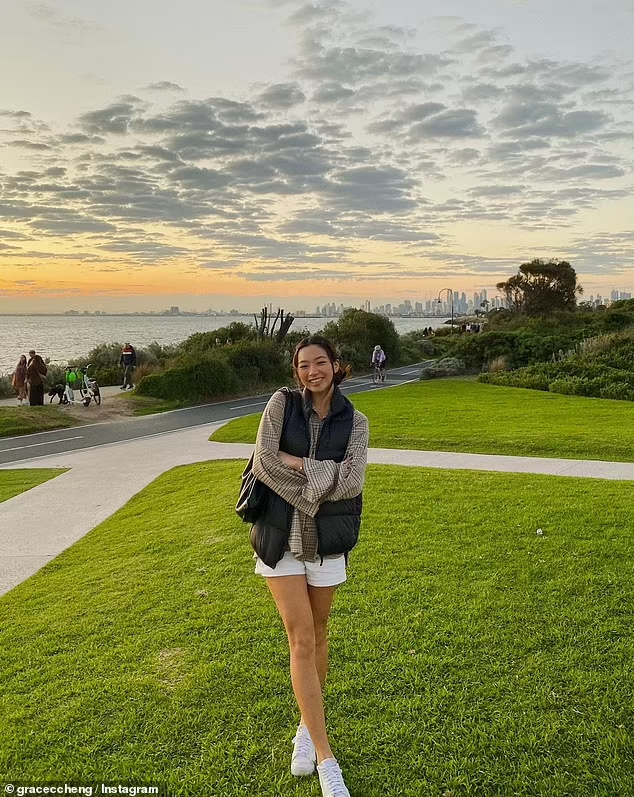
    When American travel blogger Gracie Cheng landed in Australia, she expected magic — golden beaches, vibrant cities, and adventure. But after two weeks, her honest verdict stunned her followers: “It was just… bland.”

    Having visited 36 countries, Cheng spent May exploring Melbourne, Gold Coast, Byron Bay, and Sydney. Yet, she said none truly stood out. “If I’m being honest, the cities weren’t that interesting. Maybe it was my itinerary — but the beaches and city life felt mediocre.”

    She admitted the distance and travel time made Australia “a hassle,” noting it took over 24 hours just to arrive. Still, there were bright spots — she praised the food scene, describing every meal as “impressively good,” and said the trip was easier thanks to no language barrier.

    Her video quickly divided the internet. Some defended Australia fiercely — “Mediocre beaches? Show me a place with better surf!” — while others quietly agreed that Aussie cities can feel slow compared to global hubs.

    In the end, Cheng softened her tone. “It wouldn’t be fair to judge the whole country. I know there’s so much I missed,” she said, asking fans for recommendations for a second visit.

    Sometimes, even the most seasoned travelers discover that beauty depends on where — and how — you look.

  • People are disgusted after learning what ‘spaghetti chicken’ is – after mom shares grim pictures of stringy meat she bought from Aldi

    People are disgusted after learning what ‘spaghetti chicken’ is – after mom shares grim pictures of stringy meat she bought from Aldi

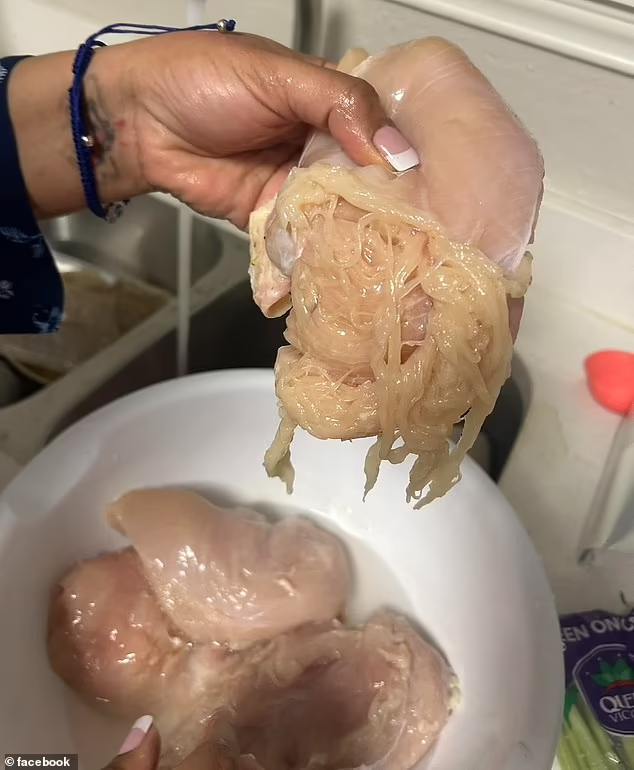
    When Alesia Cooper from Texas began washing chicken breasts for her kids’ dinner, she thought she was preparing an ordinary meal. But as she rinsed the meat, something strange happened — the chicken began falling apart in long, stringy fibers, almost like cooked spaghetti.

    At first, Alesia feared she’d bought fake meat. “I think it’s fake,” she posted online, sharing photos that quickly went viral. But experts soon explained that what she’d found wasn’t synthetic — it was a disturbing side effect of modern poultry farming, known as “spaghetti meat.”

    “It’s caused by chickens being bred to grow too big, too fast,” explained food scientist Dr. Massimiliano Petracci.

    Over the decades, commercial chickens have changed dramatically. Fifty years ago, it took nearly four months for a bird to reach market weight. Today, it takes just 47 days — and they’re twice as large. But their muscles can’t keep up with that unnatural growth, leaving the meat oxygen-deprived and weak. The result? Fibers that tear apart, turning once-firm chicken into mushy, string-like strands.

    Though safe to eat, many find it unsettling — a visible reminder of how far our food systems have strayed from nature. Some companies, like Whole Foods and Wendy’s, are now turning back to slower-growing, higher-welfare chickens for better taste and texture.

    For Alesia, the experience changed everything. “I haven’t cooked chicken off the bone since,” she admitted. And for millions who saw her post, dinner may never look the same again.

  • Vaping made my lungs collapse twice at age 20 – now they’re permanently scarred

    Vaping made my lungs collapse twice at age 20 – now they’re permanently scarred

    When Karlee Ozkurt first picked up a vape at 15, she thought it made her look “badass.” But five years later, that choice nearly cost her life.

    The Wisconsin native began vaping daily in high school — puffing through entire disposable vapes with fruity flavors like blueberry and watermelon. What started as teenage curiosity quickly became addiction. By 20, her doctors had a grim warning: she might not live past 40.

    In 2021, Karlee’s right lung suddenly collapsed. The pain was unbearable — “like my lung was on fire,” she recalled. Doctors urged her to quit, but after months of trying, she slipped back into the habit. A year later, it happened again — only worse.

    “The second time, my lung collapsed completely. The doctors had to fuse it to my chest wall,” she said.

    Surgeons discovered deep scarring across her lungs — permanent damage they blamed on years of vaping. “You never think it’ll happen to you,” Karlee admitted. “But it happened to me.”

    Now, even after surgery, she struggles to breathe deeply. Doctors warned that her lungs may never fully heal. Despite the trauma, nicotine’s grip remains strong — a battle she’s still fighting daily.

    Karlee’s story has become a plea to young people: don’t start. “It’s not cool — it’s stupid,” she said. “You don’t need vaping to live.”

    Her voice trembles when she talks about the future. “I just hope others listen before it’s too late.”

  • Man with one-inch penis opens up about life with a micropenis

    Man with one-inch penis opens up about life with a micropenis

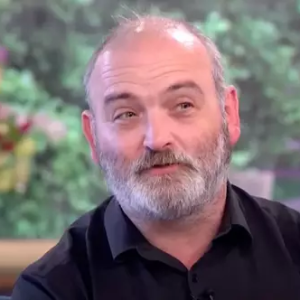
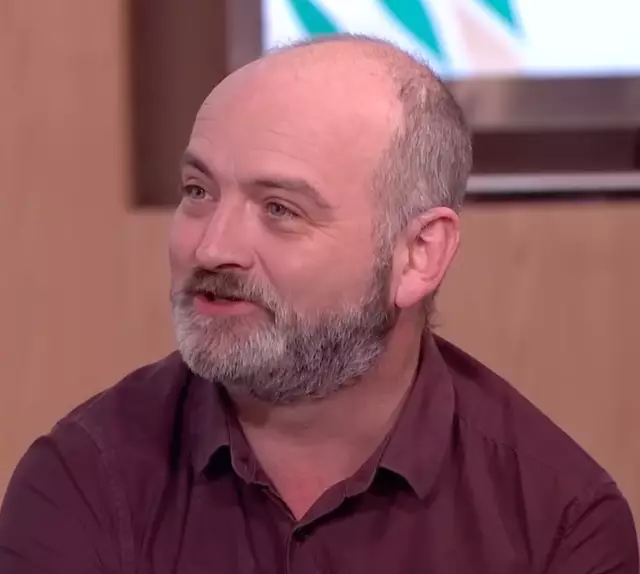
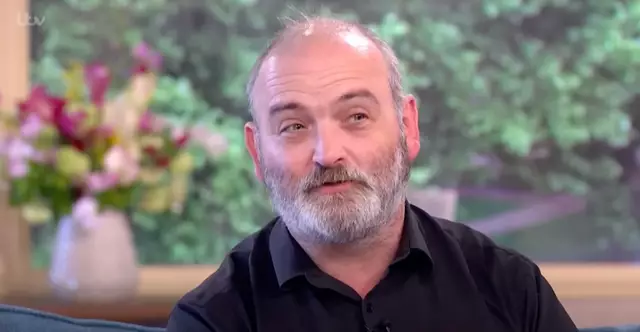
    For years, Ant Smith carried a quiet shame. Born with a micropenis measuring just one inch flaccid, he grew up believing something was deeply wrong with him. The teasing started early — locker rooms, jokes, and whispers that cut deeper than anyone knew.

    But today, Ant, a British poet and performer, speaks openly about it — and his story has inspired thousands. Appearing on a UK morning show, he explained that while the term “micropenis” is technically medical, he finds it limiting. “It’s just a label,” he said. “We’re all different. No one should be measured by one body part.”

    “Somehow, size became linked to manhood — but it’s nonsense,” Ant said with calm conviction.

    For years, insecurity kept him from intimacy. He didn’t lose his virginity until 21 and admits even then, “I was terrified the condom would slip off.” But everything changed when he met his wife — a woman who loved him not for what he lacked, but for what he gave. “I use a lot more than that part of my anatomy,” he joked. “Love isn’t about inches. It’s about connection.”

    Now in his 50s, Ant uses his writing and poetry to challenge stigma and help others living in silence. “I thought I was the only one,” he said. “But speaking out made me realize — I was never alone.”

    His message is simple and powerful: accept yourself, fully and fearlessly.

  • Man left in coma on life support after an ingrown HAIR on his groin turned into deadly sepsis

    Man left in coma on life support after an ingrown HAIR on his groin turned into deadly sepsis

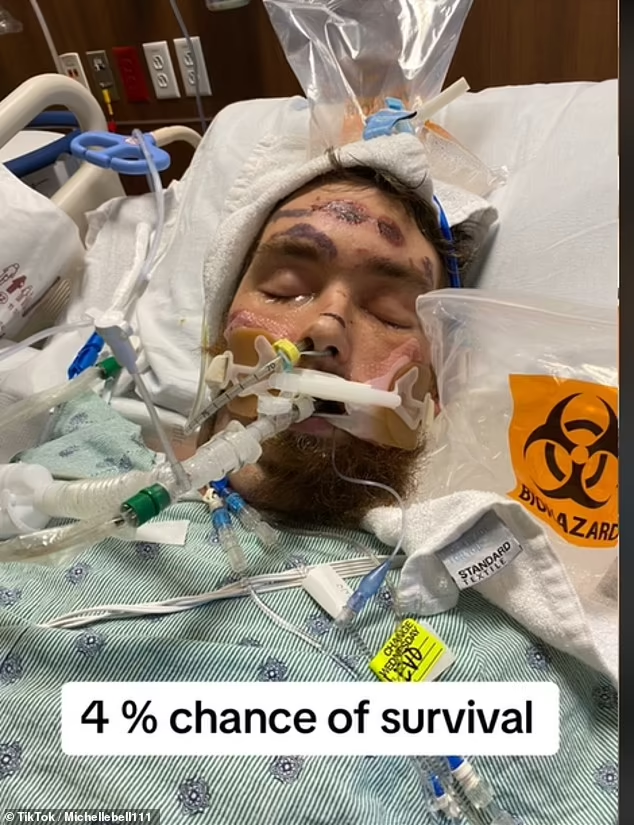
    It started with something so small — an ingrown hair on his groin. But for one man named Steven, it nearly cost him his life.

    In late 2022, Steven tried to remove the irritated hair himself. Within days, he grew feverish and weak. His sister, Michelle, later shared the horrifying truth: a simple infection had turned into sepsis, a life-threatening condition where the body’s immune system spirals out of control.

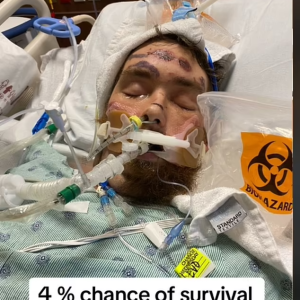
    “Doctors told us his heart was destroyed,” Michelle said. “They gave him a four percent chance to live.”

    Sepsis, often called the “silent killer,” strikes 1.7 million Americans each year and can claim a life within hours. In Steven’s case, it caused organ failure, blood clots, pneumonia, and acute respiratory distress. His body began to shut down. Placed in a medically induced coma, he was kept alive by machines as his family prayed for a miracle.

    To help his failing lungs, doctors used a rotating hospital bed that slowly turned him for 18 hours a day. “It looked like he was being roasted over a fire,” Michelle explained, her voice breaking. Despite the odds, Steven’s body fought back. After weeks of surgeries, including one to repair his damaged heart, he finally woke up — with no brain damage.

    Today, Steven is walking, talking, and enjoying his favorite hobbies again. His story is a reminder that even the smallest wound can spiral into something unimaginable — and that life, once nearly lost, becomes all the more precious.

  • The challenge axed by Guinness World Records for being too DANGEROUS

    The challenge axed by Guinness World Records for being too DANGEROUS

    Most of us can barely function after one sleepless night. But imagine staying awake for 19 straight days — 453 hours and 40 minutes without rest. That’s exactly what Robert McDonald did in 1986, pushing the human body to its breaking point. His record still stands — and it’s so dangerous that Guinness World Records no longer recognizes or tracks it.

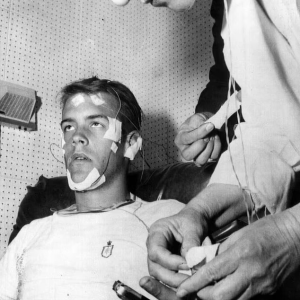
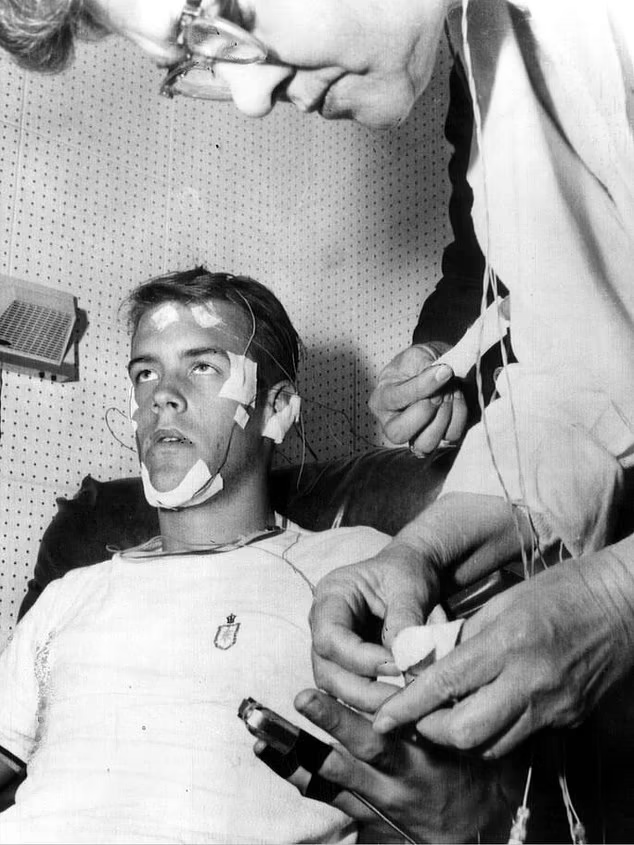
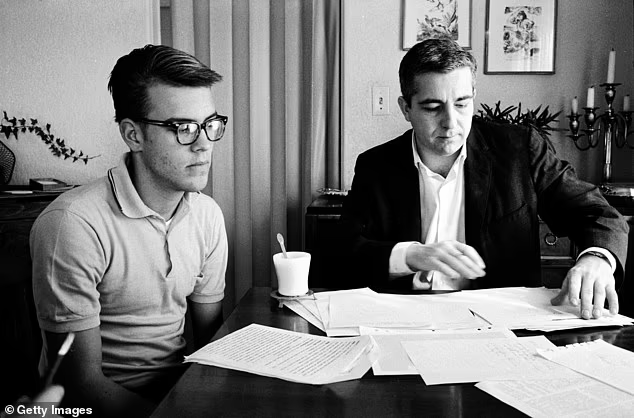
    The fascination with sleeplessness began decades earlier, when two high school boys, Randy Gardner and Bruce McAllister, decided to test how long a person could stay awake for a science project. It was 1963 — a time when the limits of the human mind still felt like something to be explored. But by the end, they weren’t just exhausted — they were changed.

    “We were young and stupid,” McAllister later admitted. “After three nights, I was writing notes on the wall just to stay awake.”

    Gardner, who stayed awake for 11 days, suffered terrifying symptoms — paranoia, memory loss, and hallucinations. His brain began “catnapping,” with some parts shutting down while others fought to stay awake. Scientists later discovered lasting effects from that kind of deprivation — proof that pushing the body too far comes with a price.

    Years later, others tried to break the record, but none succeeded — and some never fully recovered. What began as a test of endurance became a sobering lesson in limits. Sleep isn’t a weakness. It’s survival.

  • Disturbing footage shows mom Kristel Candelario, 32, calmly lying to cops about finding her 16-month-old baby dead – after she let her daughter rot in her play pen as she frolicked on in Puerto Rico beaches for ten days

    Disturbing footage shows mom Kristel Candelario, 32, calmly lying to cops about finding her 16-month-old baby dead – after she let her daughter rot in her play pen as she frolicked on in Puerto Rico beaches for ten days

    It’s the kind of story that chills you to the bone — a mother’s betrayal so complete, it’s hard to comprehend.

    When Kristel Candelario, 32, returned home to Cleveland in June 2023 after a ten-day trip to Puerto Rico, she told police a tragic story — that her 16-month-old daughter, Jailyn, had been sick and “refusing food.” But what she didn’t say was that she had left her little girl alone in her playpen, without food or water, while she enjoyed sun-soaked beaches and tropical cocktails.

    Body-cam footage shows her speaking calmly to officers, inventing details about her baby’s last days. “She was refusing,” she said, shrugging, as if confusion could soften the truth. While she smiled for vacation photos, her daughter was dying of starvation and dehydration in their home — a sight the medical examiner called unforgettable.

    “You committed the ultimate betrayal,” Judge Brendan Sheehan told her at sentencing. “Just as you didn’t let Jailyn out of her confinement, you will live the rest of your life in one.”

    Candelario has since been sentenced to life in prison without parole. In court, she wept and claimed she prays daily for forgiveness. But for those who knew Jailyn — neighbors who described her as “a happy baby, always smiling” — the sorrow runs too deep for words.

    It’s a tragedy that leaves every parent asking the same painful question: How could anyone walk away?

  • ‘It’s all a lie’: Woman who returned from Europe shares why life is much harder in the U.S.

    ‘It’s all a lie’: Woman who returned from Europe shares why life is much harder in the U.S.

    When Kayleigh Donahue returned home to Boston after four happy years in Ireland, she thought she was chasing the American Dream. Higher pay. Bigger opportunities. A better life. But once she settled in, she realized something heartbreaking — the dream wasn’t real anymore.

    Kayleigh’s story has struck a chord with thousands online. On TikTok, she explained that while her paycheck was larger in the U.S., her quality of life plummeted. Between soaring rent, healthcare costs, and limited vacation time, she found herself working harder but saving less. “I really got sucked into the American Dream,” she admitted. “But it’s a lie. It used to mean something — now, it’s just struggle.”

    In Ireland, Kayleigh had enjoyed more affordable living, safer communities, and time to breathe. Back in America, she felt constantly tired — always chasing bills, never rest. “You make more money,” she said, “but you can’t live.”

    “Who wants to work harder for a lower quality of life?” she asked, her voice weary but honest.

    By 2025, she made a life-changing choice again — this time for good. Kayleigh moved to Amsterdam with her Dutch husband, choosing peace over pressure. There, she enjoys 20+ paid vacation days by law, affordable healthcare, and time to actually live.

    Her journey is more than a viral post — it’s a mirror. A reminder that success isn’t always about money. Sometimes, it’s about balance, contentment, and the courage to start over.

Daily News