Covid booster vaccine reawakens world’s deadliest virus inside man’s body
A 47-year-old man in India walked into a clinic with aching hands and stiff fingers. Doctors diagnosed rheumatoid arthritis and started standard medicines that calm an overactive immune system.
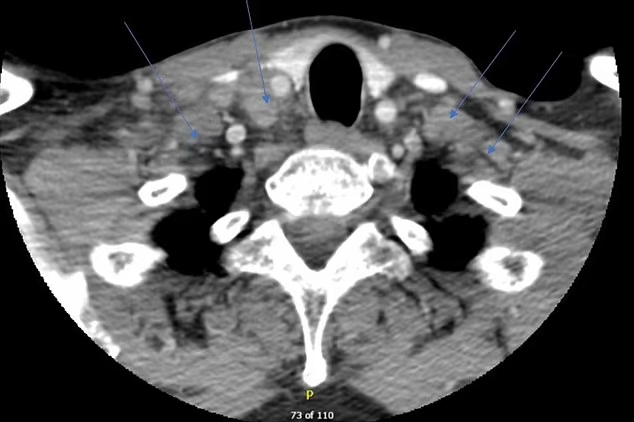
Soon after, he received two Pfizer Covid-19 shots. Months later, he developed headaches, fevers, drenching night sweats, and painful swelling in the glands on his neck. A scan showed enlarged lymph nodes. Doctors stopped his arthritis drugs and took a biopsy. The test pointed to tuberculosis, a bacterial infection that can stay quiet for years and then surge when the body’s defenses shift.

He began the usual four-drug TB treatment and quickly felt better. Then he took a Covid booster. Within days, the fevers and sweats came roaring back, stronger than before.
His care team suspected a rare reaction called TB immune reconstitution inflammatory syndrome. In simple terms, his recovering immune system may have reacted too aggressively while it “woke up” during treatment. So doctors added high-dose steroids to cool the inflammation while he stayed on TB medication.
Over the next months, his symptoms eased. After a long course of TB treatment, he returned to his arthritis plan with close follow-up.
Doctors stress that this kind of case appears extremely uncommon. Still, anyone with persistent fever, night sweats, or swollen glands should contact a clinician—especially if they take immune-suppressing medicines.