Covid boosters increase risk of virus that harms brain health, new study finds
A Covid booster may bring a small, short-term rise in shingles risk. That matters for many adults in midlife who watch both skin pain and brain health closely.
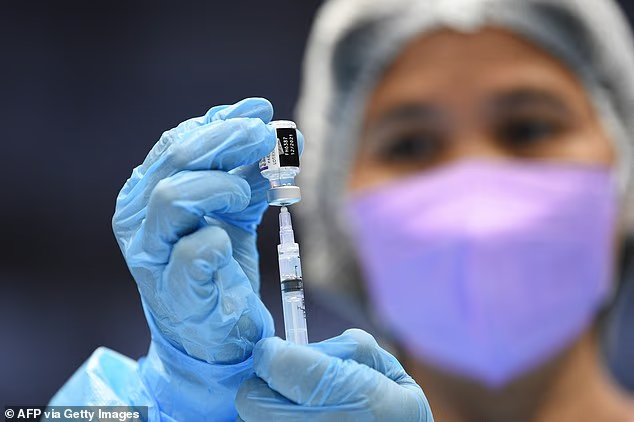
Researchers at the University of Groningen in the Netherlands reviewed electronic health records from more than two million people ages 12 and up who received at least one Covid vaccine. They tracked shingles diagnoses in the 28 days after vaccination. Across all doses, shingles risk rose seven percent. After a third mRNA dose, the increase reached 21 percent. Among men of all ages, vector-based vaccines linked to a 38 percent increase. The authors said the added risk stayed small, brief, and limited to certain groups, and most people received care in general practice.

The study appeared in the peer-reviewed journal Drug Safety on December 11. The team suggested a possible explanation. Vaccination can temporarily lower key immune cells, including lymphocytes, and may reduce T-cell activity for a short time. Those shifts could let the virus behind shingles flare. The researchers stressed that the findings show a limited association, not proof of cause. They also noted mixed signals elsewhere, including a Hong Kong report of higher shingles hospitalizations after Pfizer/BioNTech vaccination and a U.S. claims study that found no increased risk.
Separate research linked severe shingles to later dementia. Adults 50 and older hospitalized with shingles showed seven times higher dementia risk. An Italian study of 132,986 adults ages 50+ found a two-fold rise in early dementia after one year among 12,088 people hospitalized with shingles.
If you weigh boosters, talk with your clinician about your personal risks and what symptoms should prompt a quick call.