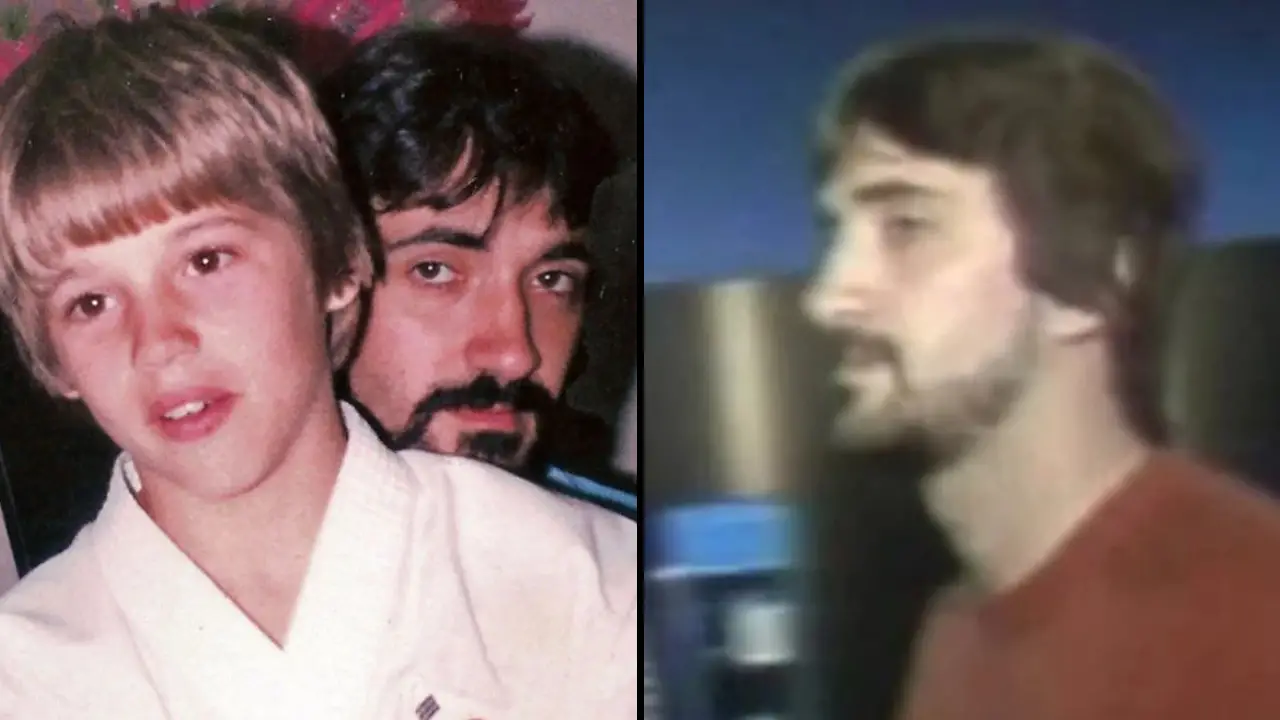
Dad Shot His Son’s Abuser On Live TV
When a child suffers abuse, every parent feels the same primal urge: protect, punish, restore order. Most families still choose the slow route. They call police. They trust courts. They wait.
In 1984, Gary Plauché did not wait.
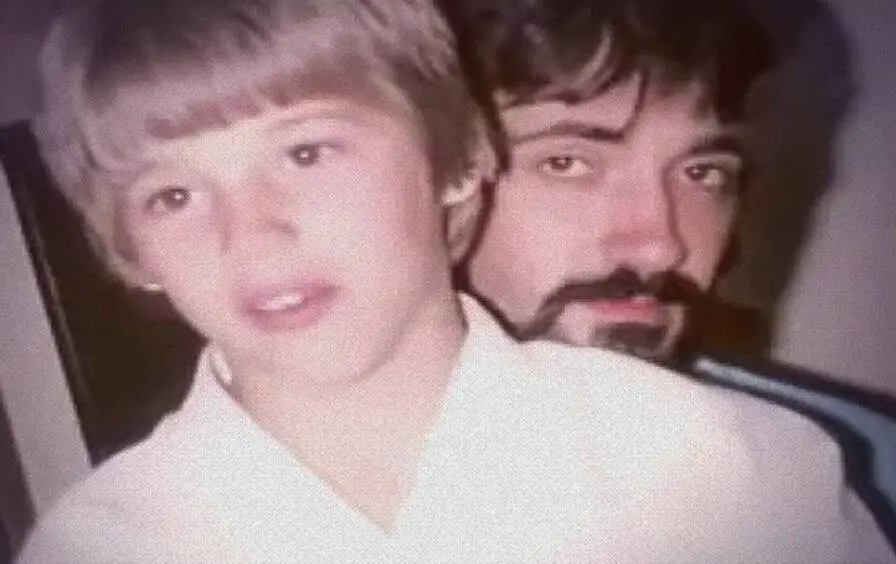
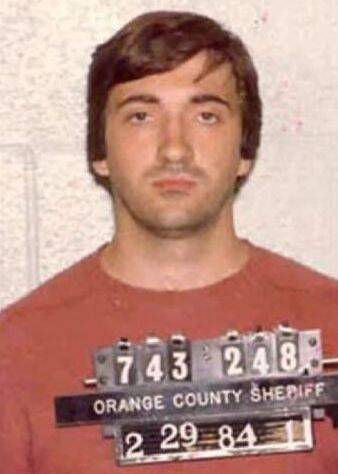
His 11-year-old son, Jody, had endured grooming, abduction, and sexual assault by a trusted karate instructor. Investigators eventually found the boy and arrested the man. Next, authorities prepared to bring the suspect back to Louisiana to face charges.
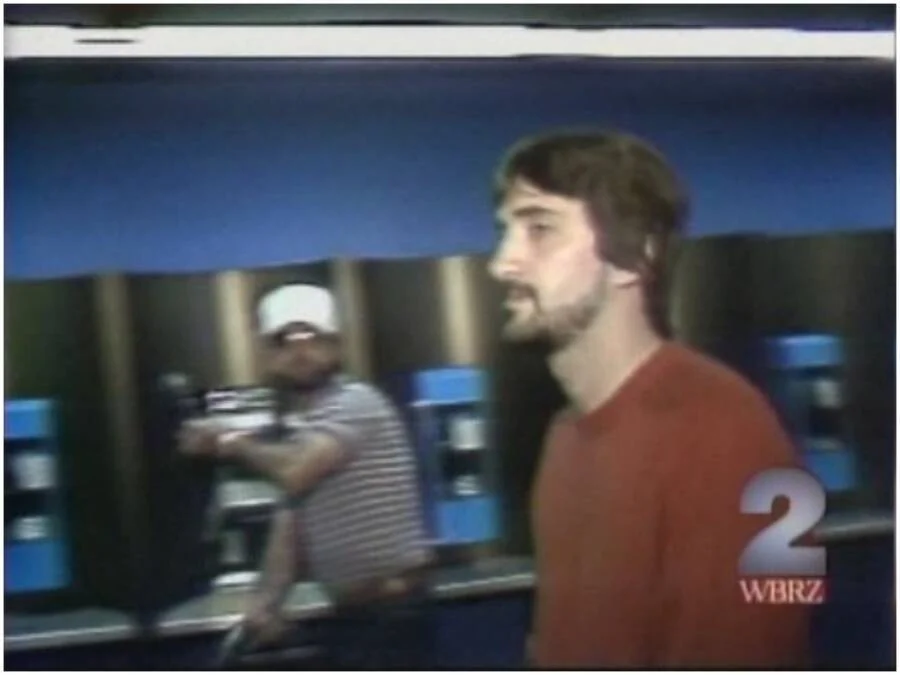
That is when the story took a turn that still unsettles people decades later. As cameras rolled during the suspect’s transfer, Plauché confronted him and fired a fatal shot in full public view. The moment aired on television and instantly split opinion. Some people called it a father’s righteous anger. Others called it vigilante violence, plain and simple.
Then came the quieter, harder truth. Jody later said he did not want his abuser to die. He wanted accountability through the justice system. He also had to live with the aftermath of what happened in his name.
A judge later sentenced Plauché to probation and community service. Meanwhile, Jody grew up, built a life, and turned his experience into advocacy for survivors and child safety.
This case still asks an uncomfortable question: when grief and rage collide, who gets to decide what justice looks like?