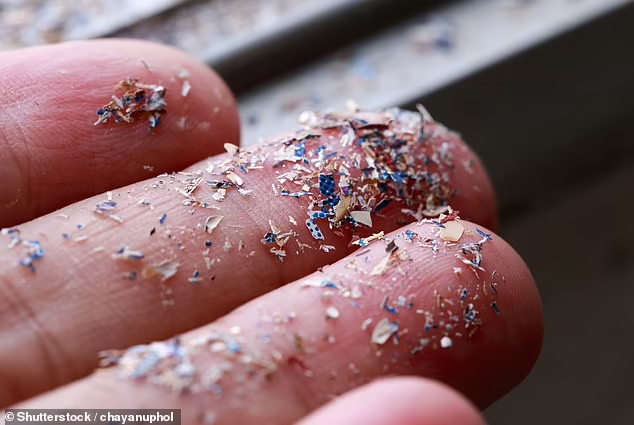
Many of us rely on simple kitchen tools every day, yet a growing number of experts warn that some of these items may bring unintended health risks. According to physician and author Dr. Joseph Mercola, several common utensils can release tiny plastic particles into our meals. These particles, known as microplastics, increasingly appear in research linking them to heart disease, hormonal disturbances, and even certain cancers.
Dr. Mercola explains that microplastics shed from everyday products. They can enter our food, water, and even the air we breathe. Moreover, once inside the body, they may build up in tissues and trigger long-term inflammation.

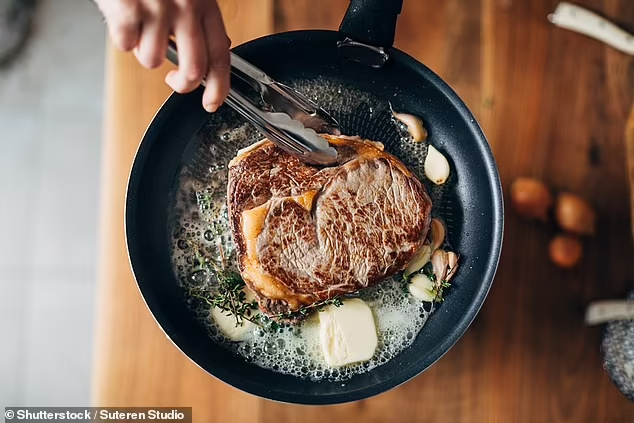
He highlights non-stick pans and plastic utensils as major concerns. Heat speeds their breakdown, which increases the release of these particles. Black plastic tools, he notes, often contain the highest levels of harmful chemicals.
However, the problem does not end there. Plastic cutting boards, food-storage containers, coffee pods, and spice grinders can also contribute to exposure. Dr. Mercola recommends simple changes. For example, wooden cutting boards limit plastic transfer during meal preparation. Glass containers keep foods free from chemical leaching. And loose coffee or tea reduces unnecessary contact with plastics found in many pods and bags.
He also urges caution with non-stick cookware. Although Teflon itself is not considered a carcinogen, earlier manufacturing chemicals have raised concerns. Stainless steel and ceramic pans offer safer alternatives.
As for spices, he suggests choosing glass jars without built-in plastic grinders, which can shed particles directly into food. According to Dr. Mercola, small changes in the kitchen may help reduce a growing and often overlooked risk.