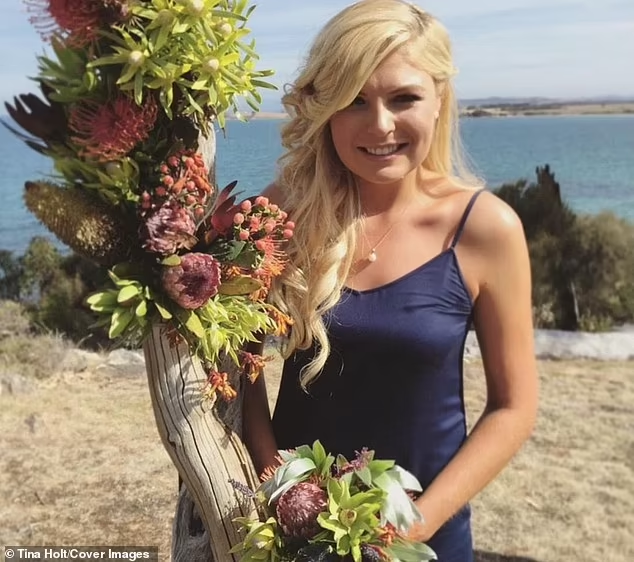
When 21-year-old paramedic Tina Holt returned home from a simple brunch, she expected an ordinary day. However, within minutes, everything changed.
A sudden, intense headache struck. Then her body stopped responding. She could not unlock her phone or even smile when her friend asked. Both women were trained paramedics, yet neither imagined the truth: Tina was having a stroke.
Her condition worsened quickly. She collapsed, vomited and lost the ability to speak. Although her friend insisted she had taken no drugs, first responders suspected an overdose. Only after a scan revealed a brain bleed was she flown to intensive care in Brisbane.
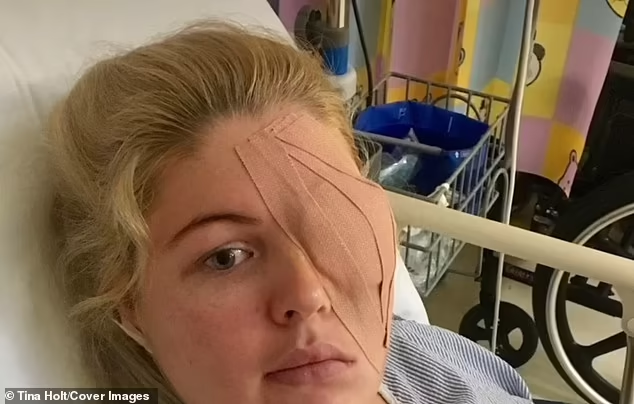
Doctors warned her family she might not survive. Tina spent days unconscious, followed by months of surgeries and rehabilitation. The bleed in her brainstem caused lasting damage. She lost movement on one side of her body, needed a feeding tube and later developed a rare facial tumour.
Recovery has taken nine years, not the two she once hoped for. Moreover, she still uses a wheelchair. Yet Tina remains determined. She trains at the gym, swims and cycles. She also shares her story online to educate others.
Her message is clear: strokes do not only strike older adults. She experienced just one early sign—a headache that appeared minutes before the attack.
Health experts echo her warning. Stroke rates among younger people are rising. High blood pressure, poor diet and inactivity all increase risk.
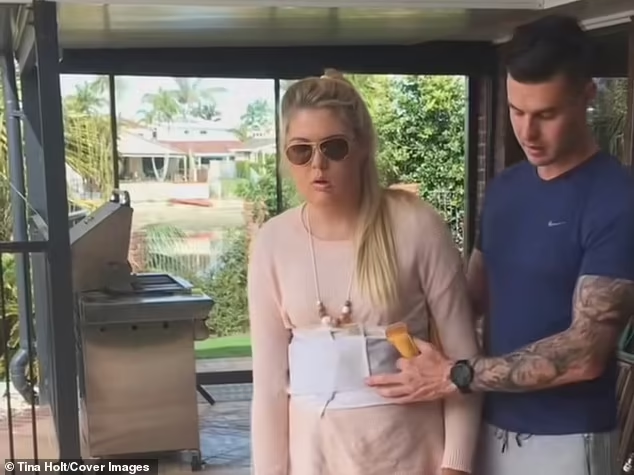
Tina now hopes her journey encourages others to recognise symptoms early and seek urgent help.