At 27, Marcus Graham says the past few years have stripped away the life he worked hard to build.
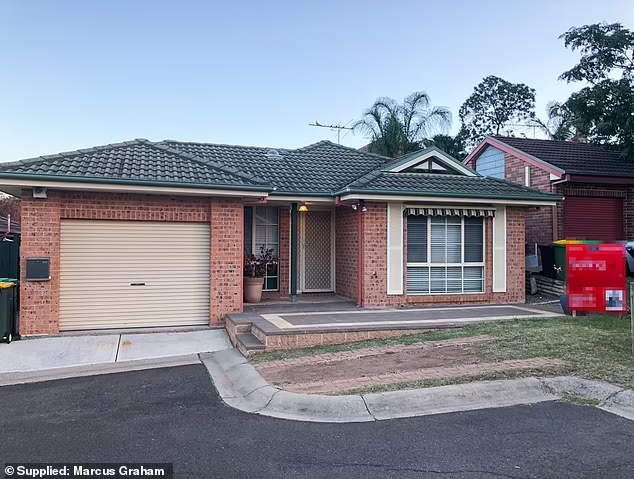
He bought a three-bedroom home in Cranebrook, in Sydney’s west, with his then-wife in 2018 for $580,000. For a while, the repayments felt achievable and the future looked secure.
Then the pandemic changed everything.

Lockdowns cost Marcus his job. Even with temporary repayment relief, interest continued to add up. As rates rose, his monthly costs climbed fast, and he fell about $32,000 behind on the mortgage.
He tried to recover—jumping between jobs, starting a photography side business, and taking physically demanding work when he could. But when his wife also lost her income, the pressure became overwhelming. By late 2021, their relationship collapsed under the weight of financial stress.
In 2022, he sold the home for around $100,000 more than they paid—but says the sale still left him with “nothing” once debts and costs were settled. He spent months living alone, then moved back in with his parents as his mental health deteriorated.
Today, Marcus is rebuilding with a new partner, but rental life brings its own instability: rising prices, short leases, and fierce competition at inspections.
He’s now urging others in similar situations—people he calls “invisible”—to share their stories, and warns that for many, the traditional “Australian dream” feels out of reach.