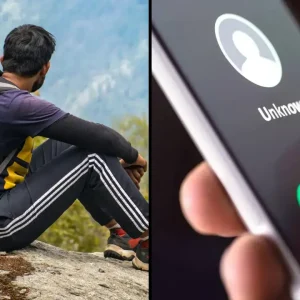
A hiker in Colorado learned a hard lesson after spending an unexpected night on Mount Elbert. He was lost for nearly 24 hours—yet repeatedly ignored calls from search teams trying to reach him.
He later admitted he hadn’t answered because the calls came from an unfamiliar number.
The man set off early in the morning and was expected home that evening. When he didn’t return and stopped answering his phone, friends alerted Lake County Search and Rescue. Teams immediately launched an overnight search, worried he might be injured or stranded in the cold.

By the next morning, the hiker finally found his way back to his car. He had unknowingly strayed from the main trail and spent hours trying to reorient himself. He told rescuers he had no idea anyone had been searching for him.
Search and Rescue later shared a gentle reminder with the public. “If you’re overdue and begin receiving repeated calls from an unknown number, please pick up,” the team wrote. “It may be us trying to confirm you’re safe.”
They also emphasized compassion. When someone is lost, they said, panic can cloud judgment. What seems obvious afterward may not feel obvious in the moment.
On social media, many people reacted with humor and empathy. One commenter noted how relentless spam calls have become. Another pointed out that fear can override common sense.
Experts advise hikers to stay calm if they lose their way. Rest, think through your route, observe landmarks, and make a plan. Use your phone if possible, signal for help, and stay visible. Most importantly—if rescuers call, answer.
Leave a Reply