The day I stopped sending my 14-year-old daughter to school, she was on the bathroom floor—pale, shaking, and vomiting from anxiety. Again.
There was no dramatic decision. I simply knew: this could not continue.
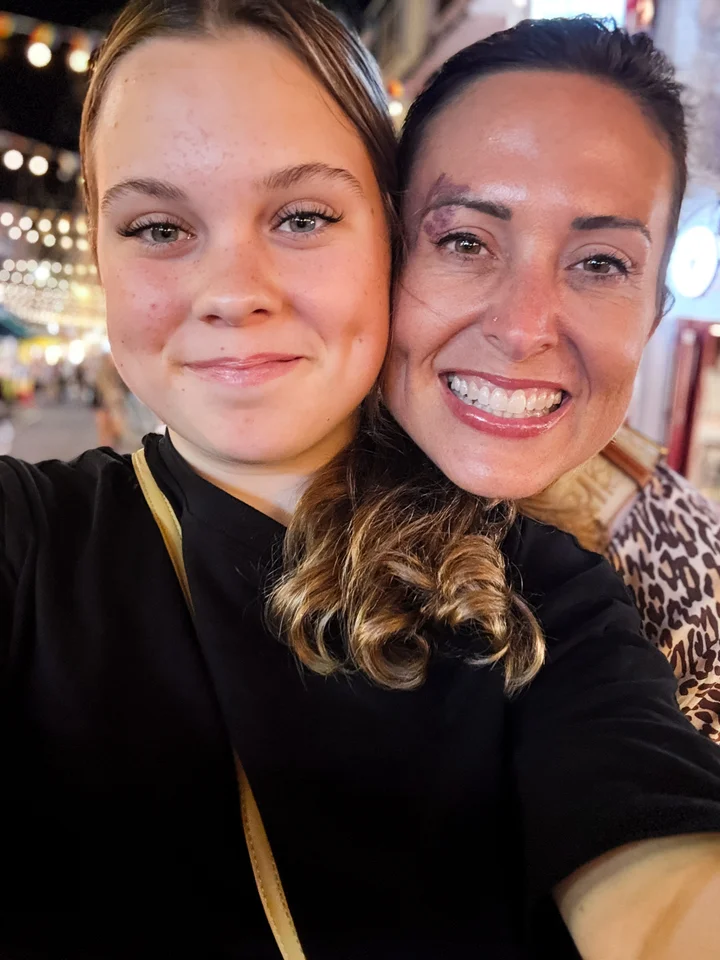
My daughter is neurodivergent, with dyslexia, dyscalculia, and inattentive ADHD. On paper, she looked “fine.” She wasn’t failing. But the hidden cost was crushing—morning tears, constant nausea, exhaustion, and a level of stress that left her surviving school and collapsing at home.
What shocked me most? The system didn’t flag it. No teacher raised alarms. I had to push for assessments, chase diagnoses, and advocate while she masked her struggles every day.
Medication helped, especially for ADHD and anxiety. But the biggest shift came when we stepped away from the classroom.
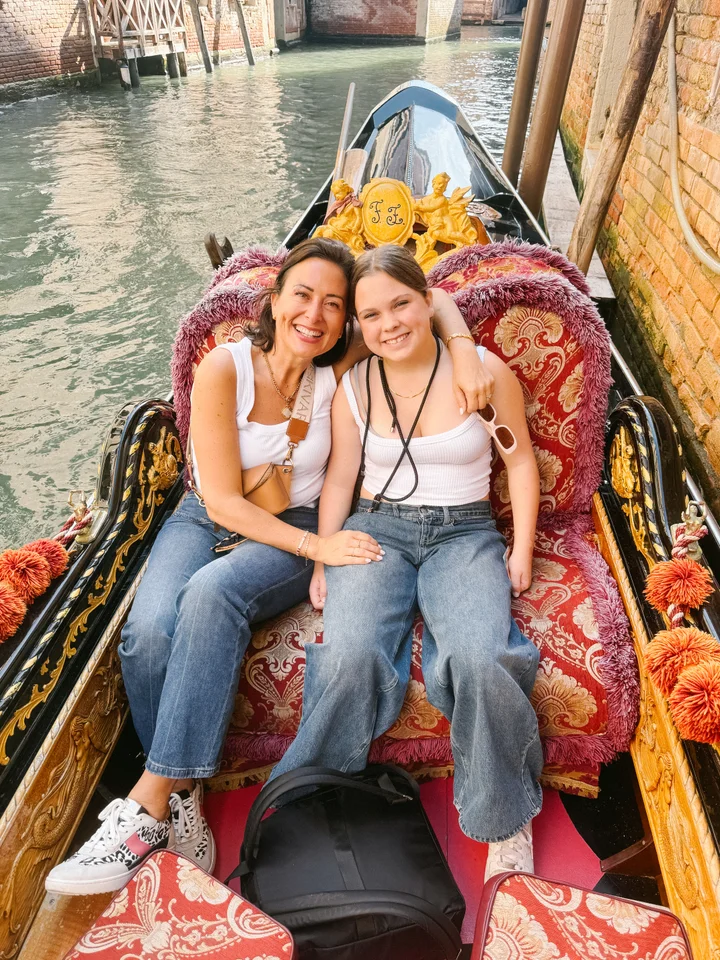
This term, she’s been learning in real life. She earned first-aid training, learned barista skills, explored creative makeup, worked part-time at a café, and traveled for hands-on experiences. For the first time in years, her body relaxed. The stomach aches stopped. The dread disappeared. Her spark came back.
Next year, she’ll start accredited virtual school—live, teacher-led lessons each morning, with afternoons free for rest, life skills, and learning that fits how her brain works.
People ask about socialization. My answer is simple: being surrounded by students while feeling unsafe and alone isn’t socializing. It’s endurance.
She isn’t broken. The model was. So we built a better one.