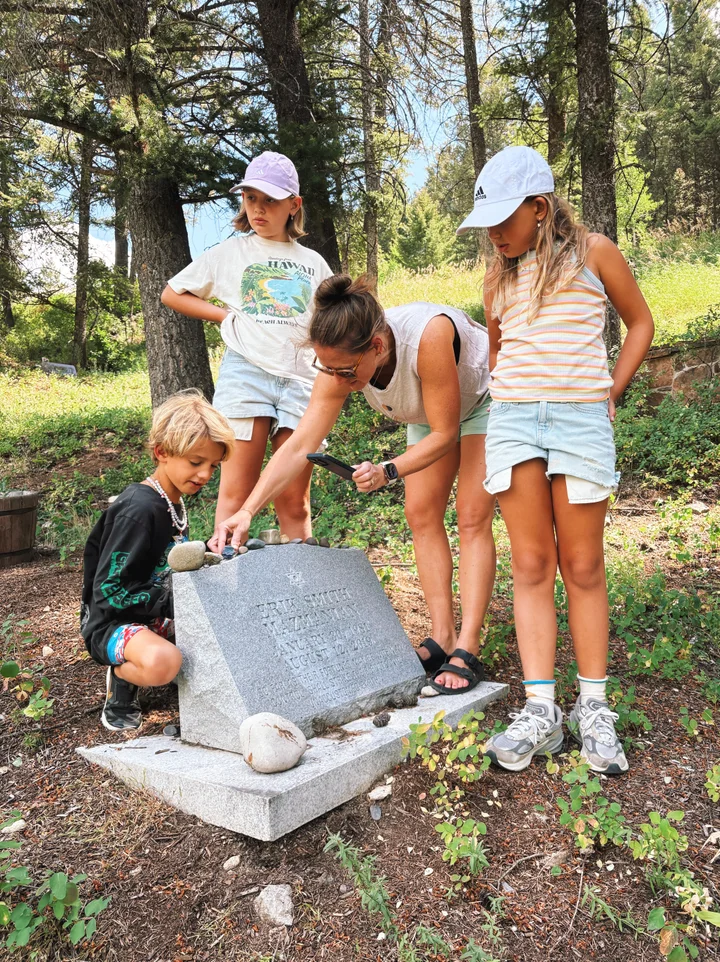
At 35, I never expected to lose my husband, Erik, to a rare liver cancer. I definitely didn’t expect the long nights in hospital rooms, the sudden role of executor, or the loneliness that followed.
In the early days, I even told my in-laws I couldn’t imagine staying “family” after Erik died. I thought the only way to survive would be a clean break—new city, new life, no reminders.
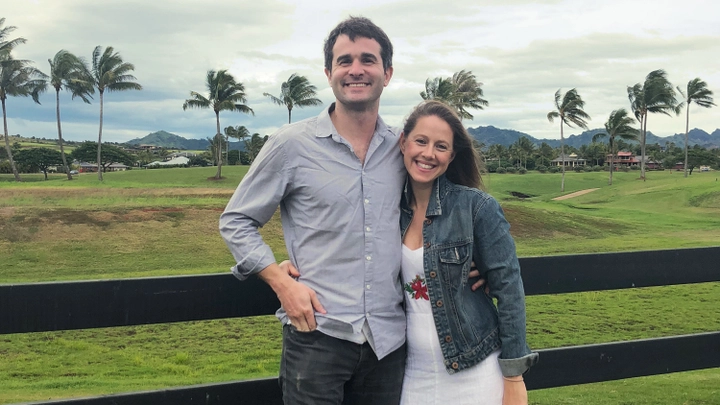
Then Erik passed, and everything I believed about grief changed.
Instead of pulling away, I found myself reaching for Brian and Carol. We had already learned how to lean on each other through months of appointments, impossible decisions, and shared exhaustion. Their steady presence felt like safety when my world didn’t make sense.
Afterward, we kept talking—nearly every day. The calls started as survival. Slowly, they became life again: holiday updates, small wins, and moments that made Erik feel close. When I started dating, Carol became my unofficial coach, listening without judgment and cheering me on.
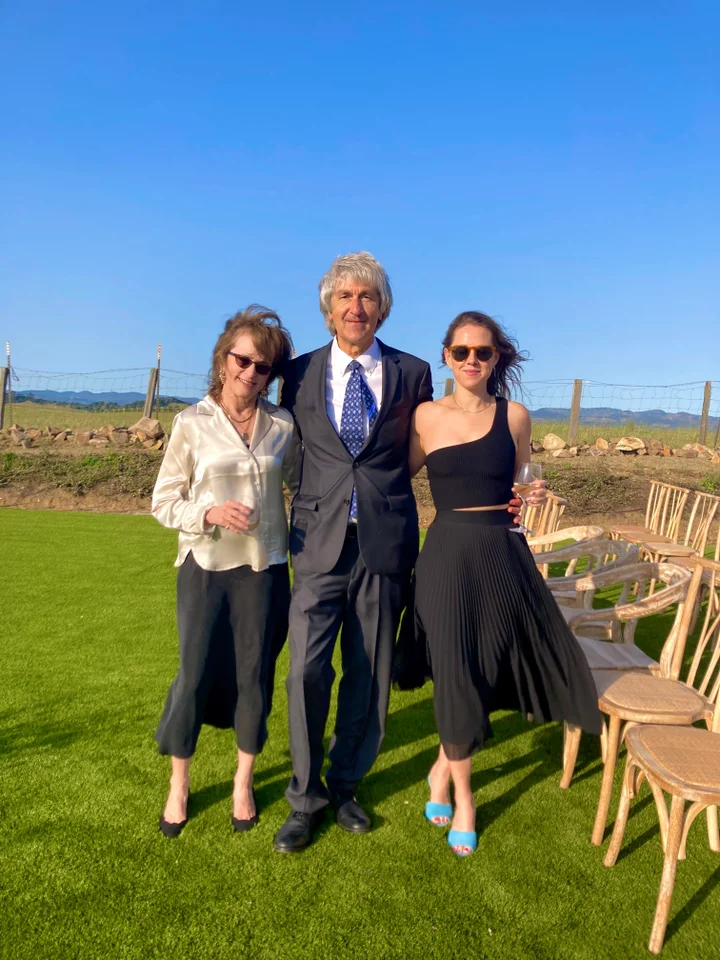
Years later, at a wedding, I finally admitted how awkward it felt when strangers asked how we were related. Brian’s answer stopped me cold: You’re our daughter. Carol agreed. No paperwork, no conditions—just love.
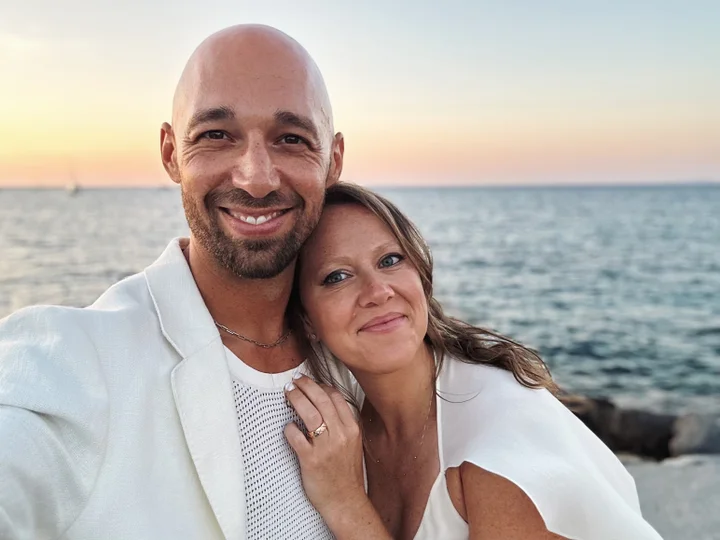
Later, when I remarried, I worried that bond would fade. Instead, they welcomed my new husband and stepchildren with open hearts, even while carrying their own grief.
The inheritance Erik left me wasn’t money. It was something bigger: an unexpected, enduring family—proof that healing doesn’t always start by leaving. Sometimes it begins by staying.