At 32, J. Ben Morton thought he had his identity figured out. Then a single phone call shattered his certainty.
It started in 2017, after he mailed a saliva sample to a DNA testing company. Weeks later, a customer care rep asked unusual questions: had he shared the kit, had a transplant, anything that could explain the results.
Then came the line he didn’t expect: his profile said male, but his DNA markers appeared female.
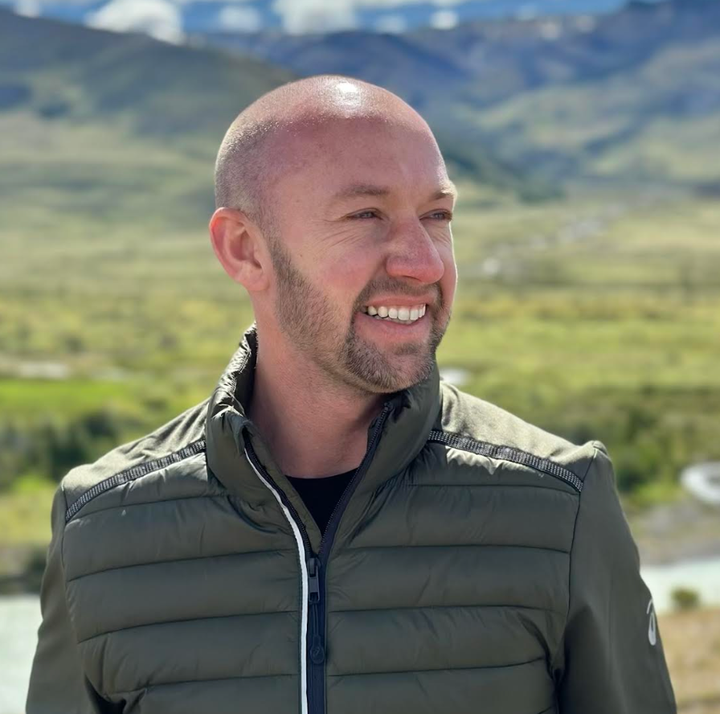
Morton had grown up in a strict, faith-based environment where sex was taught as simple and fixed. He knew the basics—XX for women, XY for men—but he’d never been told there are natural variations in chromosomes, hormones, and anatomy.
For more than a year, he searched for answers. Eventually, he met with specialists in New York, who diagnosed him with XX testicular DSD, a type of intersex variation. Doctors explained that a key gene linked to male development can shift during early development, creating a body that doesn’t fit neat categories.
The diagnosis brought clarity—and relief. It also opened doors to better health care, including guidance on hormones and long-term risks.
Today, Morton says the experience changed how he views sex, gender, and policy. To him, reducing sex to two boxes ignores real people, invites discrimination, and can block essential care.
His takeaway is simple: the more we understand human biology, the more compassion—and better outcomes—we create.