I thought bowel cancer was an ‘old person’s disease’ – then my sister and I got it in our 30s. These are the symptoms we wish we knew about
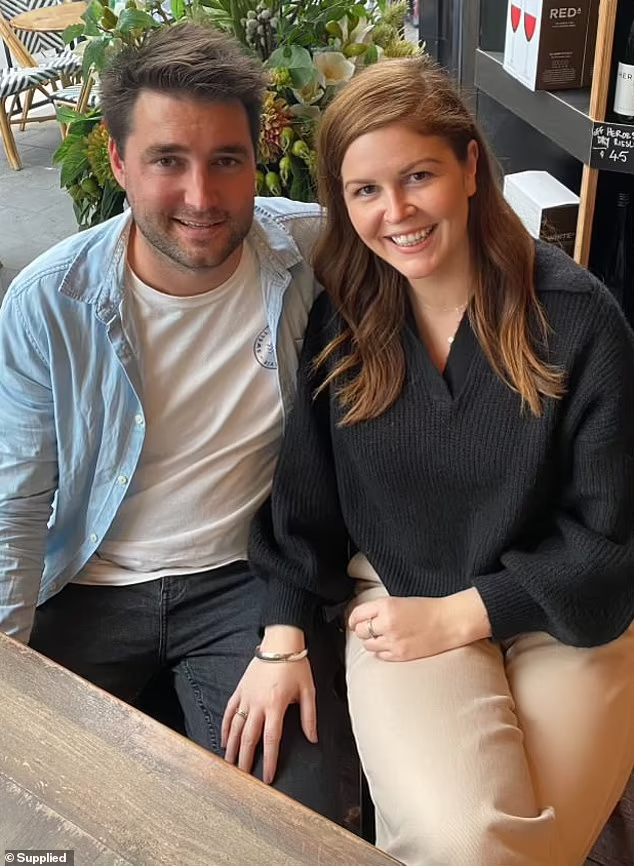
Elise Stapleton, 37, once believed bowel cancer was a disease that mainly affected older people. That belief changed when both she and her sister were diagnosed in their 30s.
Her sister was diagnosed first. Family members were tested, and Elise’s initial results were clear. Less than two years later, she began experiencing ongoing abdominal pain, frequent diarrhoea, and fatigue. She assumed the symptoms were linked to her long-standing endometriosis.
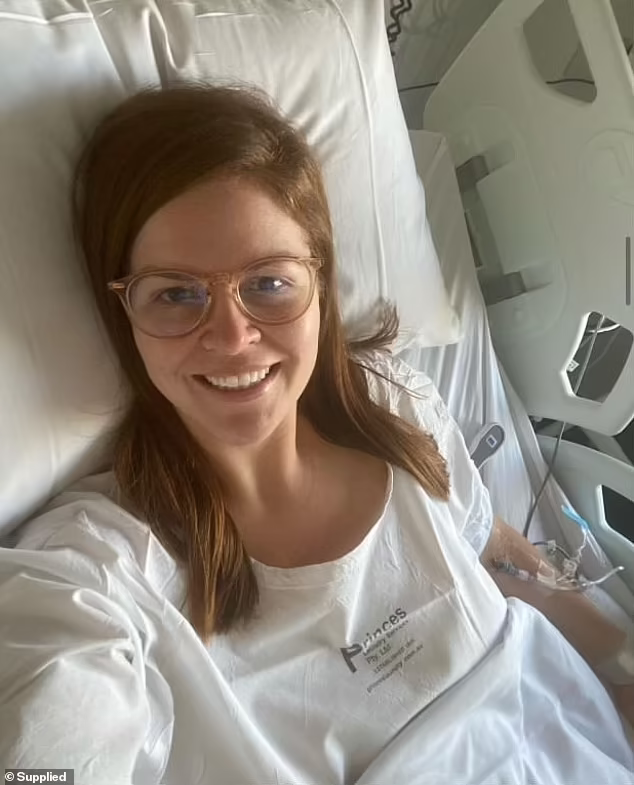
When the discomfort continued, her doctor ordered a scan. It revealed a mass in her bowel. Surgery later confirmed stage three bowel cancer. Part of her bowel was removed, and she underwent several months of chemotherapy.
Elise describes the diagnosis as a complete shock. She had no family history or genetic markers linked to the disease. Her pregnancy plans were put on hold while she focused on treatment and recovery.
After surgery and chemotherapy, follow-up scans showed no evidence of active disease. She has since returned to normal life and is now engaged.
Elise is using her experience to raise awareness. She urges others not to ignore persistent symptoms such as changes in bowel habits, unexplained fatigue, abdominal pain, or blood in stool.
Health experts note that bowel cancer rates are rising among younger adults. Early detection greatly improves outcomes. Elise’s message is simple: if something feels wrong, seek medical advice.