Inside controversial world of sex workers who service disabled people
A small group of licensed sex workers in Nevada is drawing attention for providing services to clients with physical and developmental disabilities—a topic that remains controversial even within the legal sex-work industry.
Hannah Whitmore Foxx has spent a decade working at the Moonlight Bunny Ranch, one of the few legal brothels in the United States. Over the years, she has met clients with a wide range of disabilities, from mobility challenges to communication difficulties. Many come not only for intimacy, but also for help building confidence, practicing social skills, or learning how to date. Some even bring parents or partners to help explain their needs and set boundaries.
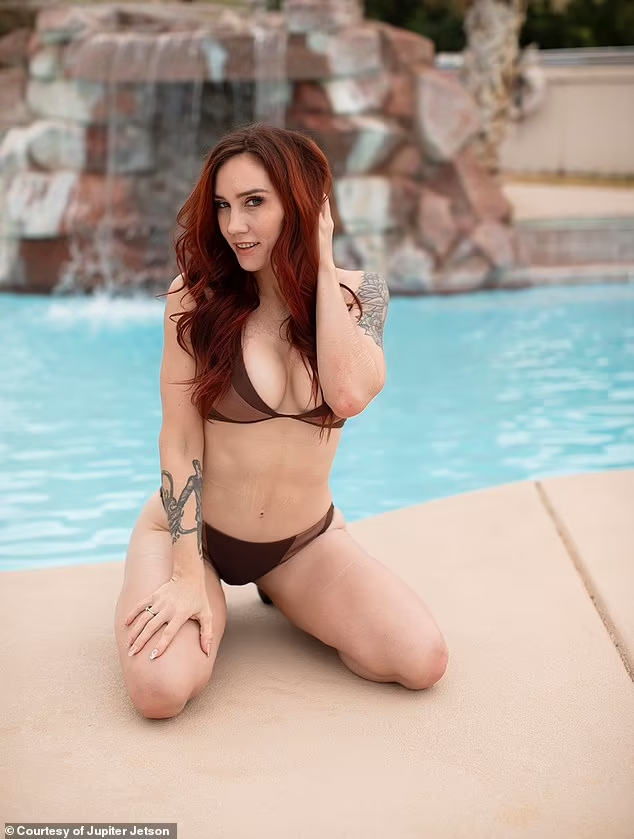
Another licensed worker, Jupiter Jetson of Sheri’s Ranch, has supported clients with conditions such as autism, Down syndrome, cerebral palsy, paralysis, and war-related injuries. She says people often underestimate disabled adults and wrongly assume they lack interest in relationships or physical closeness. Both women argue that respectful, consensual connection is a basic human need, and that disabled individuals are frequently denied that dignity.
Working with these clients often requires adjustment. For someone sensitive to noise or lighting, a quiet room may be essential. A wheelchair user may need adapted positions. Medication-related issues such as low libido or muscle stiffness also require thoughtful, personalized approaches.
For some clients, the focus is not sexual at all—dinners, conversation, or practicing dating etiquette can be just as meaningful. Foxx says her favorite moments come when clients leave feeling attractive, confident, and more prepared for healthy relationships.
Although sex work remains illegal across most of the U.S., other countries are expanding access for disabled adults. Parts of Australia even include sexual services within disability-support programs, recognizing the role of intimacy in overall wellbeing.