A massive apartment complex in China is drawing global attention for what many are calling a “dystopian” way of living. The building, known as Regent International, is home to roughly 20,000 residents—enough people to fill a small town—yet many of them rarely need to step outside.
Located in Hangzhou’s Qianjiang Century City, the 675-foot structure was originally designed as a luxury hotel. Today, it functions as a self-contained community, offering nearly everything a resident might need. Small apartments start at around $220 per month, appealing especially to young professionals. Within the complex are supermarkets, salons, restaurants, fitness facilities, swimming pools, and even internet cafés.
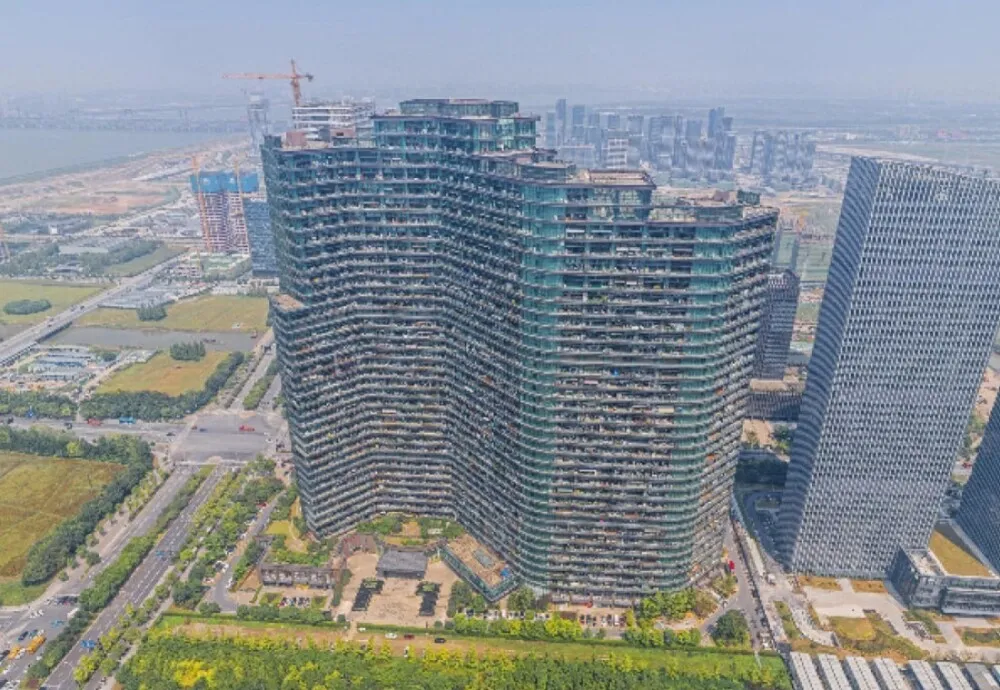
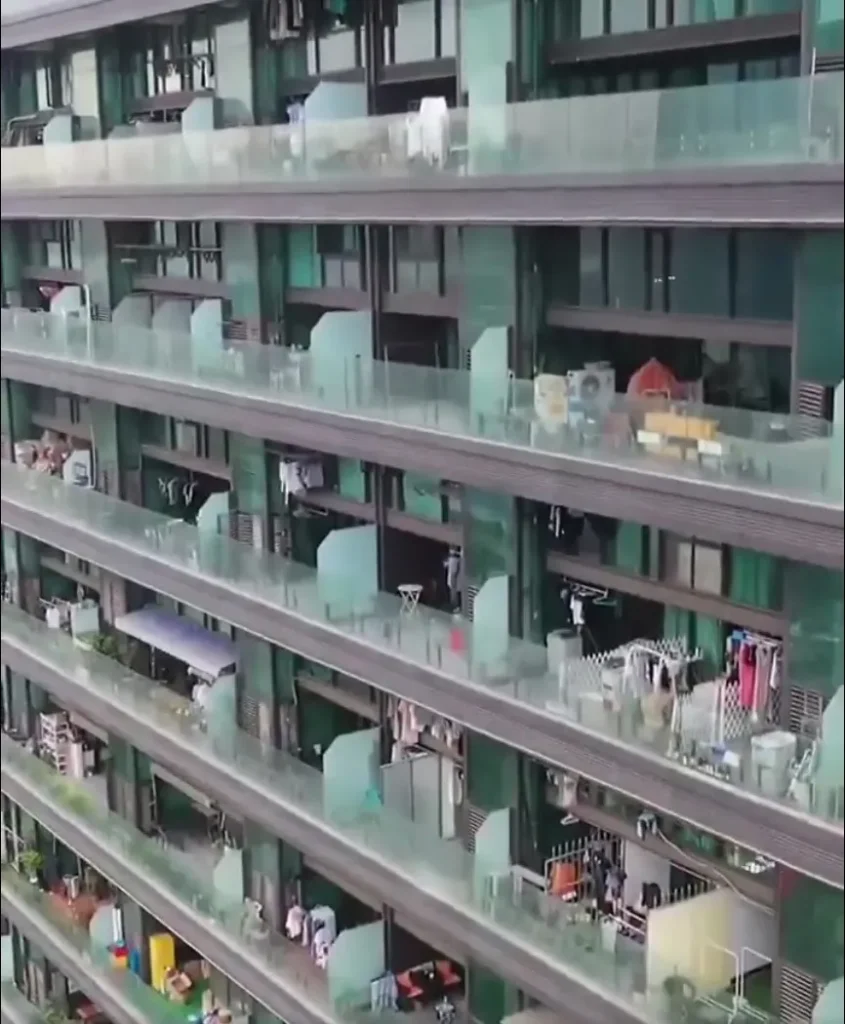
Social media reactions to the building have been sharply divided. Some viewers expressed discomfort at the idea of thousands of people living within one structure, calling it “claustrophobic,” “depressing,” or reminiscent of a controlled future. Others praised the convenience and environmental benefits of dense living, noting that such developments reduce urban sprawl and make daily life more efficient.
Supporters argue that buildings like Regent International represent an eco-friendly solution to rising housing costs and overcrowded cities. Critics, however, worry that living in such a confined environment could limit social interaction and connection to the outside world.
While Regent International may seem unusual, similar “vertical communities” exist across Asia. Large housing estates in Hong Kong, for example, house tens of thousands of residents and include schools, parks, and recreational centers. Even remote places like Whittier, Alaska, rely on single-building living to accommodate entire towns.
Whether viewed as practical or unsettling, Regent International offers a striking glimpse into the future of hyper-efficient urban housing.