‘Loving and caring mother’ killed herself and disabled son on anniversary of husband’s death – two days after being sent home with terminal cancer diagnosis
An inquiry has found that a hospital missed key chances to help a 67-year-old widow who died by suicide two days after receiving a terminal cancer diagnosis. Her 50-year-old son, who depended on her for daily care, also died.

Shirley Nunn of Middlesbrough had cared for her son Steven since he was a child. At age 11, he suffered a severe brain injury that left him with cerebral palsy, epilepsy, learning difficulties, and lifelong mobility problems. Steven needed round-the-clock support, and Ms. Nunn was his primary caregiver, with some help from adult social care services.
In July 2021, Ms. Nunn learned she had stage three lung cancer. A month later, doctors told her the cancer had spread and could not be cured. According to the Domestic Homicide Review, she was deeply worried about who would care for Steven after she died. The panel said hospital staff did not fully explore her emotional needs or her concerns about his future.
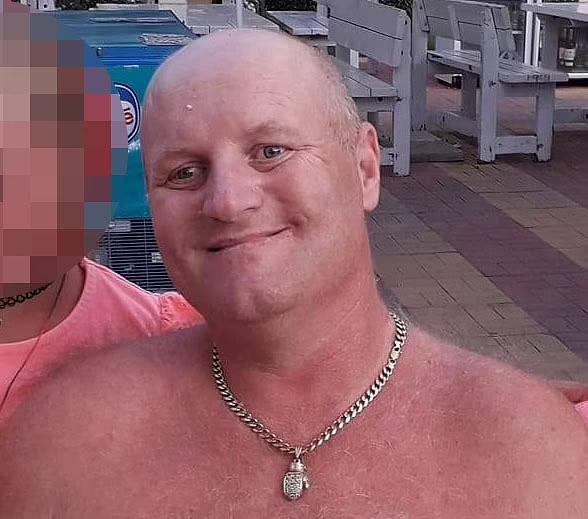
In the weeks leading up to her death, Ms. Nunn showed rising signs of stress. At one point, she expressed suicidal thoughts after her antidepressant medication was temporarily stopped. Even so, the review found no clear warning that she intended to harm herself or her son.
She returned to the hospital in early October for cancer-related problems and was discharged with plans for palliative care at home. Two days later, a family member discovered both Ms. Nunn and Steven dead.
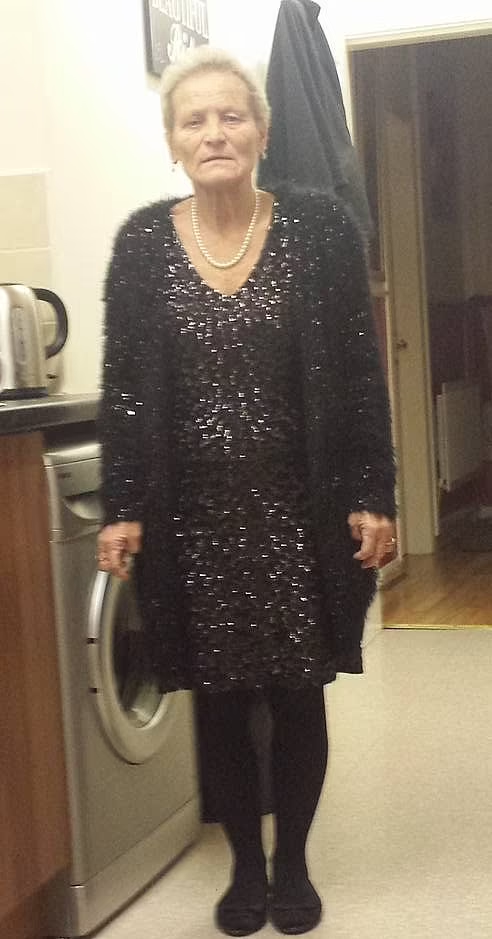
The review concluded that earlier conversations about Steven’s long-term care, faster support, and closer attention to Ms. Nunn’s mental health might have helped prevent the tragedy. It urged professionals to look beyond physical symptoms and recognize the emotional pressures faced by caregivers with a terminal diagnosis.