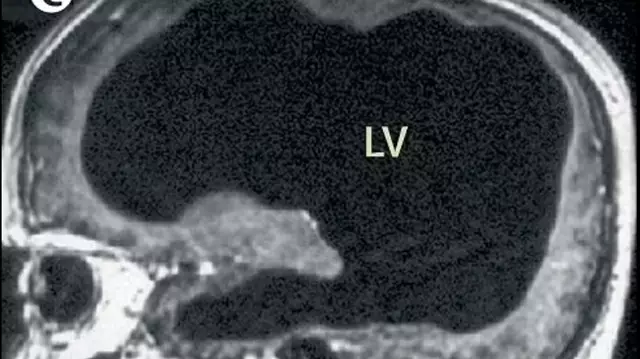
A 44-year-old man in France stunned the medical world when he went to the doctor for a leg ache. After a routine scan, doctors discovered that most of his brain was missing. Instead of brain tissue, his skull was mostly filled with fluid.
The man had a condition called hydrocephalus, often known as “water on the brain.” He was diagnosed as an infant and treated with a tube to drain the fluid. However, the tube was removed when he was 14. Over the next 30 years, the fluid slowly built up and pushed his brain tissue against the walls of his skull.

Despite having very little brain tissue left, the man lived a perfectly normal life. He was married, had a family, and held a steady job. While his IQ was slightly below average, he showed no signs of significant mental impairment.
This case has forced scientists to rethink how the brain works. It suggests that the human brain is much more adaptable than once thought. If parts of the brain are lost slowly over time, other areas can learn to take over their roles.
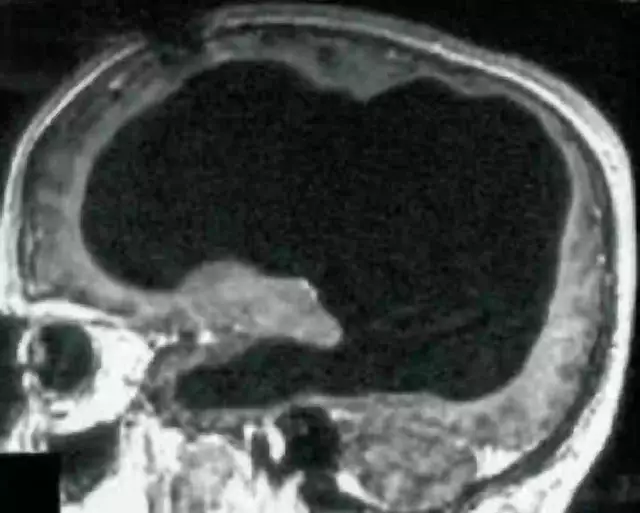
This discovery challenges the idea that specific parts of the brain are responsible for our consciousness. It shows that even with major physical changes, the mind can find a way to function. The brain’s ability to rewire itself remains one of the greatest mysteries in medicine.
Leave a Reply