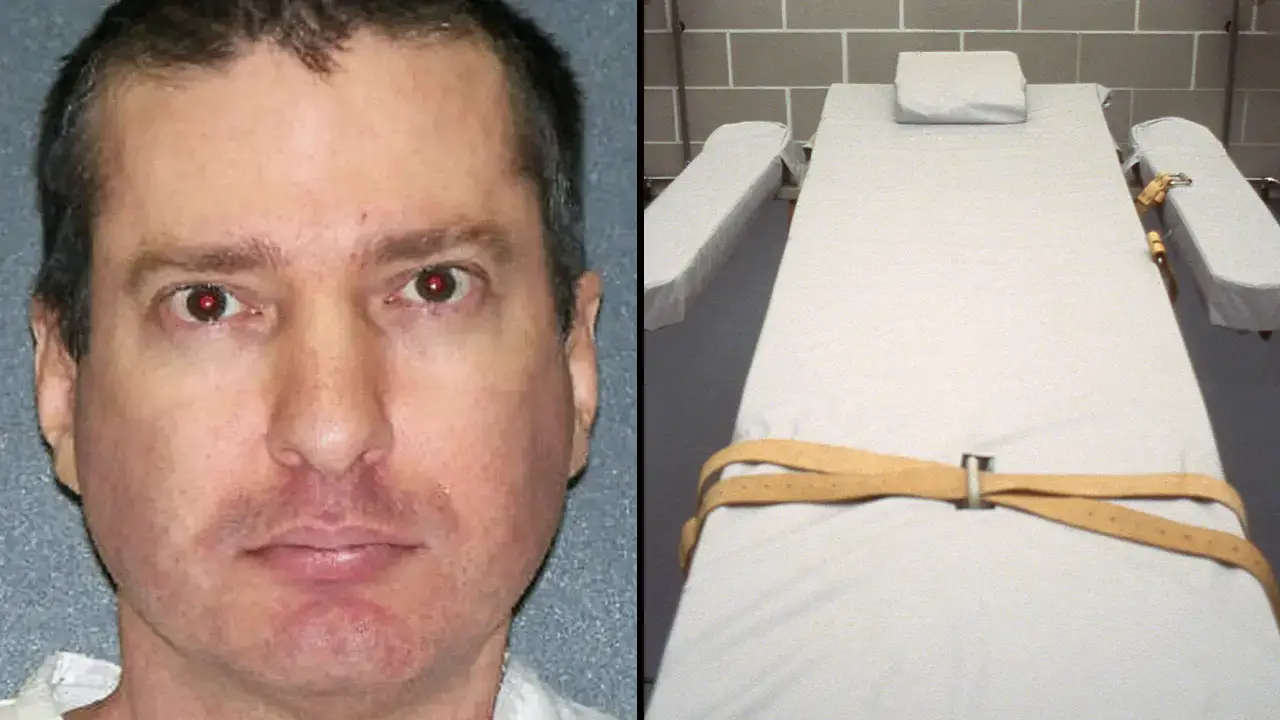
Man Made Death Row Meal Request So Controversial That No One In Texas Gets One Anymore
Texas no longer lets death row inmates choose a special last meal, and the change traces back to one prisoner’s highly controversial request.
In many US states, people facing execution are offered a “last meal,” but the practice isn’t guaranteed by law and differs widely. Some places set price caps or limit menu items, while others have ended the tradition altogether. Still, last meals have long drawn public attention for their symbolism and sometimes extravagant orders.
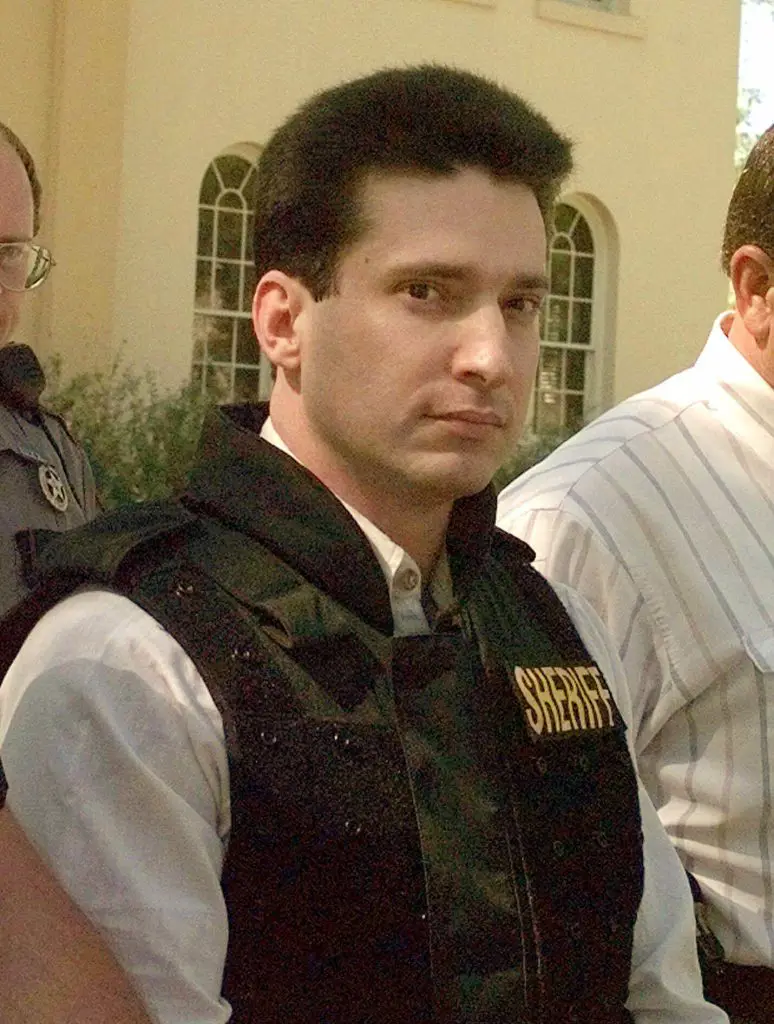
In Texas, the turning point was Lawrence Russell Brewer, a white supremacist convicted in the 1998 murder of James Byrd Jr. Brewer and others beat Byrd, abused him, and dragged him for three miles behind a pick-up truck. The killing shocked the nation and later helped fuel tougher hate-crime legislation, including the James Byrd Jr. Hate Crimes Act passed in 2009.
Before Brewer’s execution in 2011, he submitted an unusually large last-meal order. Reports said it included multiple dishes—ranging from chicken steaks and fried okra to a bacon cheeseburger, fajitas, barbecue, ice cream, and desserts—along with root beers. Prison staff reportedly provided the meal, but Brewer refused to eat any of it, saying he wasn’t hungry.
After that, Texas senator John Whitmire pushed to end the state’s long-running last-meal tradition, calling it an inappropriate privilege. Since then, inmates on Texas death row no longer receive a special, made-to-order final meal.