Methylene blue’s been touted as a miracle cure for cancer and as protection from radiation on flights. Now doctors reveal the fascinating truth about the dye – and who MUSTN’T take it
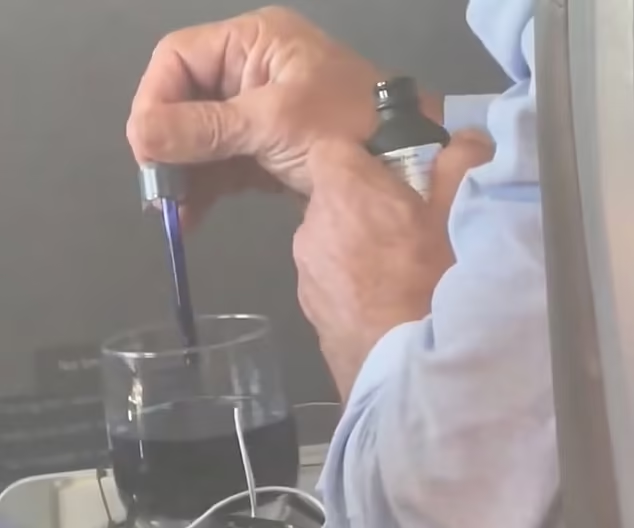
A recent viral video showing Robert F. Kennedy Jr. adding a blue liquid to his water has pushed methylene blue, a century-old medical dye, back into public debate. Influencers have promoted the substance as everything from a cancer cure to protection from radiation during air travel. Some celebrities have also claimed remarkable health benefits. But doctors say the truth is far more complex.

Methylene blue was first developed in the late 1800s and used to treat malaria. It later became a general antiseptic and was even given to soldiers during wartime. Today, its primary approved medical use is treating a rare but serious blood disorder called methemoglobinemia, in which the body cannot carry enough oxygen. In these cases, the drug can be lifesaving.
Researchers are exploring whether methylene blue may also help with conditions such as depression, bipolar disorder, recurring urinary tract infections, or even dementia. Some small studies show early promise, but experts stress these trials involved very few participants. At this stage, there is not enough evidence to claim that methylene blue slows aging, prevents cancer, or protects brain function.
Doctors also warn that the dye is not safe for everyone. Some people—particularly those of Asian, African, or Mediterranean descent—lack an enzyme called G6PD, which helps break down certain chemicals in the body. Without this enzyme, methylene blue can dangerously increase serotonin levels, especially when taken with antidepressants. This can lead to serotonin syndrome, a potentially life-threatening reaction marked by confusion, agitation, muscle jerking, rapid heartbeat, or seizures.
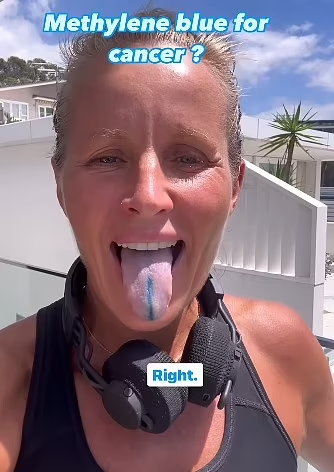
Experts emphasize that methylene blue should only be taken under medical supervision. While research continues, the risks of self-treating with the dye outweigh the unproven benefits.