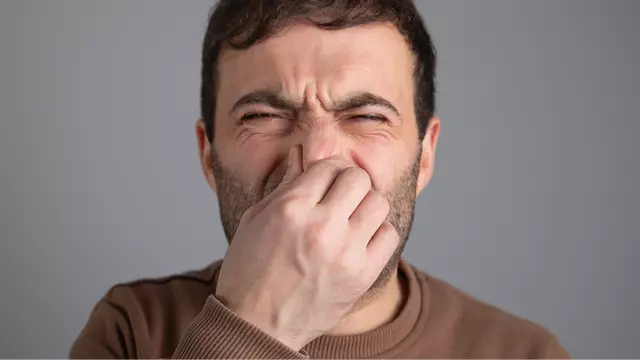
New study explains why ‘sniffing your own farts’ could improve brain power and decrease chances of Alzheimer’s
Let’s be honest. The internet loves a gross health hack. This one starts with a punchline and ends with real science.
Researchers at Johns Hopkins looked at hydrogen sulfide. That is the gas linked to the classic “rotten egg” smell. Your body also makes tiny amounts of it on purpose. Scientists think it helps cells communicate and manage stress.

So the team tested a slow-release compound in lab mice engineered to show Alzheimer’s-like changes. First, they gave the mice the compound. Next, they waited about 12 weeks. Then they checked memory and movement. The treated mice performed better than untreated mice. The researchers suggested the gas may protect brain cells and reduce some signs tied to cognitive decline.
However, this does not mean anyone should start inhaling flatulence as “prevention.” The study used a controlled dose and a medical compound. It also focused on mice, not people. Still, the takeaway matters. Hydrogen sulfide pathways could help researchers design future therapies that support brain health as we age.

In other words, the headline feels silly. Yet the research points to something serious: new targets for Alzheimer’s treatment may hide in unexpected places.