As global health agencies warn of a potential rise in HIV cases—an estimated 3.3 million more by 2030—people living with the condition are speaking out about the earliest signs they noticed. The UN reports nearly 40 million individuals were living with HIV at the end of 2023, while the World Health Organization says the fight against the virus has reached “a crossroads,” with progress threatened by disrupted care and rising vulnerabilities. Even so, experts emphasize that education, treatment advances, and community support continue to offer real hope.
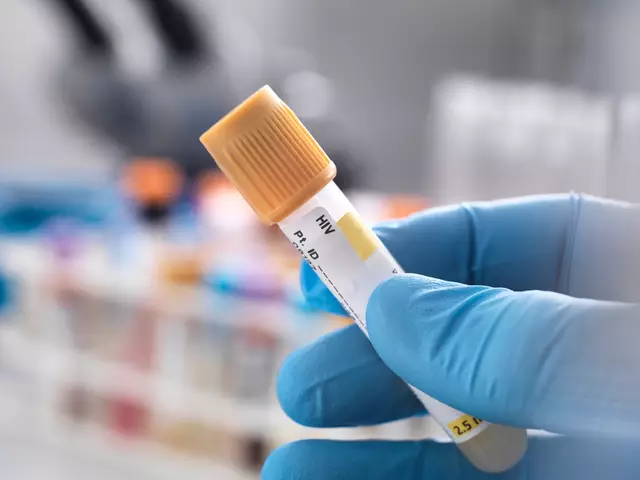
Ahead of these warnings, several individuals shared their personal experiences online. One person recalled having no hint of illness until a sudden wave of extreme fatigue hit after a full night’s sleep. That unexpected exhaustion led to medical tests—and ultimately to their diagnosis. Despite the shock, they stressed that life after a late diagnosis is far from hopeless.
Another explained that about a week after a high-risk encounter, they developed flu-like symptoms and mild rashes. Sensing something was wrong, they used a free self-testing kit. A faint positive result left them devastated, but starting antiretroviral therapy helped restore their outlook. These medications don’t cure HIV, but they prevent the virus from multiplying, protect the immune system, and can reduce the viral load to undetectable levels—meaning it cannot be passed on.
Anyone needing confidential support or guidance about HIV or AIDS can find state hotline information through dedicated public health resources.