Photographer Explains Why He Didn’t Save Trapped Girl Who Died ‘Worst Death Imaginable’
One photograph from a distant tragedy still stirs deep emotion decades later. It shows a young girl trapped in muddy water after Colombia’s Nevado del Ruiz volcano erupted in 1985. Many have since asked the same painful question. Why didn’t the photographer save her?
The disaster struck without warning. Although experts had urged evacuations, officials delayed action. When the volcano erupted, melting ice unleashed deadly mudflows. They swallowed the town of Armero within hours. Tens of thousands died.
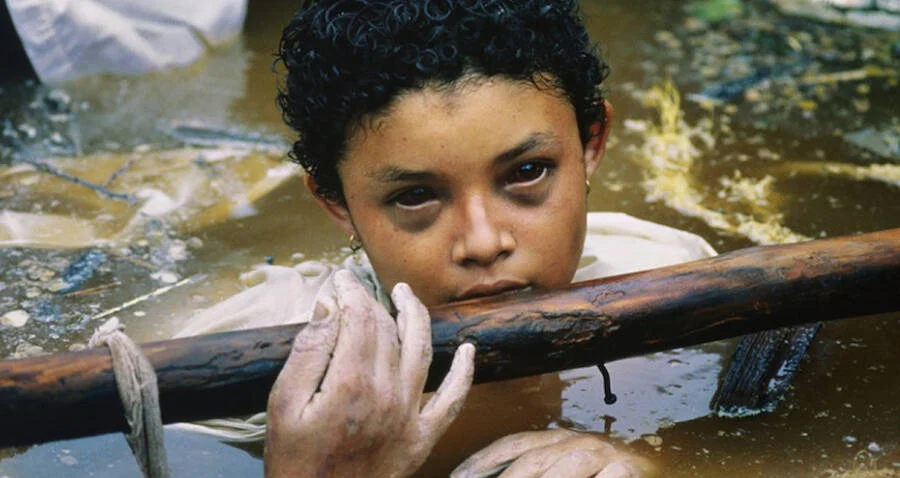
Thirteen-year-old Omayra Sánchez Garzón survived the initial impact. However, debris pinned her body beneath water and rubble. Volunteers and rescue workers reached her. They tried everything. Still, they lacked equipment. They could not lower the water. They could not free her legs. Even drastic options proved impossible.
French photojournalist Frank Fournier stayed with Omayra during her final hours. He spoke to her. He comforted her. He documented what unfolded. His image later traveled the world and became the symbol of the disaster.
Critics accused him of choosing the camera over compassion. Fournier later explained his choice. He said rescuers had already done all they could. He said he felt powerless. Therefore, he believed telling her story mattered most.
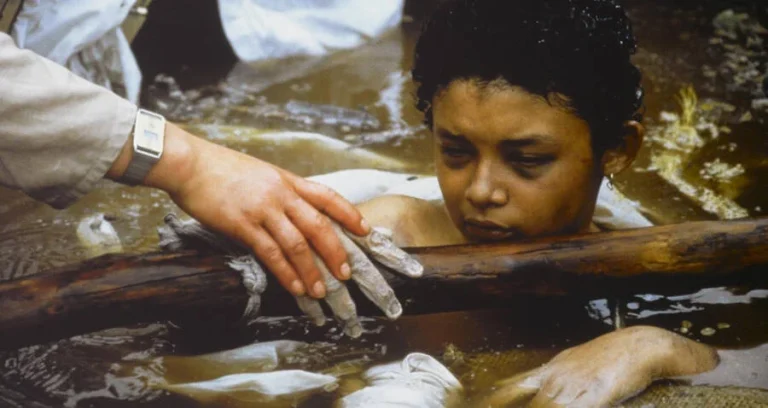
Omayra died after nearly 60 hours trapped. Her courage moved millions. Her image sparked global outrage and forced conversations about government failure and disaster response.
Sometimes, bearing witness becomes the only act left.