
Plus-Sized Woman Says She Can’t Go To The Bathroom On Planes Because The Aisles Are Too Narrow
Air travel can be uncomfortable for many people, but for some passengers it creates barriers that go beyond comfort. A plus-sized traveler recently described a problem she says affects her ability to meet a basic need while flying.
She explained that on some planes the aisles are so narrow she has to turn sideways just to move between rows. Even when she reaches the restroom, she said a standard airplane lavatory can be too small for her to use. For her, this is more limiting than seat size, because it can make longer trips feel unsafe.
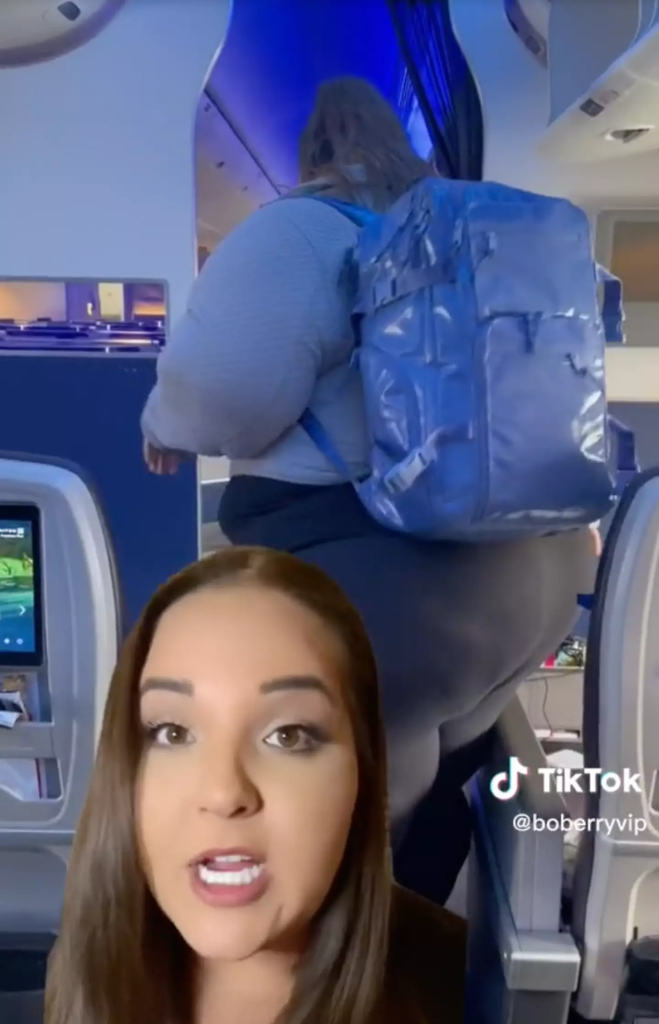
She noted that larger aircraft may have wheelchair-accessible bathrooms that offer more space, while smaller “narrow-body” planes often do not. Because of that difference, she said she sometimes avoids flights beyond a certain length, since she may not be able to use the restroom at all. She also described one trip where delays and a longer route left her close to an accident.
Her account drew mixed reactions. Some people argued that airlines are simply maximizing seating and that travelers should choose larger planes or pay for more space. Others said cabins have become so tight that even average-sized passengers feel squeezed, and they supported calls for better accessibility for all bodies and mobility needs.
The larger point is that design choices can turn everyday travel into a source of stress and risk, especially when restrooms and walkways are difficult to use.
What changes, if any, do you think airlines should make to balance profit, comfort, and basic accessibility?