Royals That Can And Can’t Be Arrested After Andrew Is
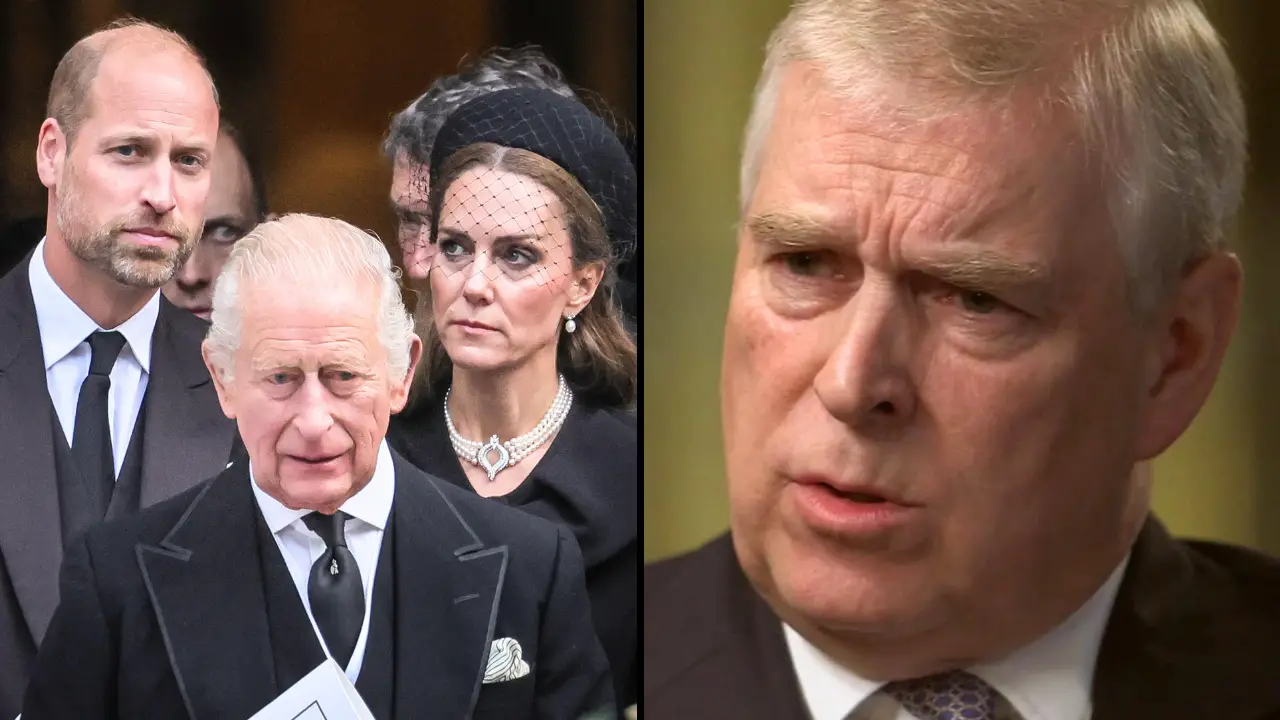
The arrest of Andrew Mountbatten-Windsor has led many to ask whether members of the British royal family can be arrested.
Andrew was taken into custody on February 19 and later released. No charges have been announced, and an arrest does not imply guilt. Reports indicate he was processed under standard police procedures and treated like any other detainee.
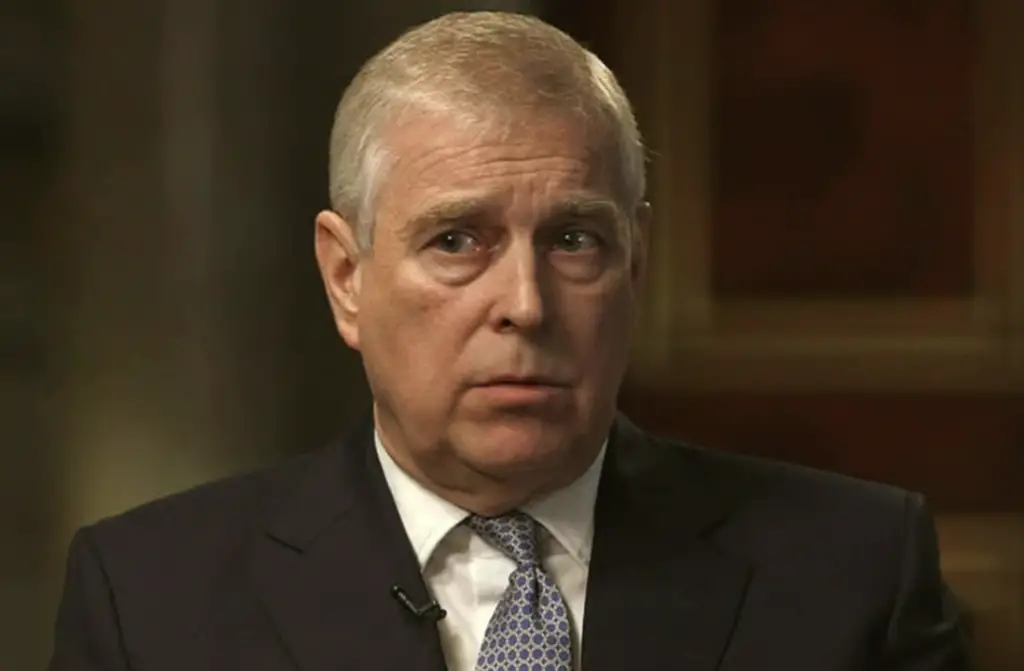
His arrest has renewed interest in the legal position of the royal family. In general, senior royals can be arrested and prosecuted if they are suspected of a crime. They are subject to the same criminal laws as other citizens.
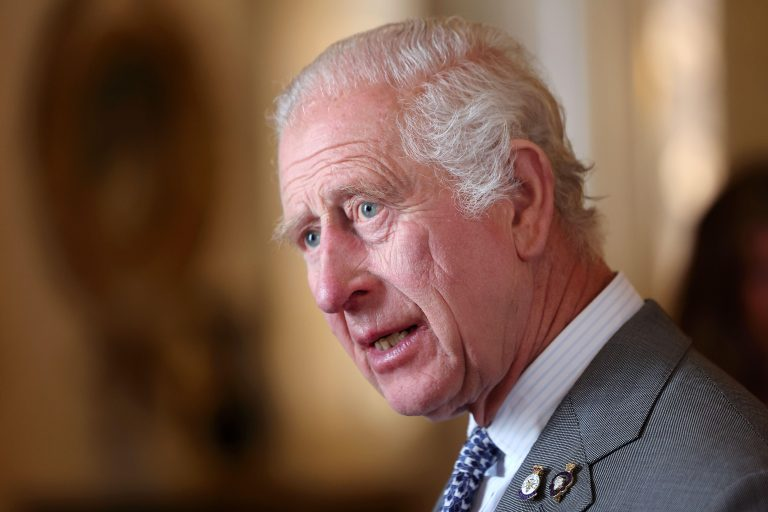
However, the reigning monarch has special protection under the principle of sovereign immunity. This means the King or Queen cannot be personally prosecuted or arrested under UK law. Certain royal residences also have legal protections, limiting police access without consent.
King Charles III said that the legal process should proceed fairly and that the law must take its course. He declined to comment further while investigations continue.
In short, apart from the monarch, members of the royal family do not have immunity from arrest. They can face legal action like any other citizen if authorities believe a crime may have been committed.