A growing number of people identify as bisexual, but one scientist believes this still underestimates how common mixed attraction may be.
Dr Jason Hodgson, an anthropologist and evolutionary geneticist at Anglia Ruskin University, argues that human sexuality exists on a broad spectrum. At one end are people attracted only to the opposite sex, and at the other are those attracted only to the same sex. He says most people fall somewhere in between these extremes.

Official figures show a clear rise in people openly identifying as bisexual. However, Dr Hodgson suggests many more people may experience attraction to both sexes at different points in their lives, even if they do not describe themselves as bisexual. He stresses that sexual identity and sexual behaviour are not always the same.
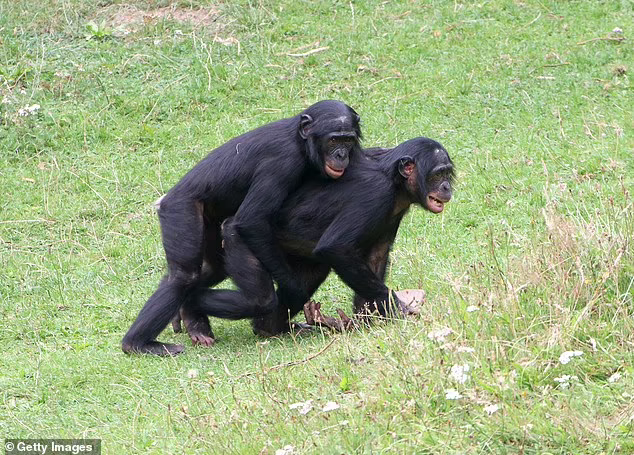
The scientist points to evidence from nature, especially our close primate relatives. Species such as bonobos commonly show both same-sex and opposite-sex interactions, which play an important role in social bonding. He believes this offers insight into human behaviour and suggests mixed attraction may be a natural part of social connection.
Research also shows that sexuality is shaped by many genes, each with a small influence, along with personal experiences. There is no single gene that determines attraction.
Dr Hodgson believes rigid labels do not reflect human complexity. As understanding improves, he says society may increasingly accept sexuality as flexible rather than fixed.